
Our Products
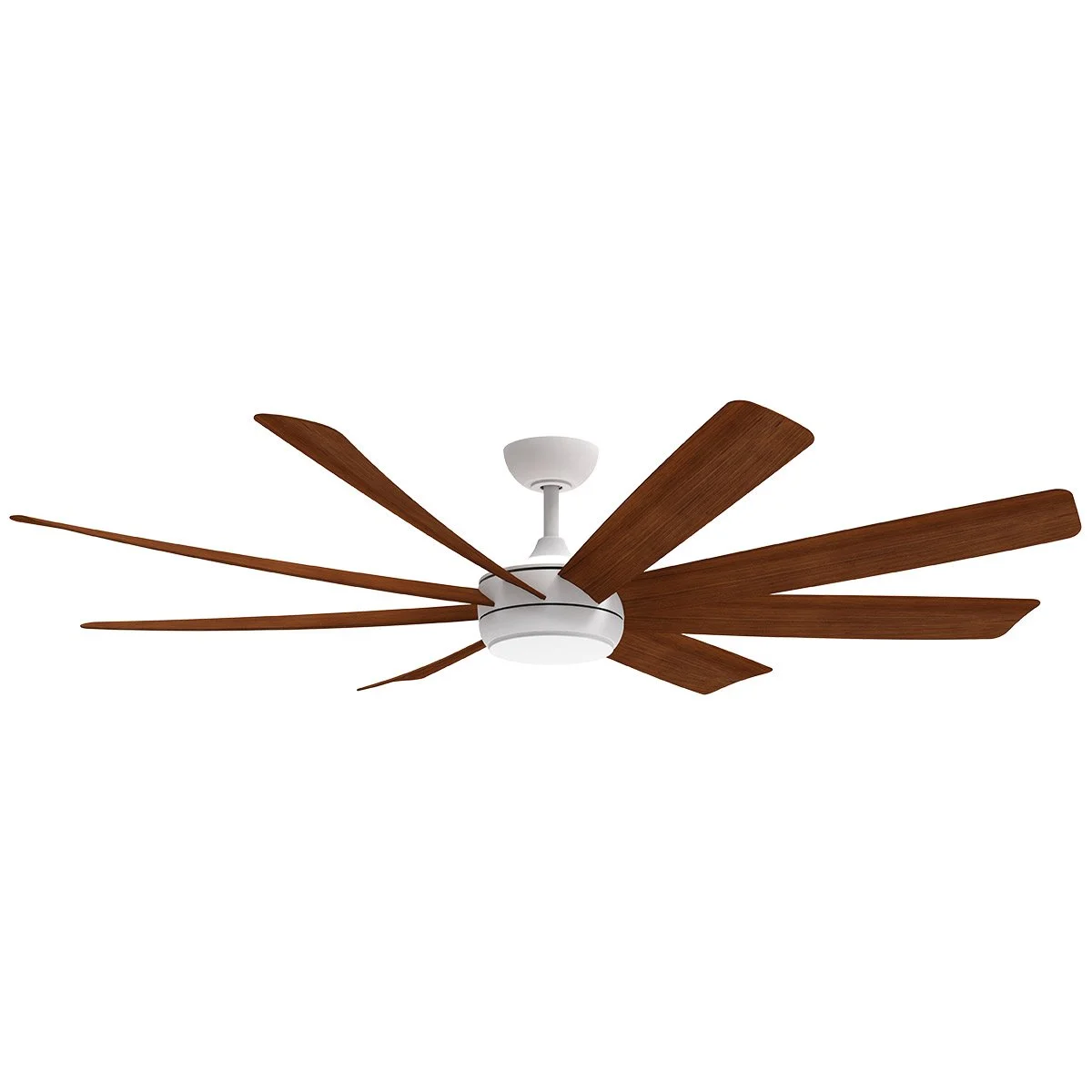
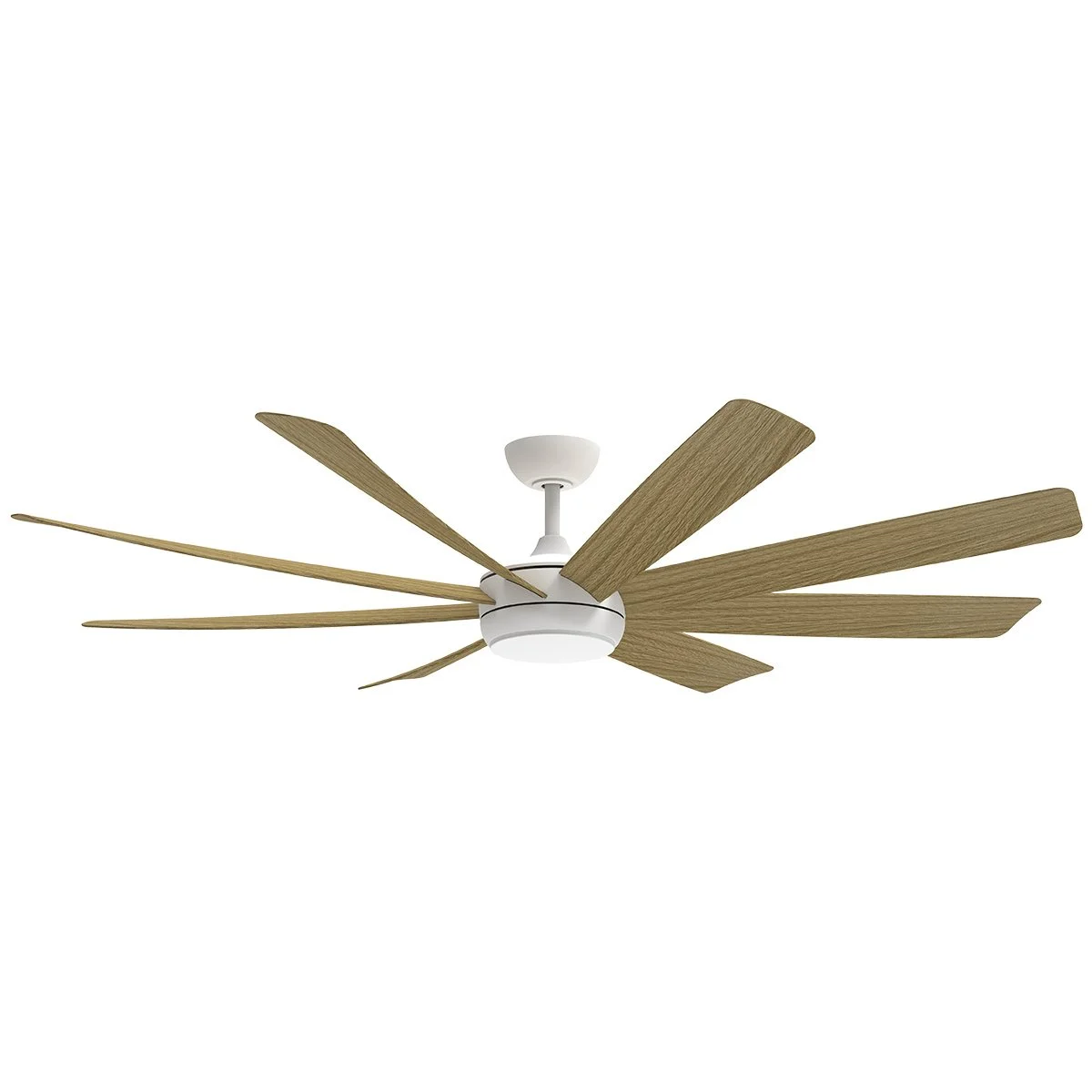
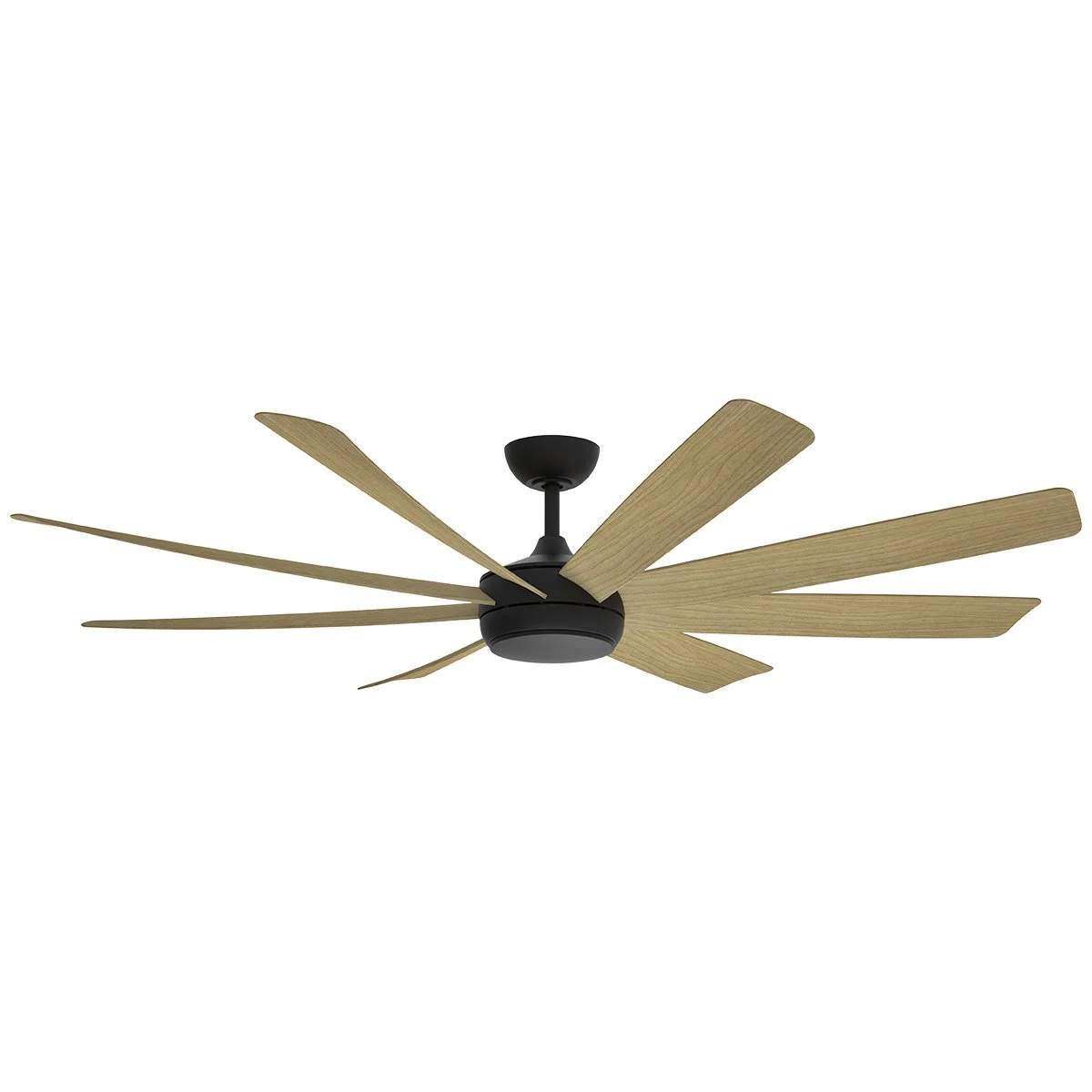
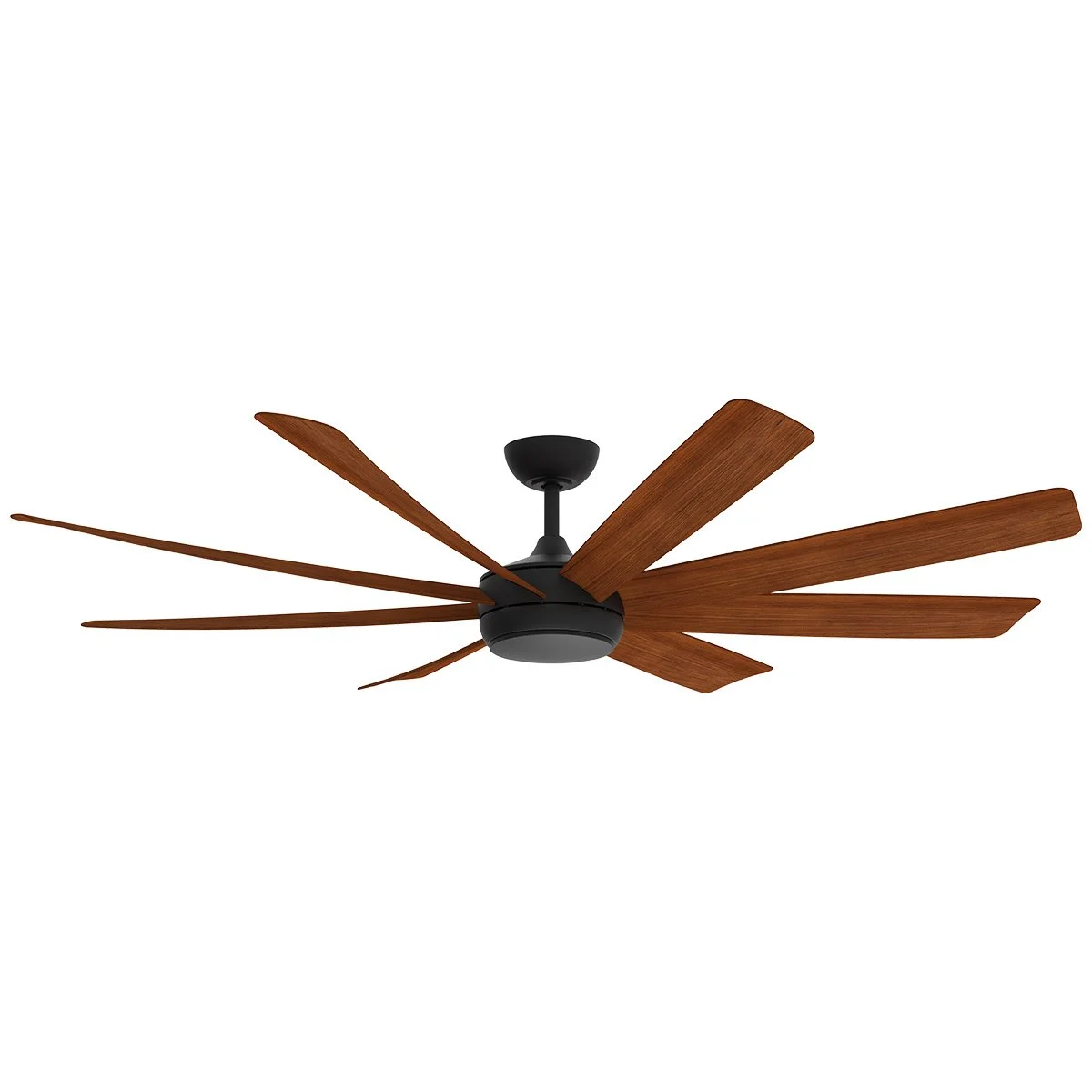

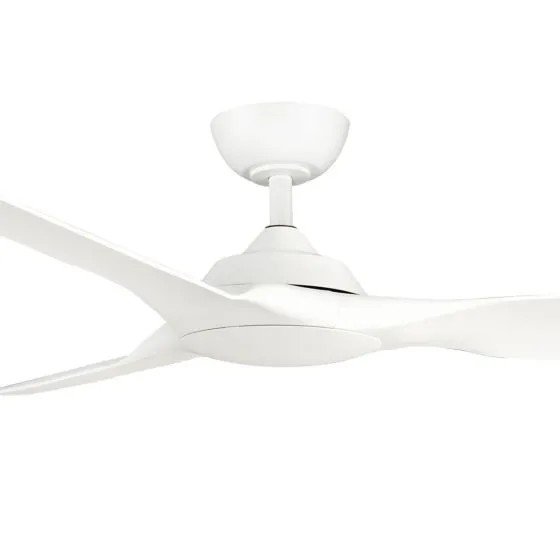

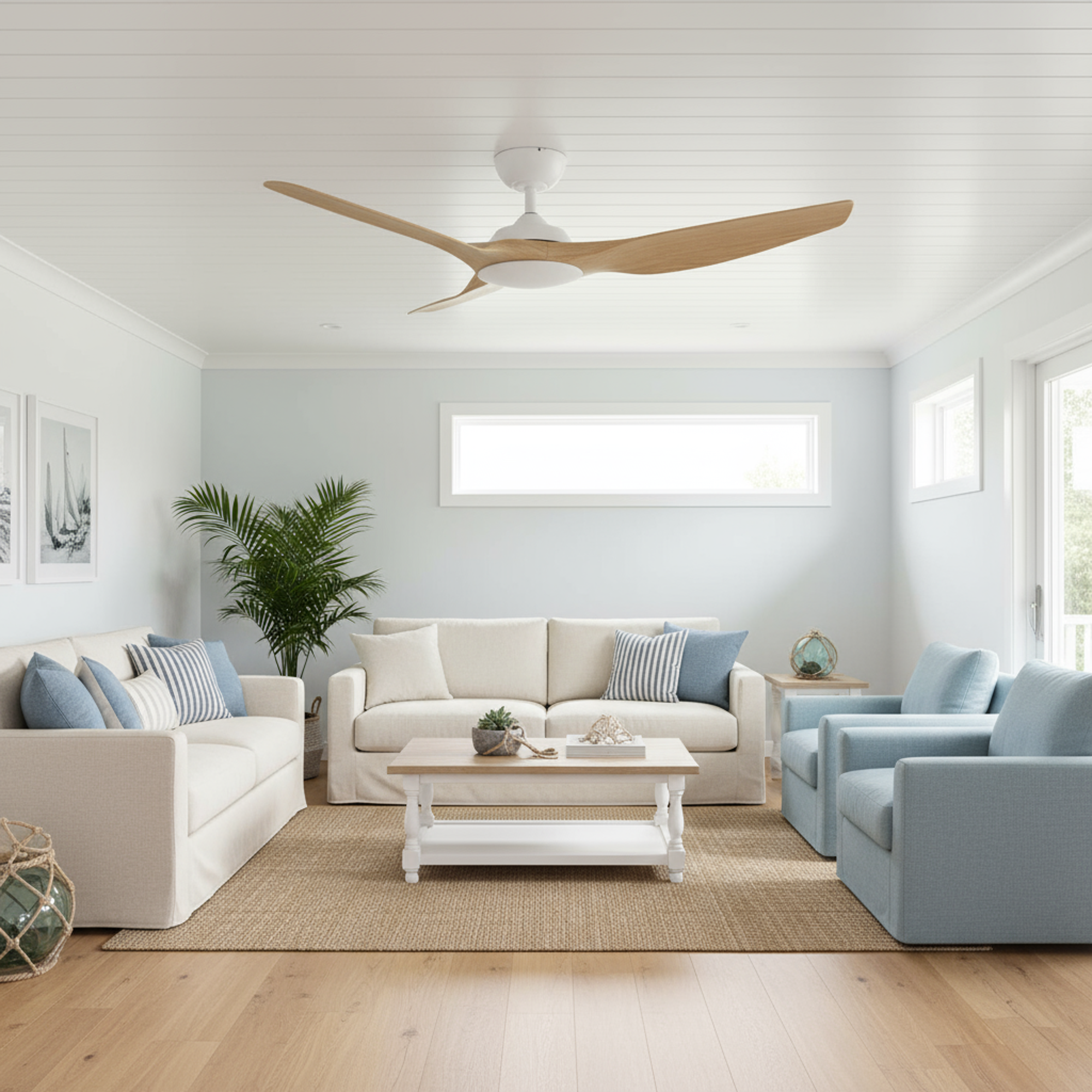


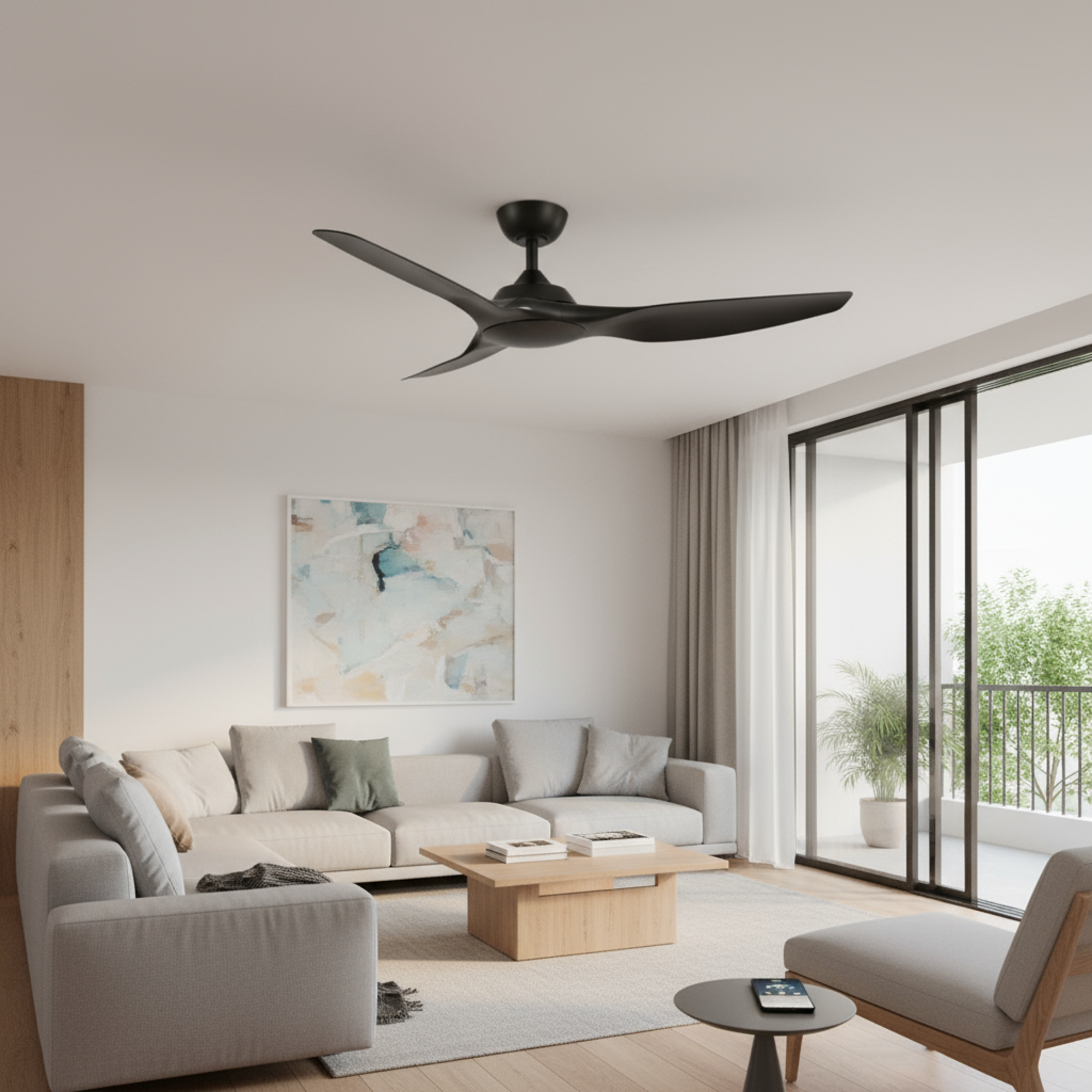

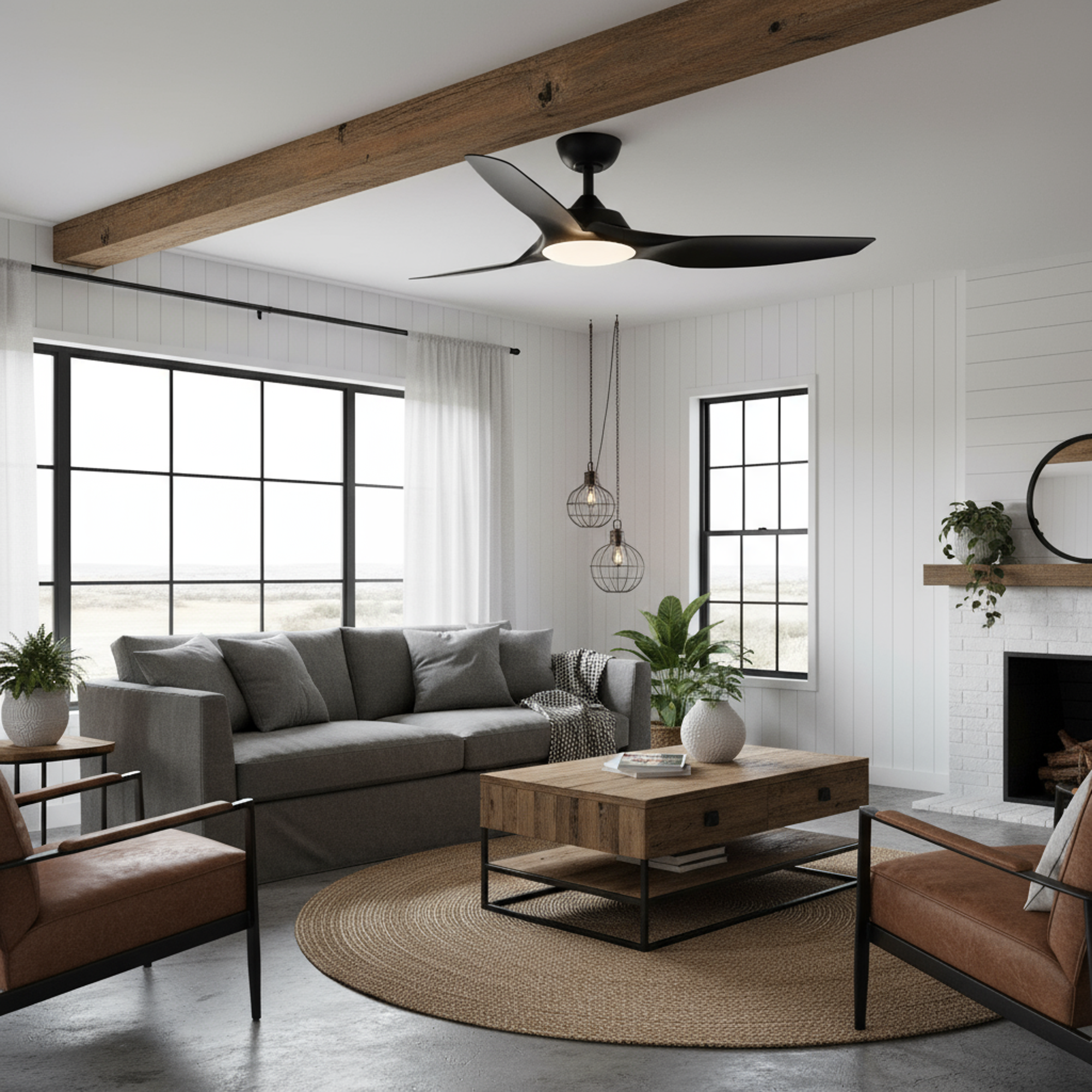



















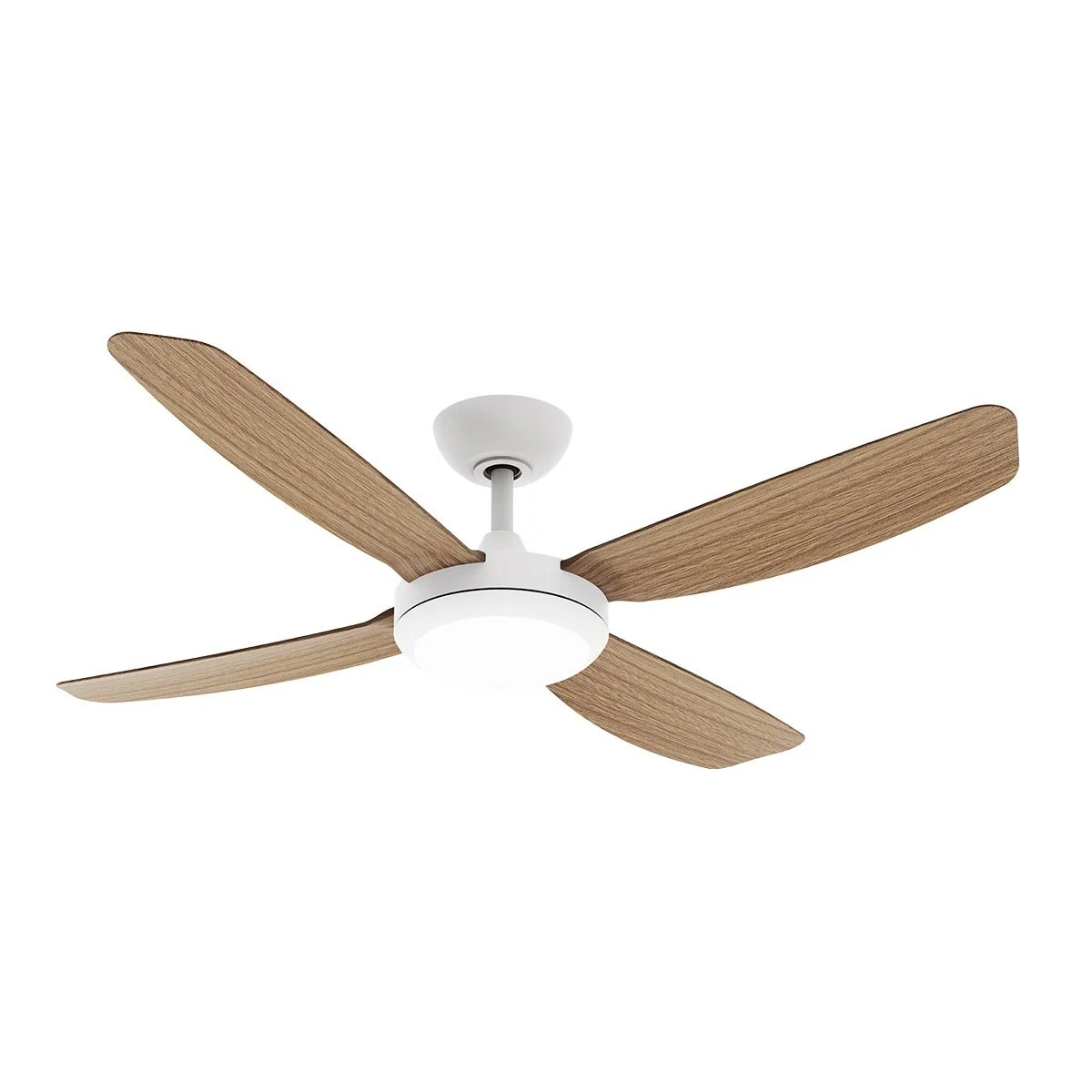
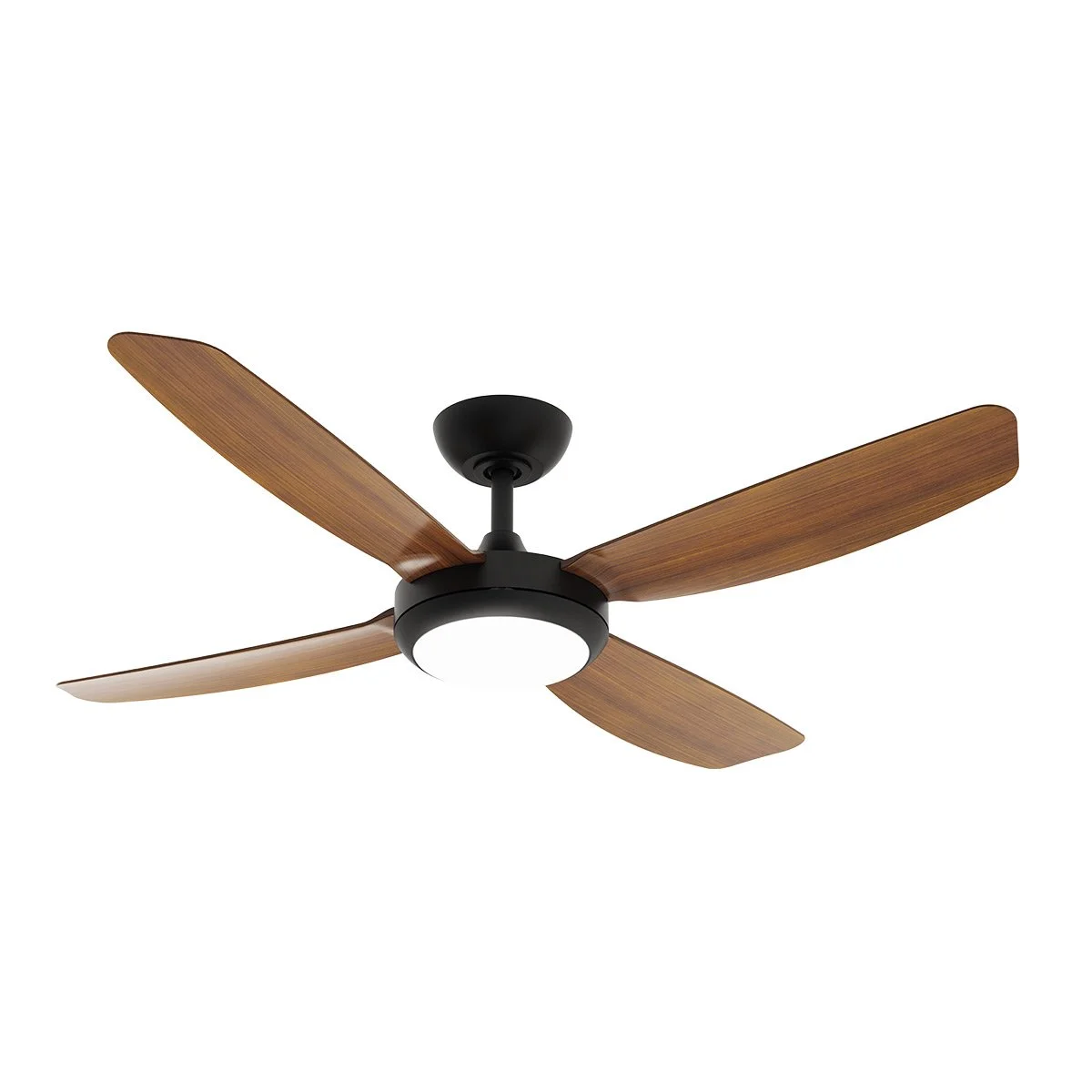
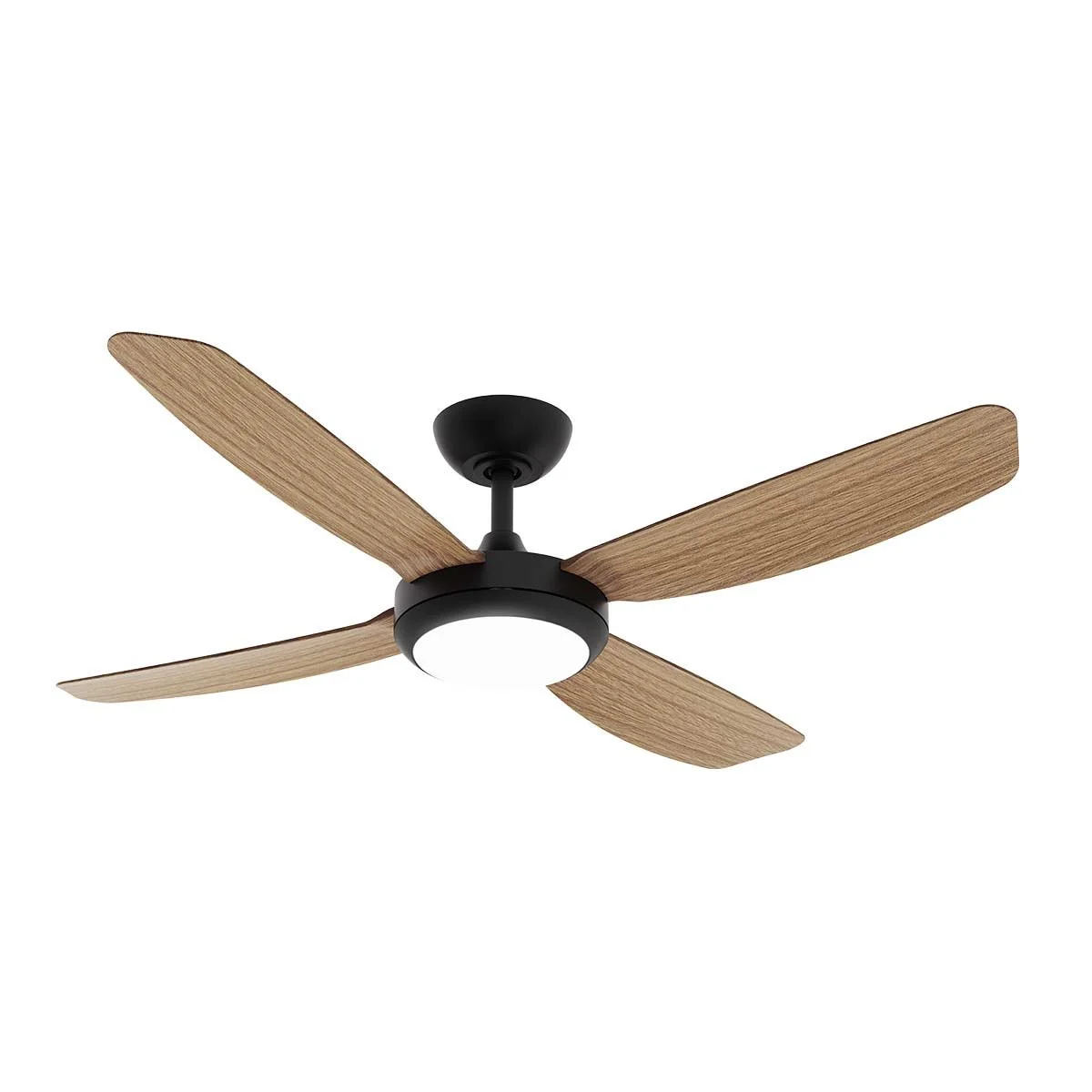
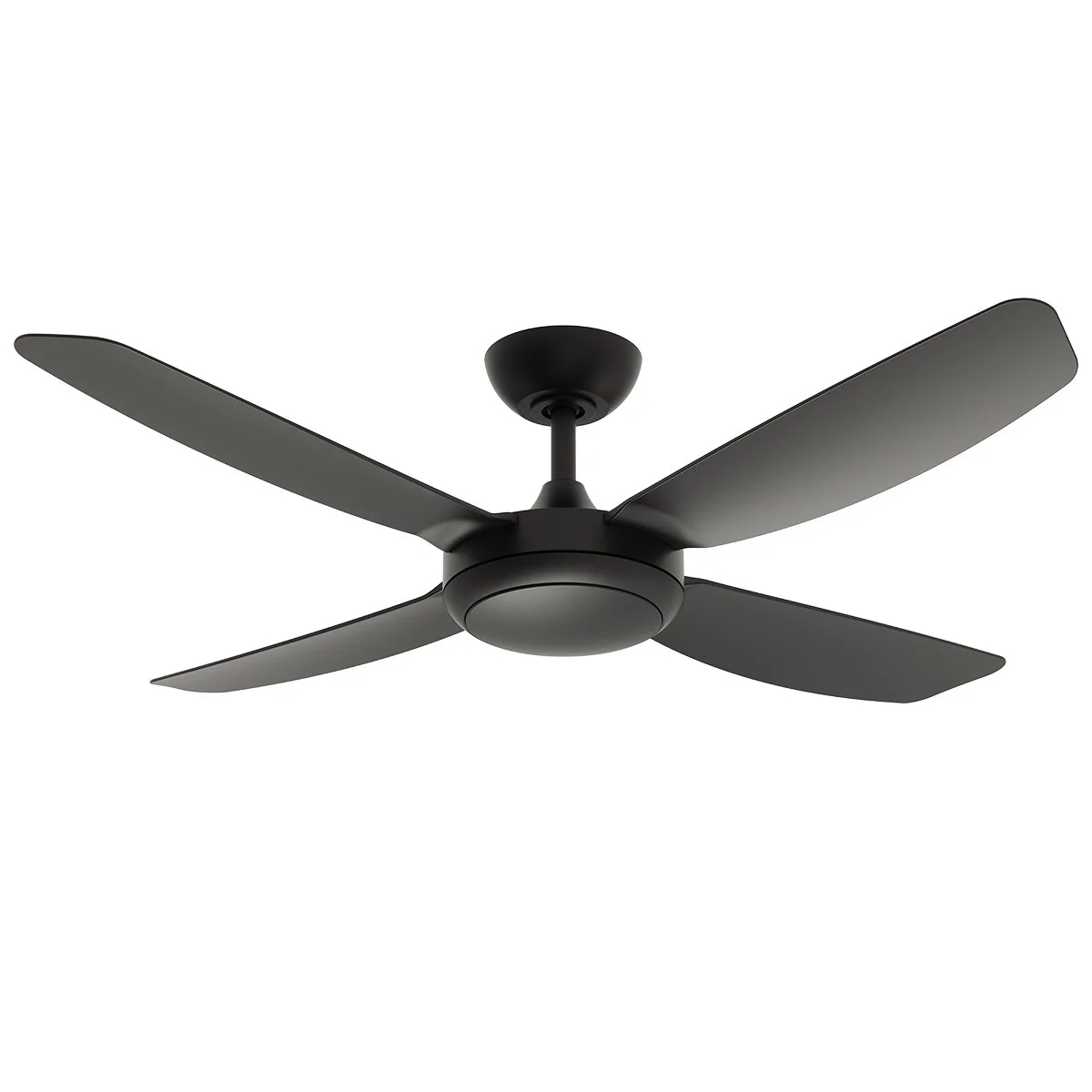



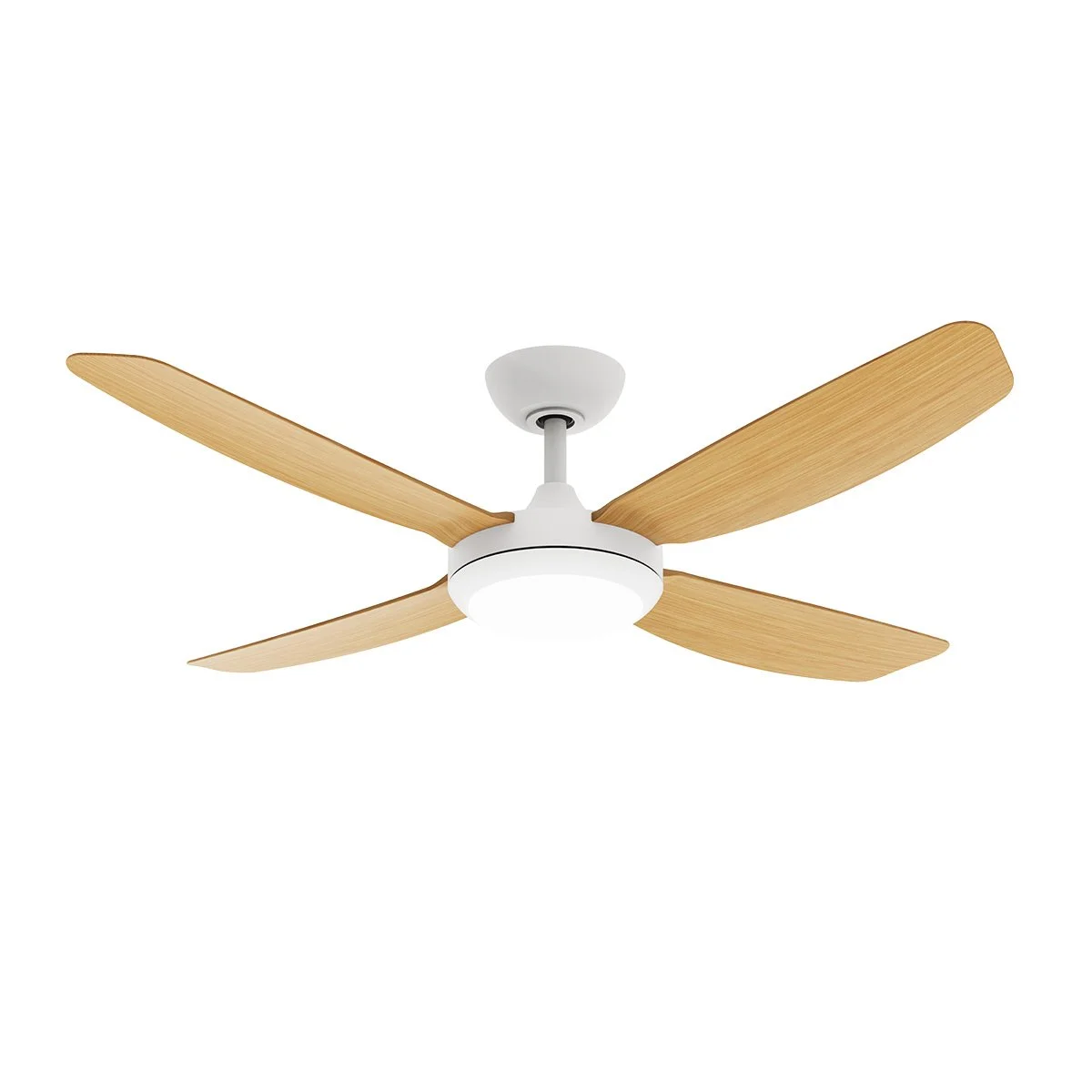
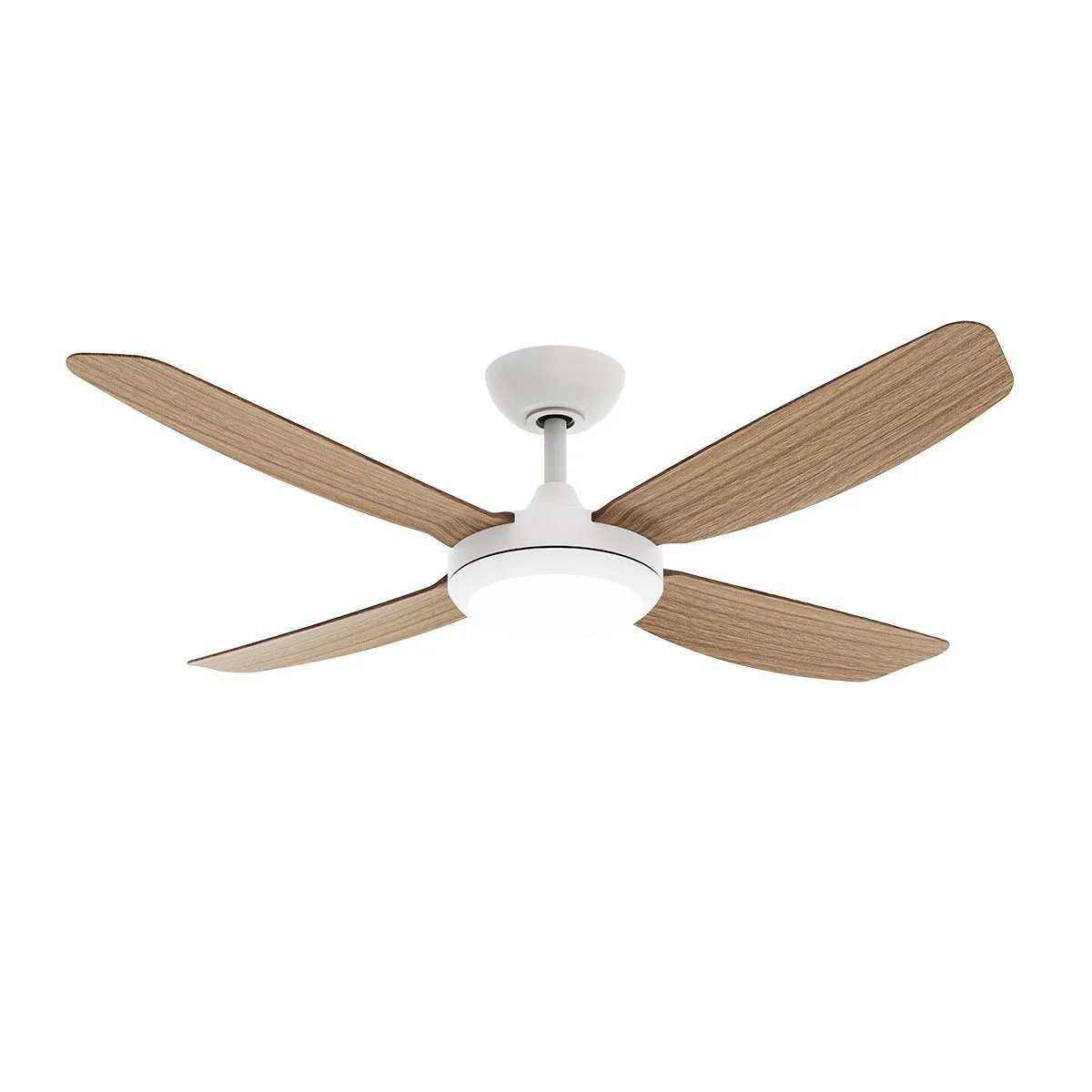
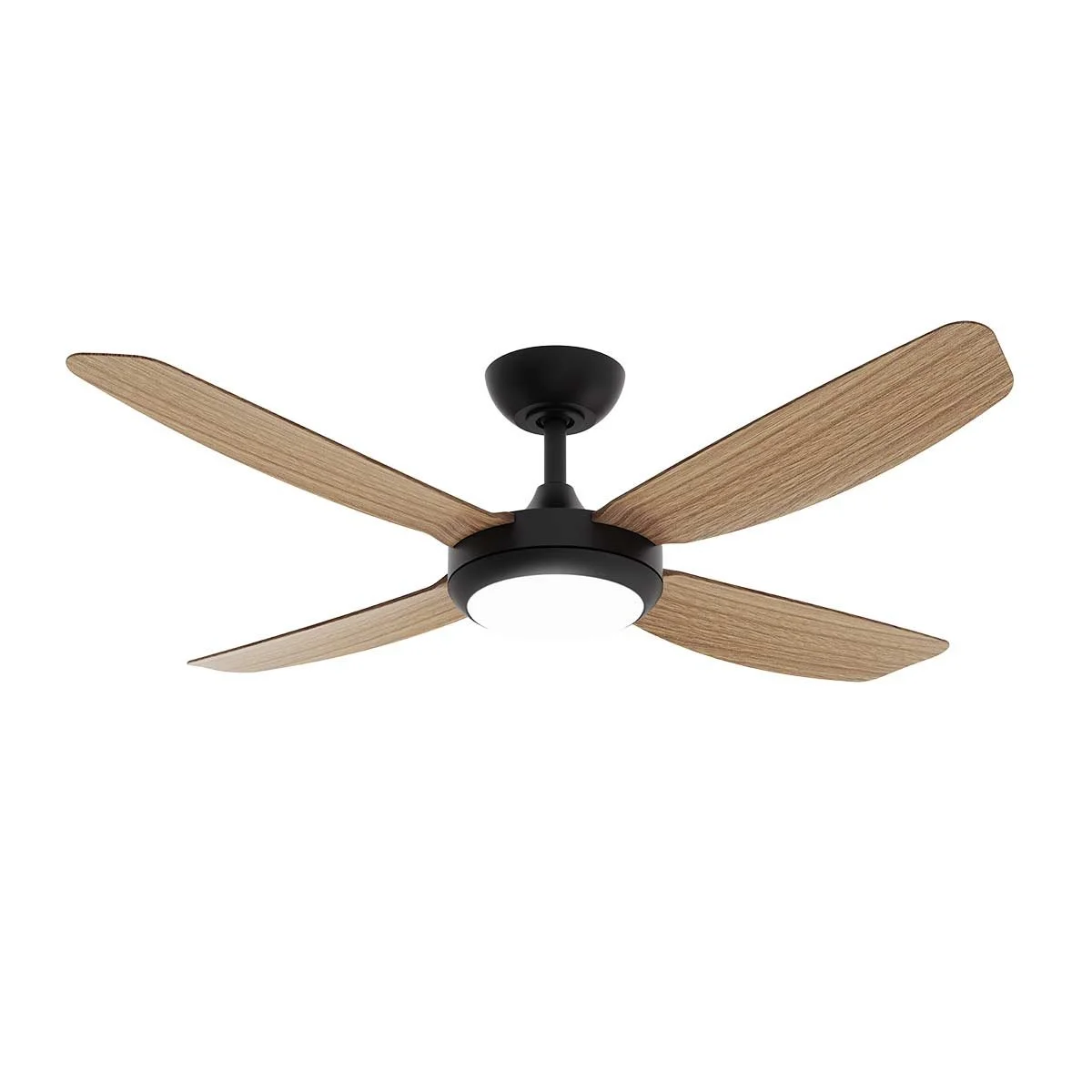
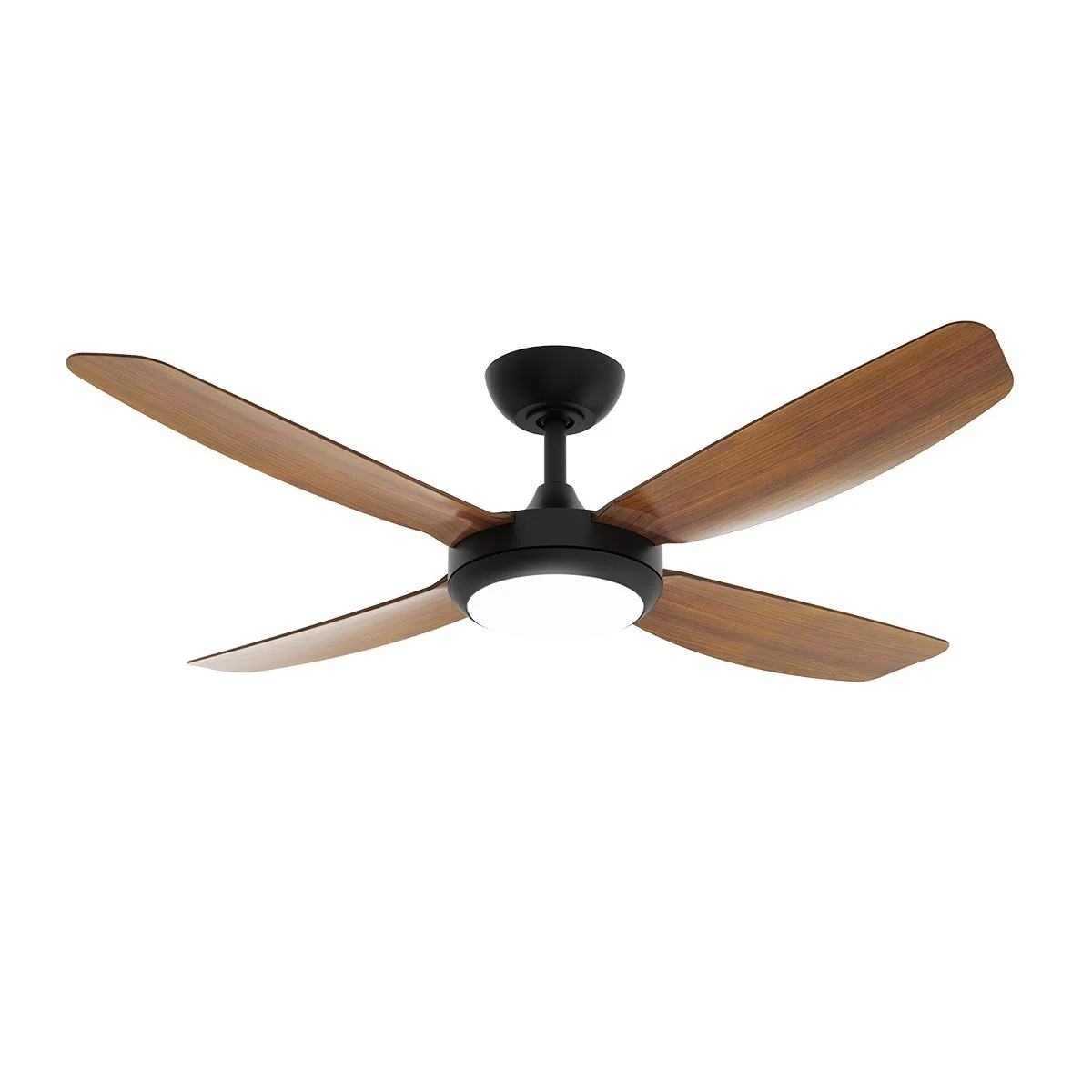











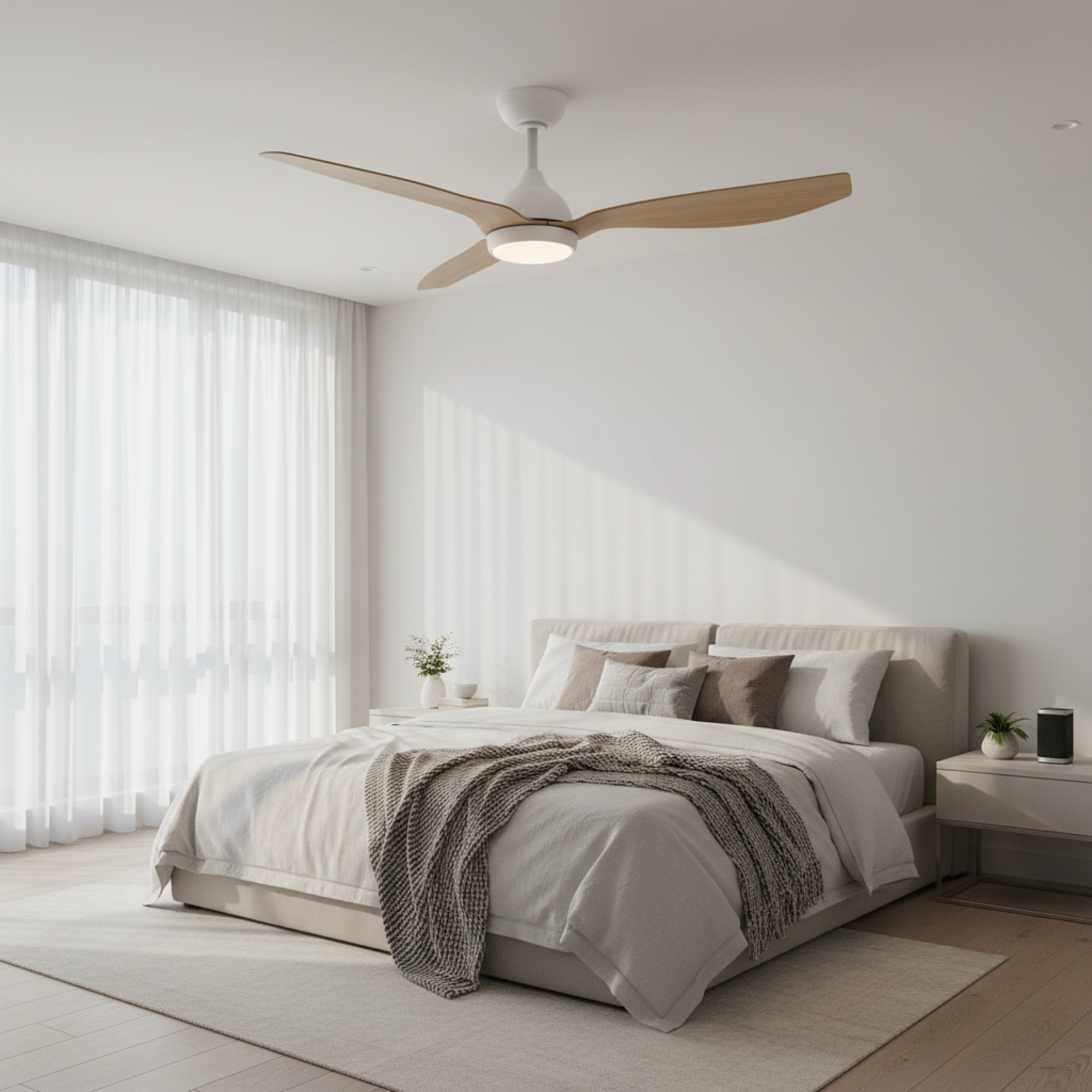

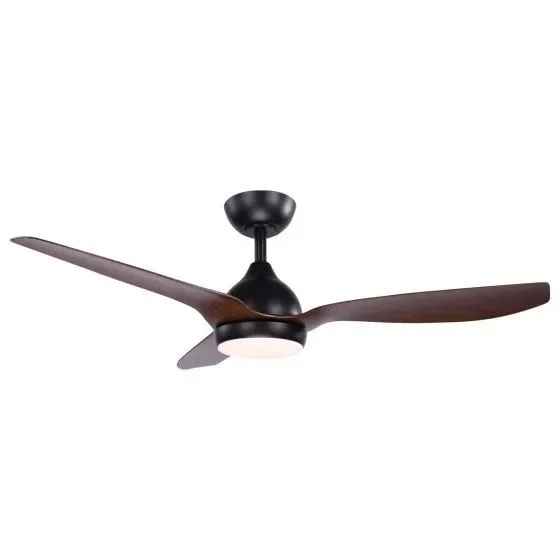
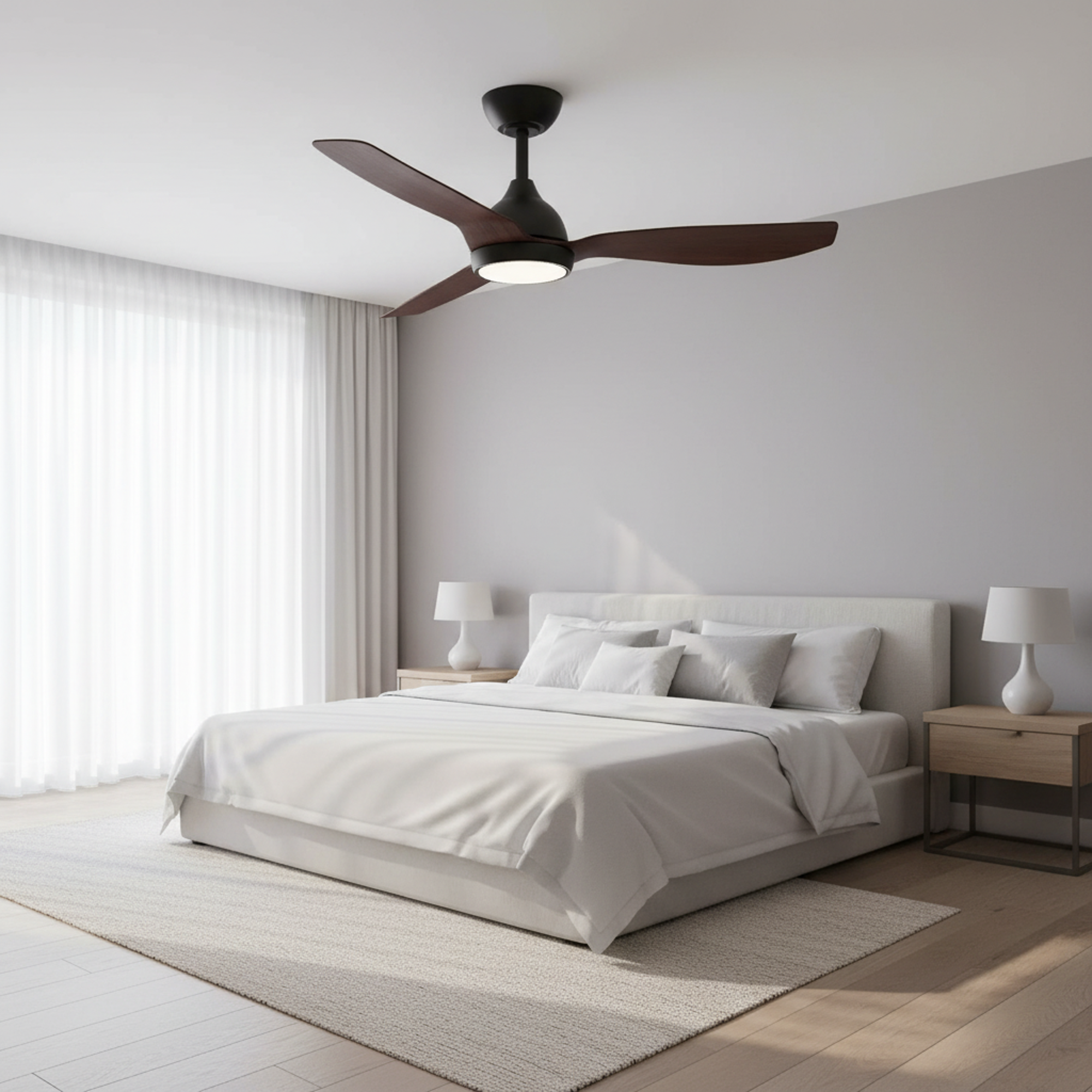
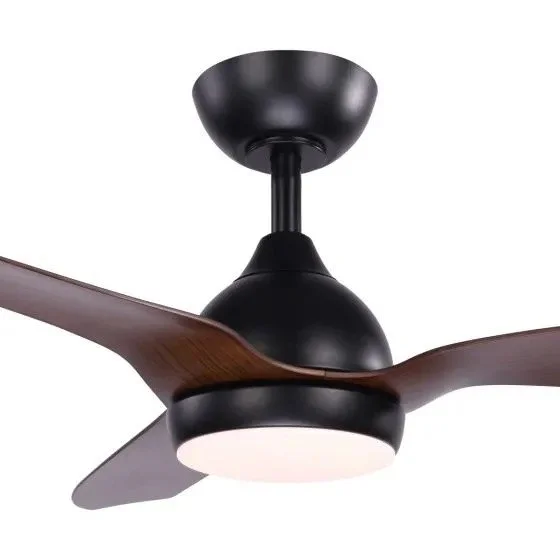
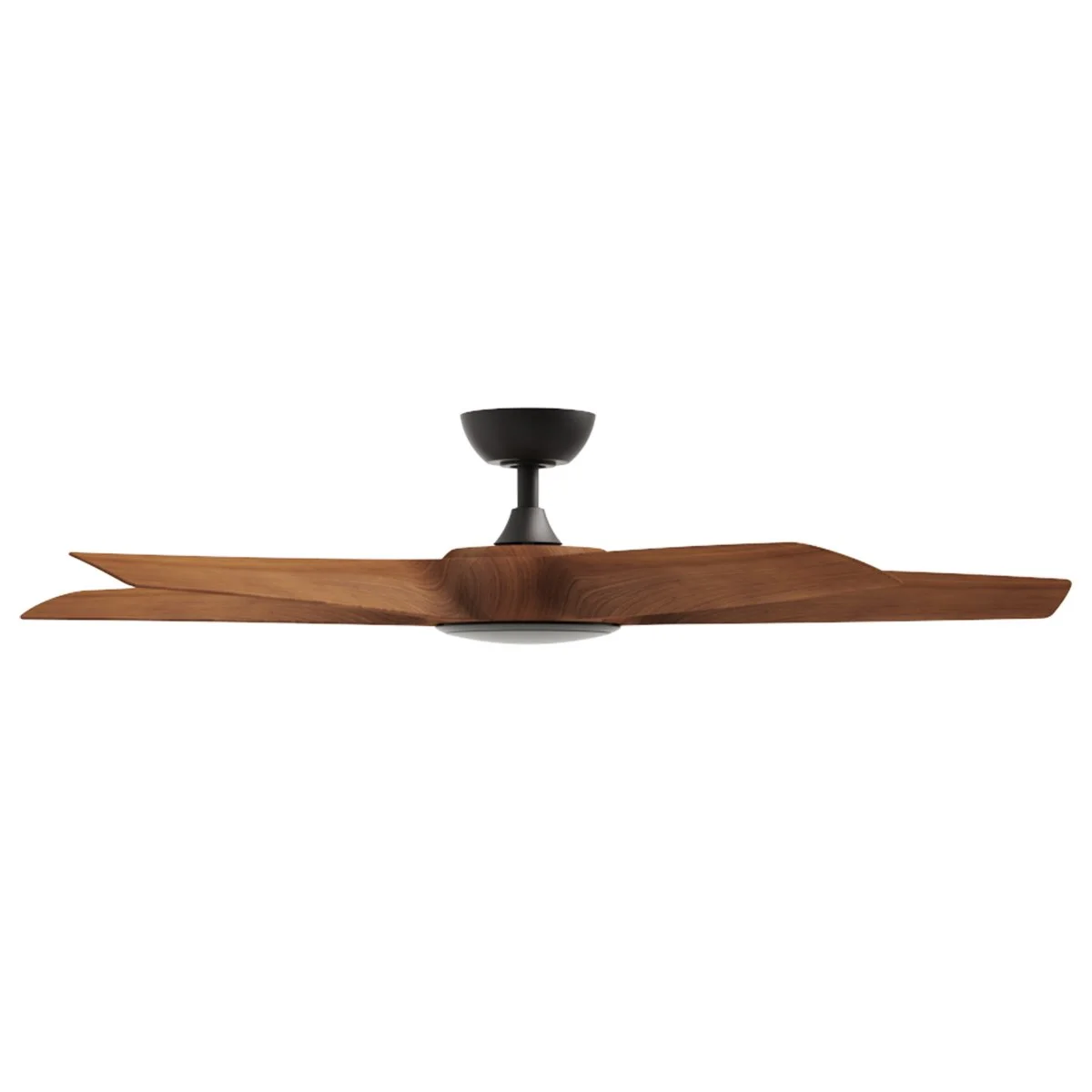
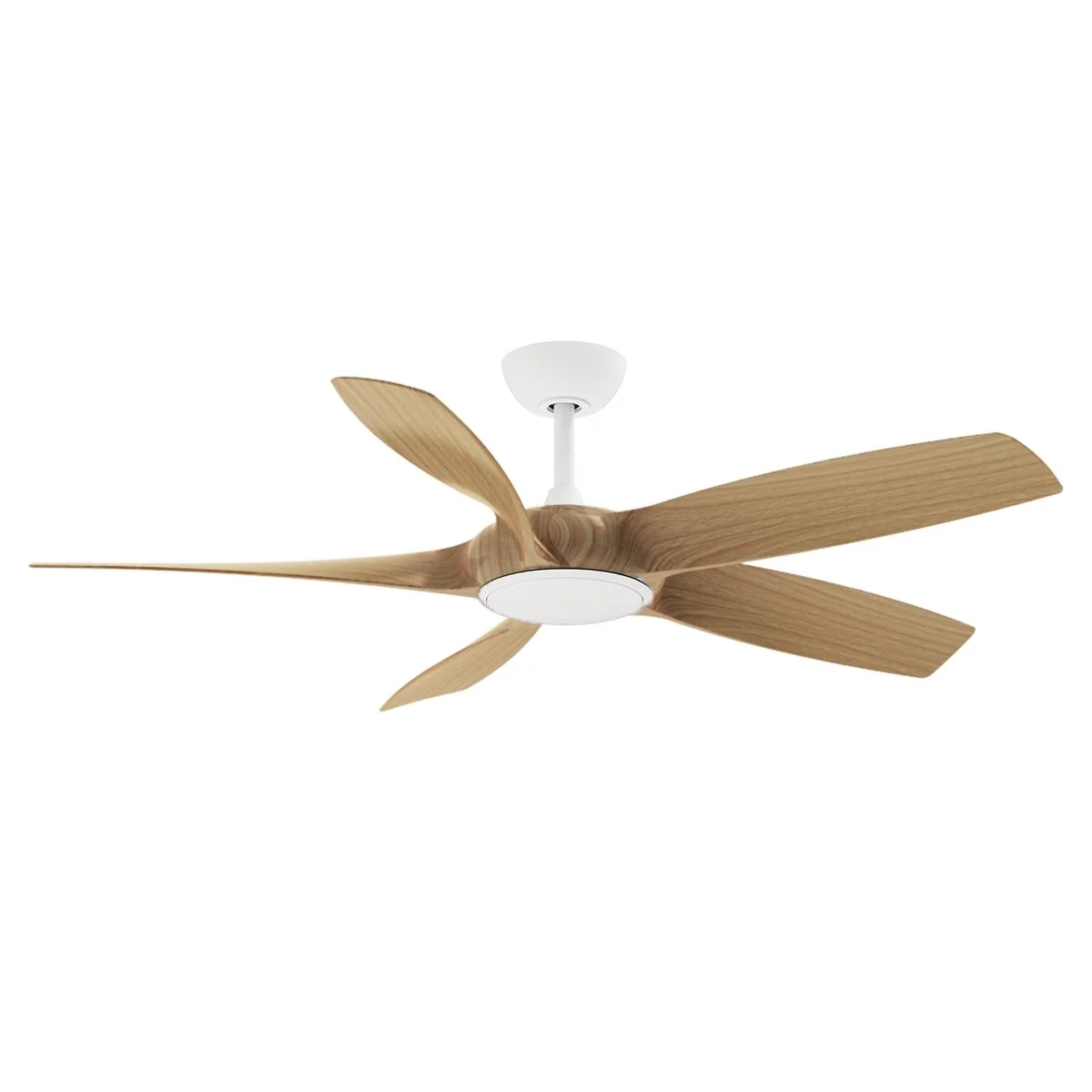
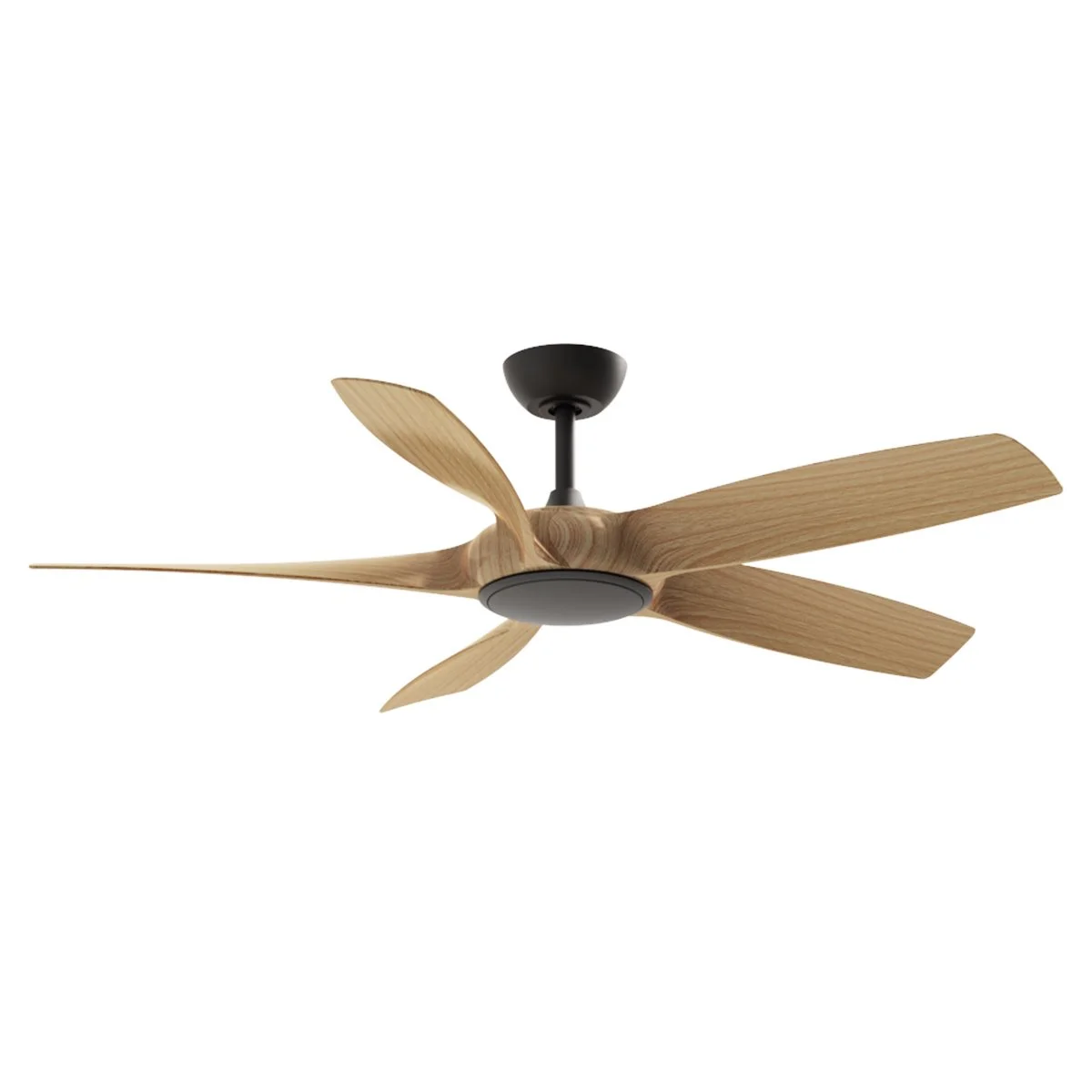
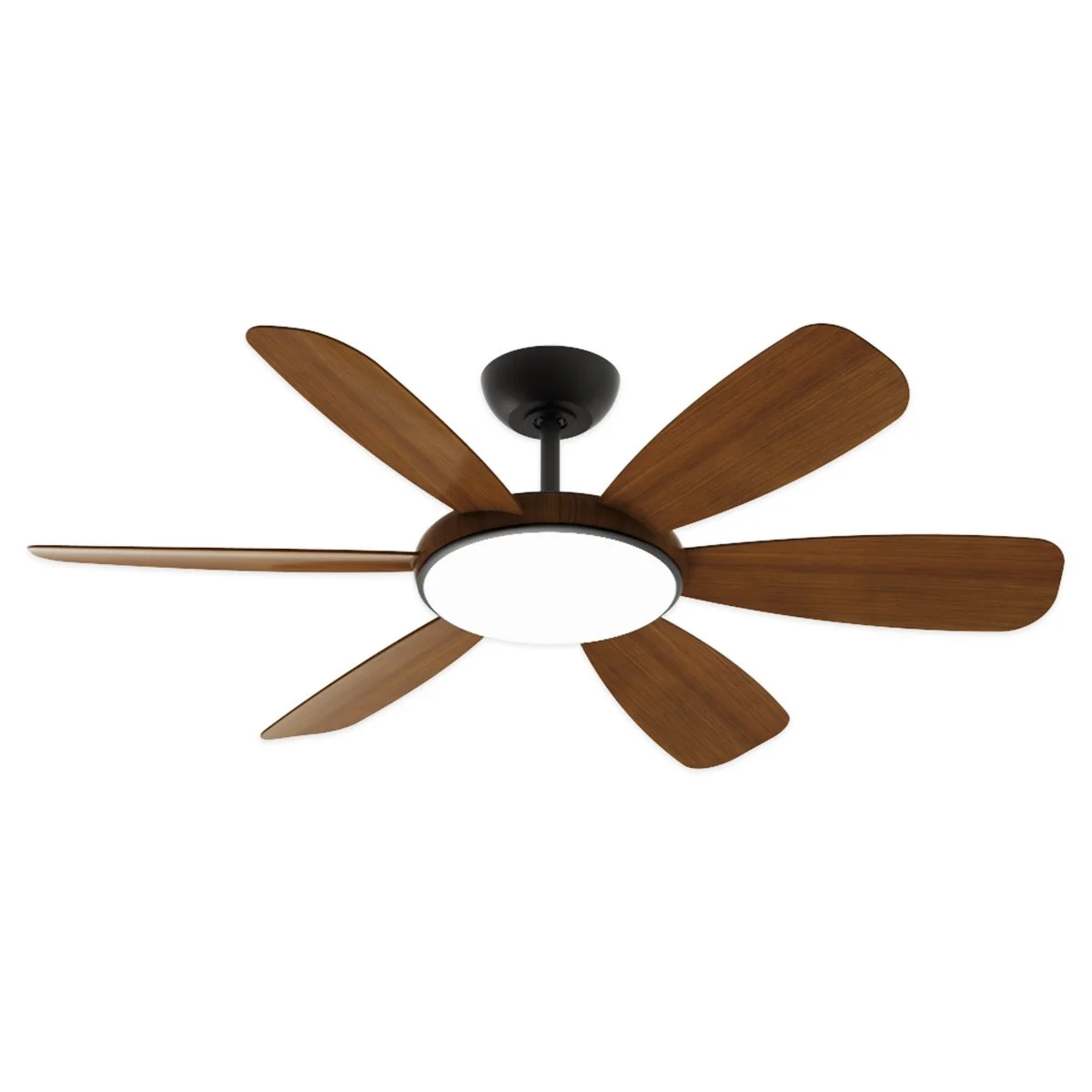
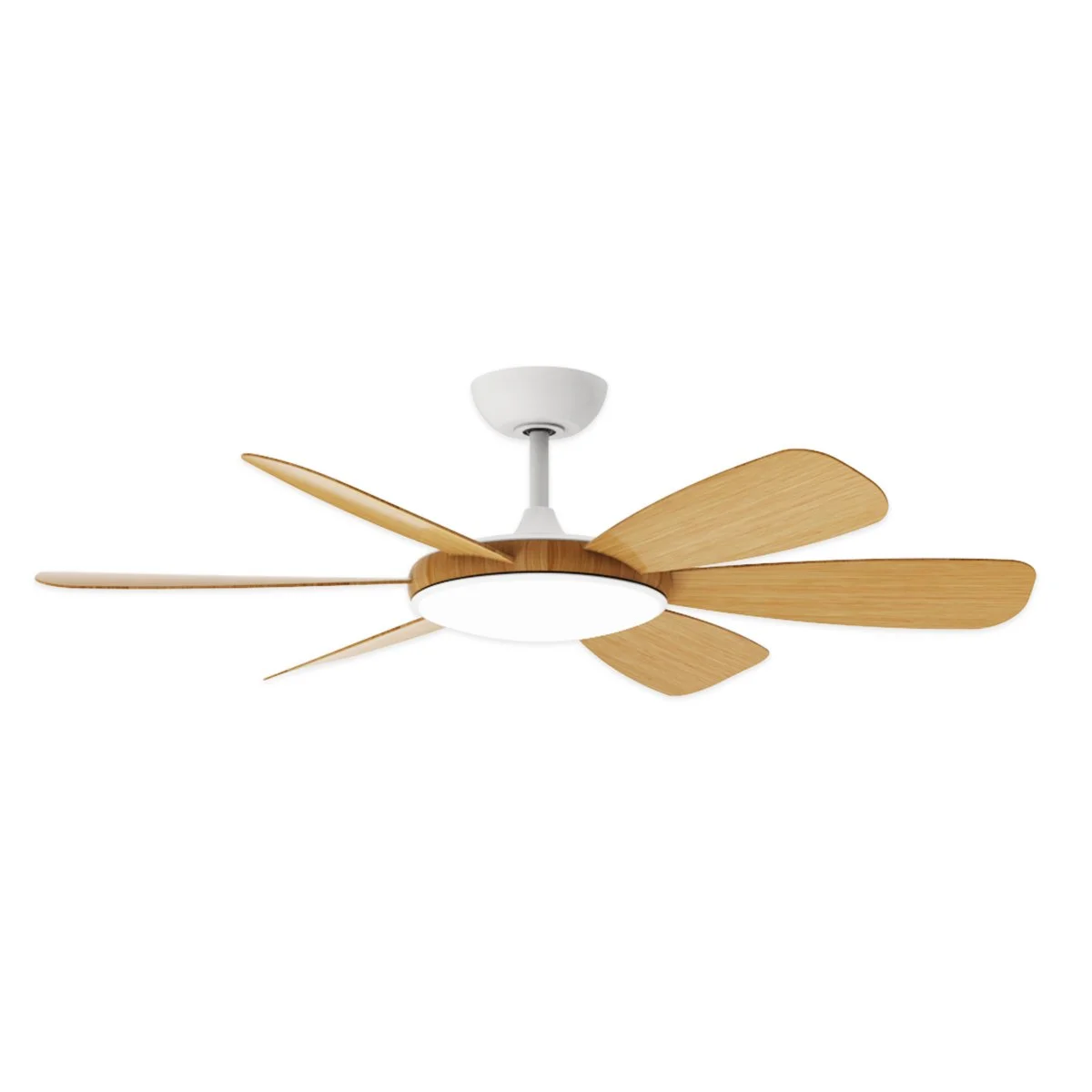
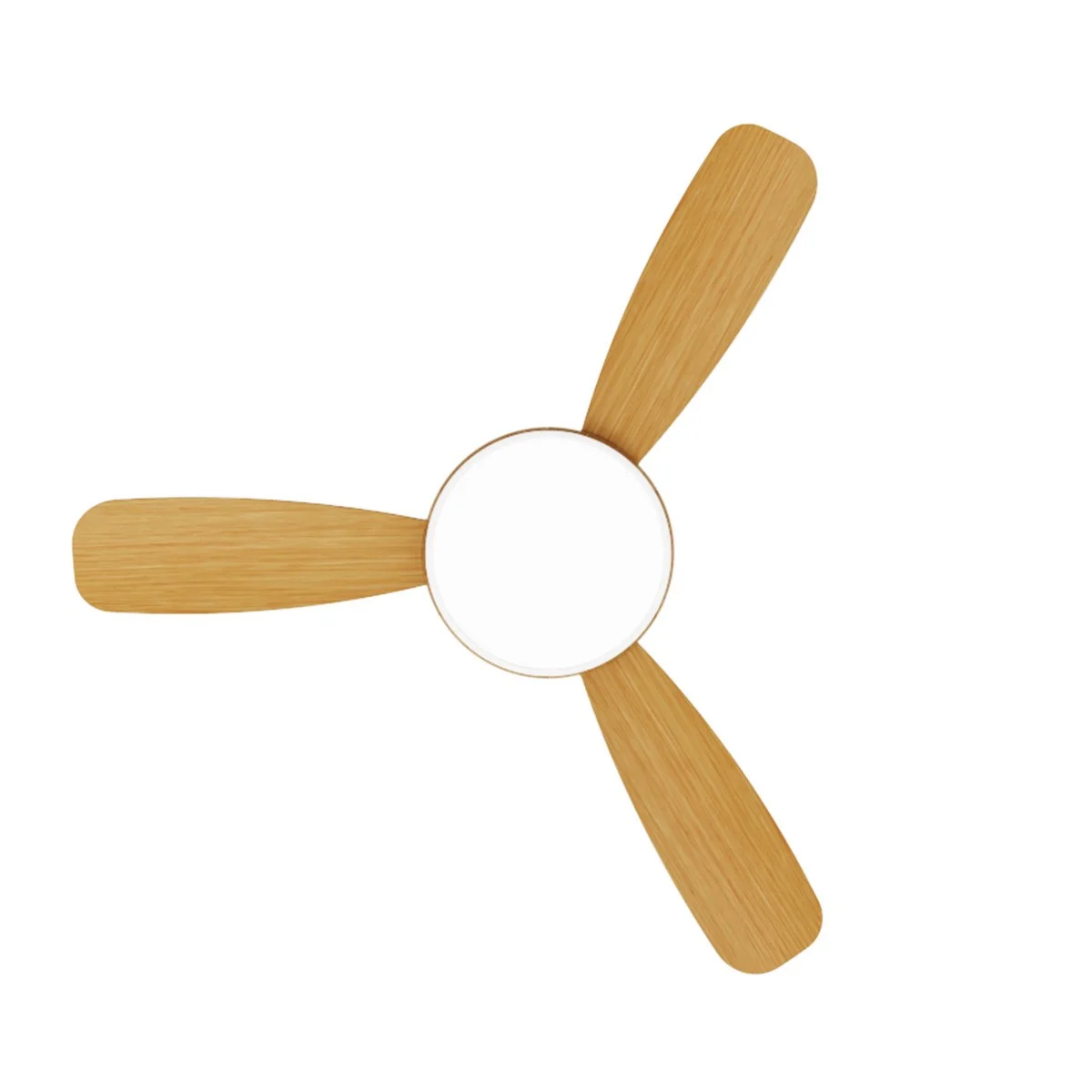
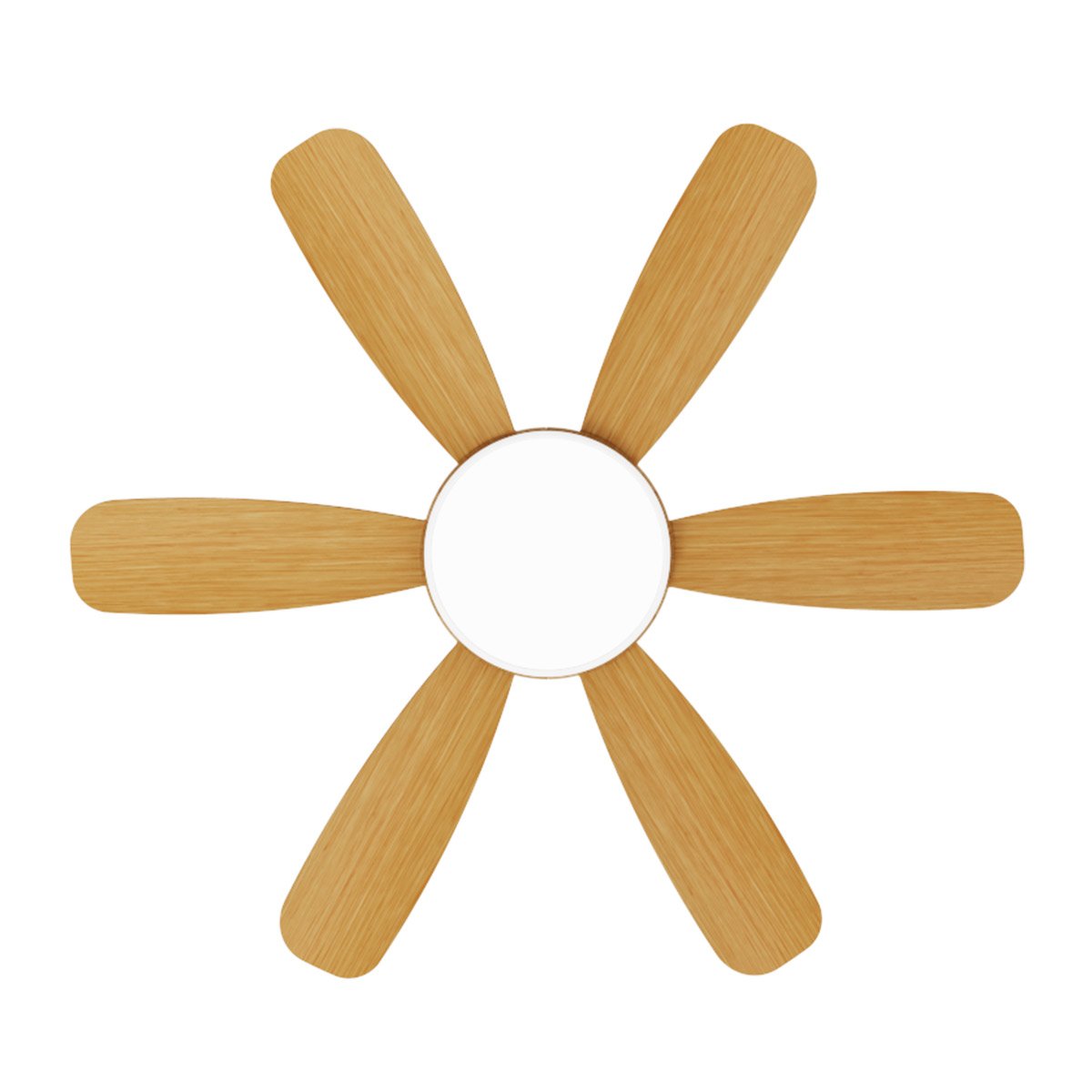
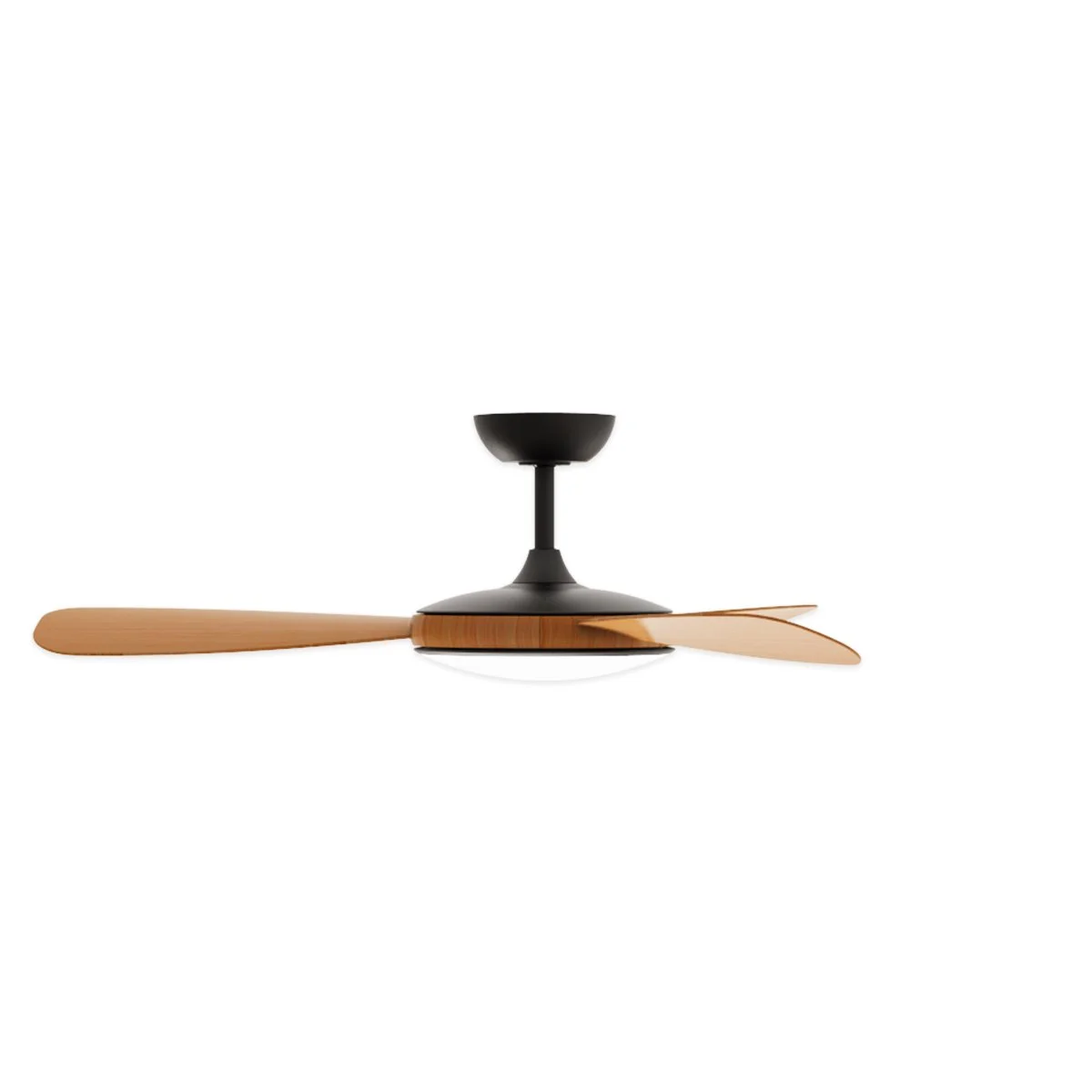
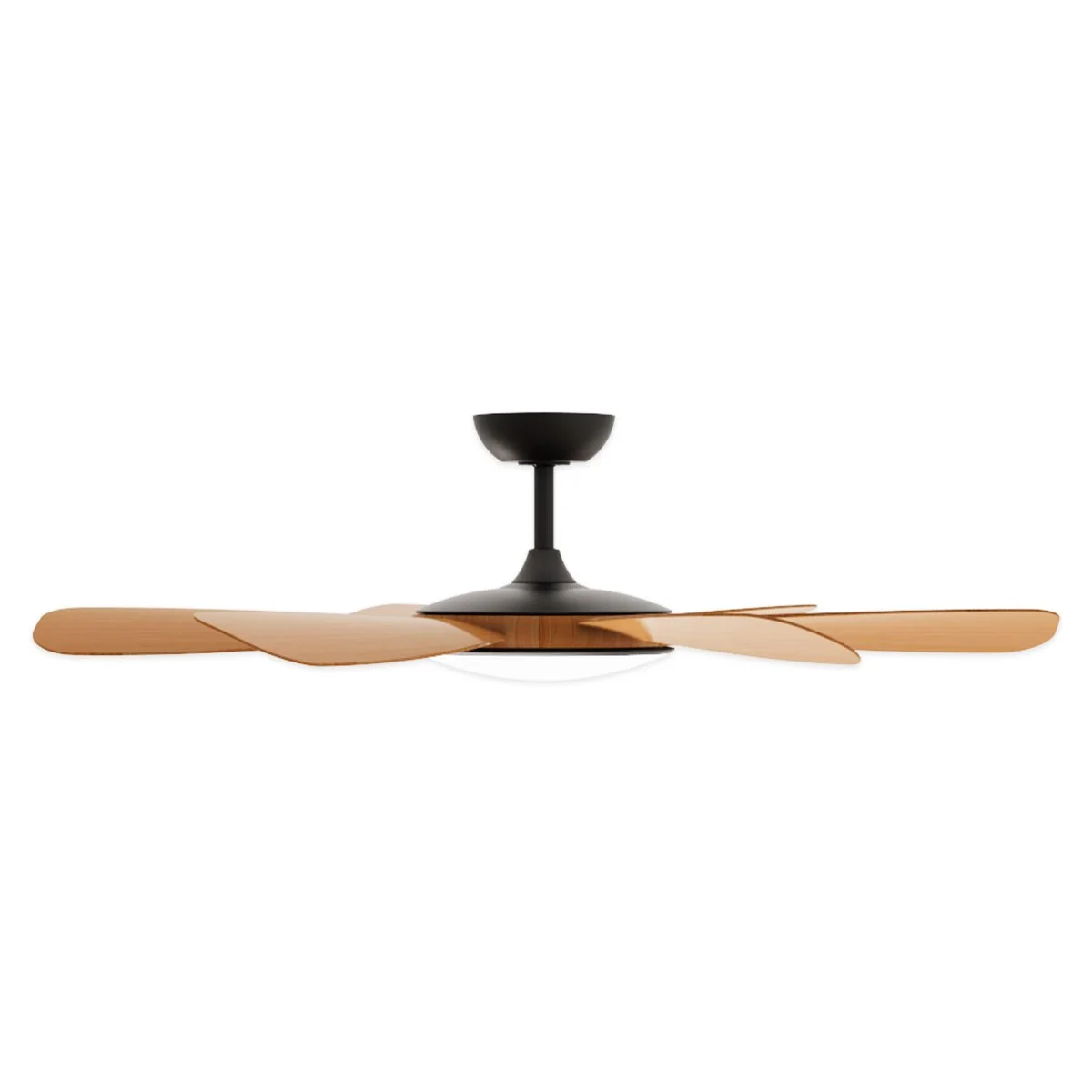
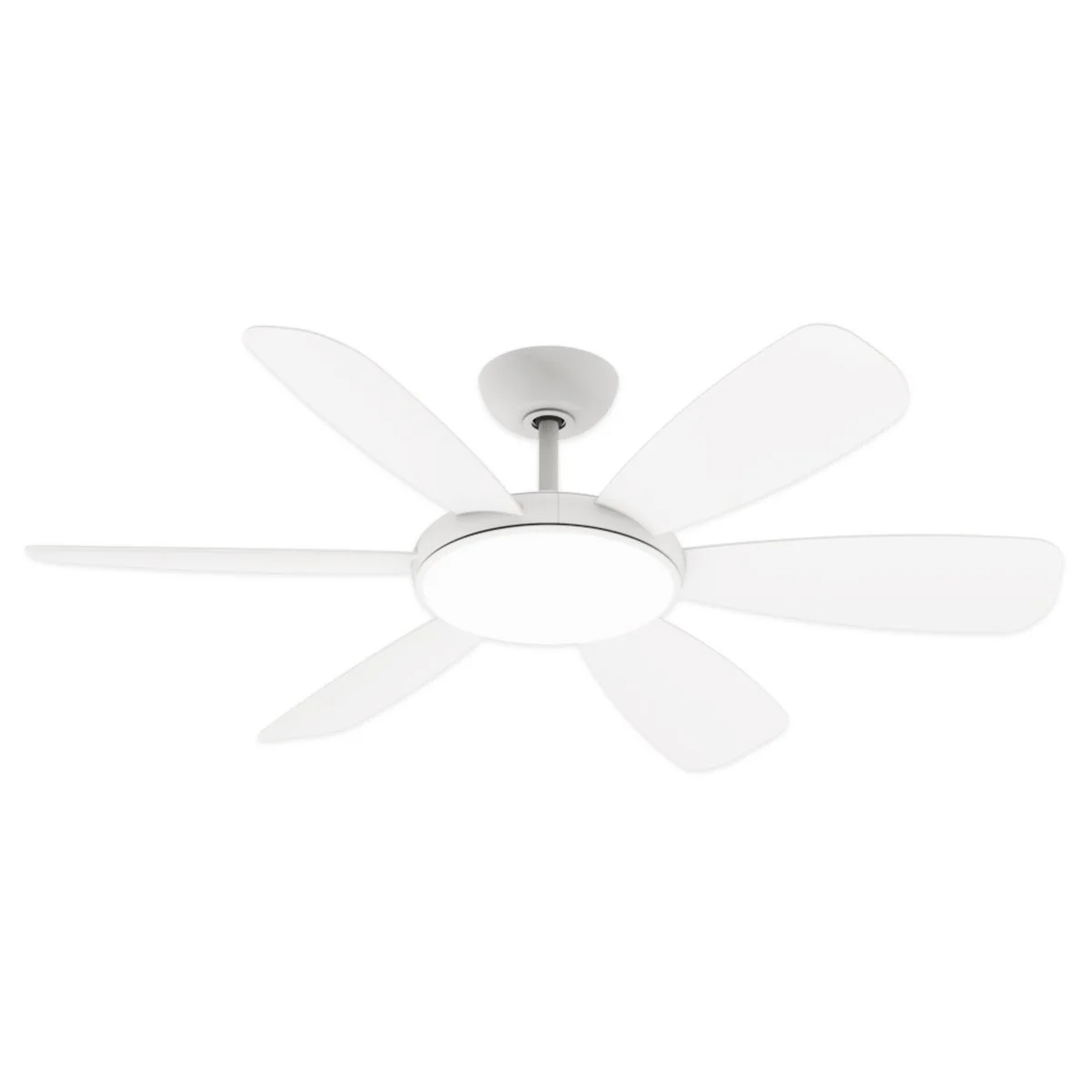
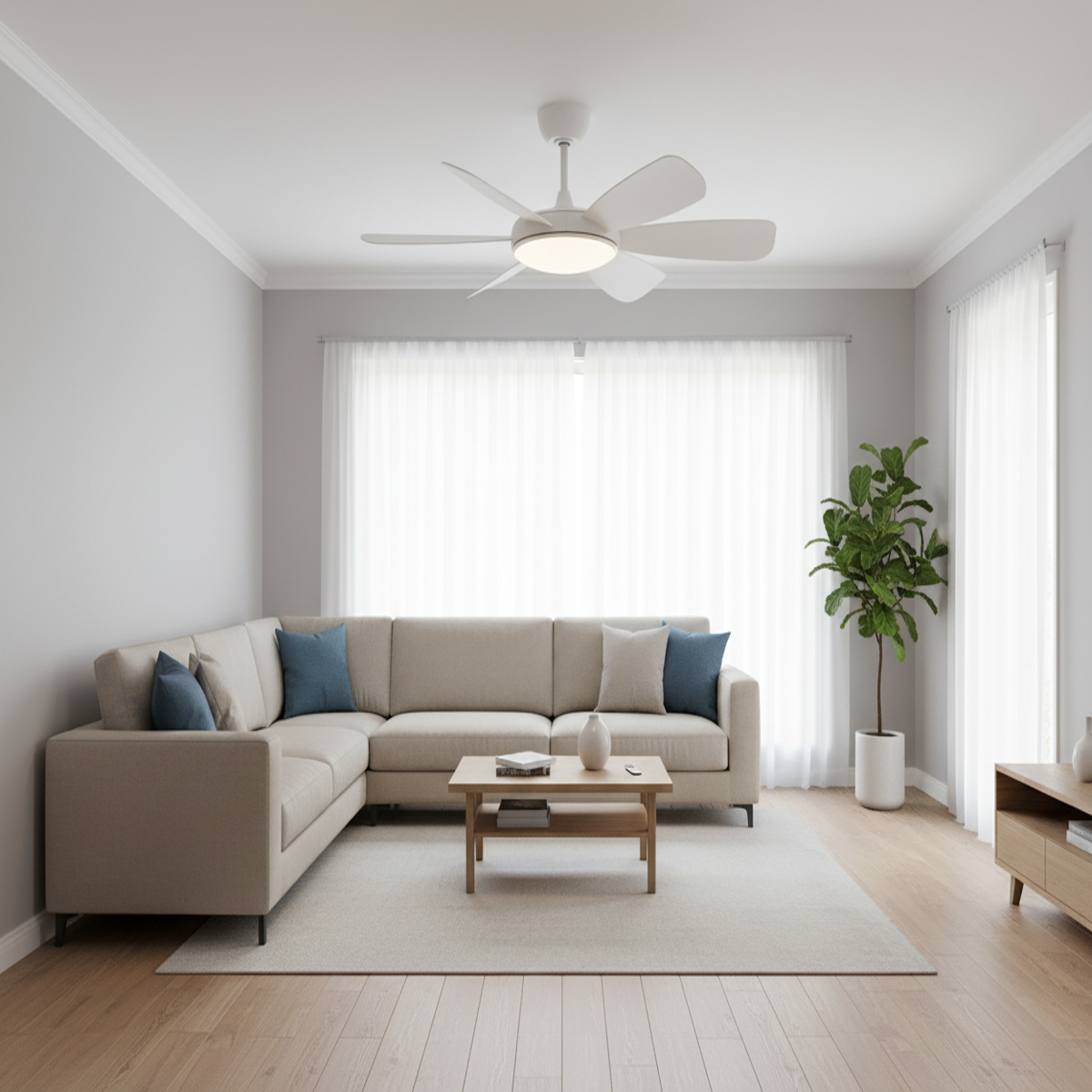







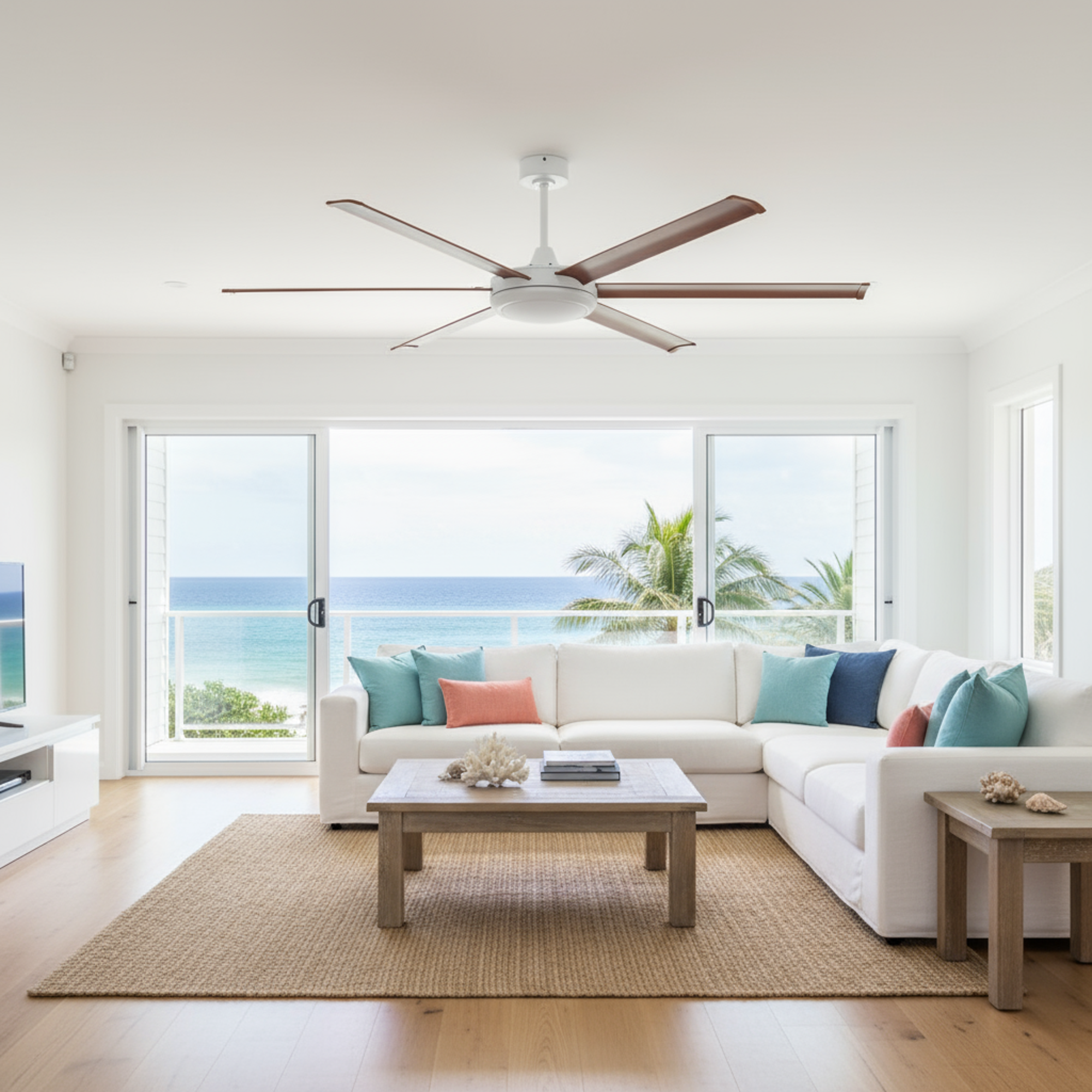


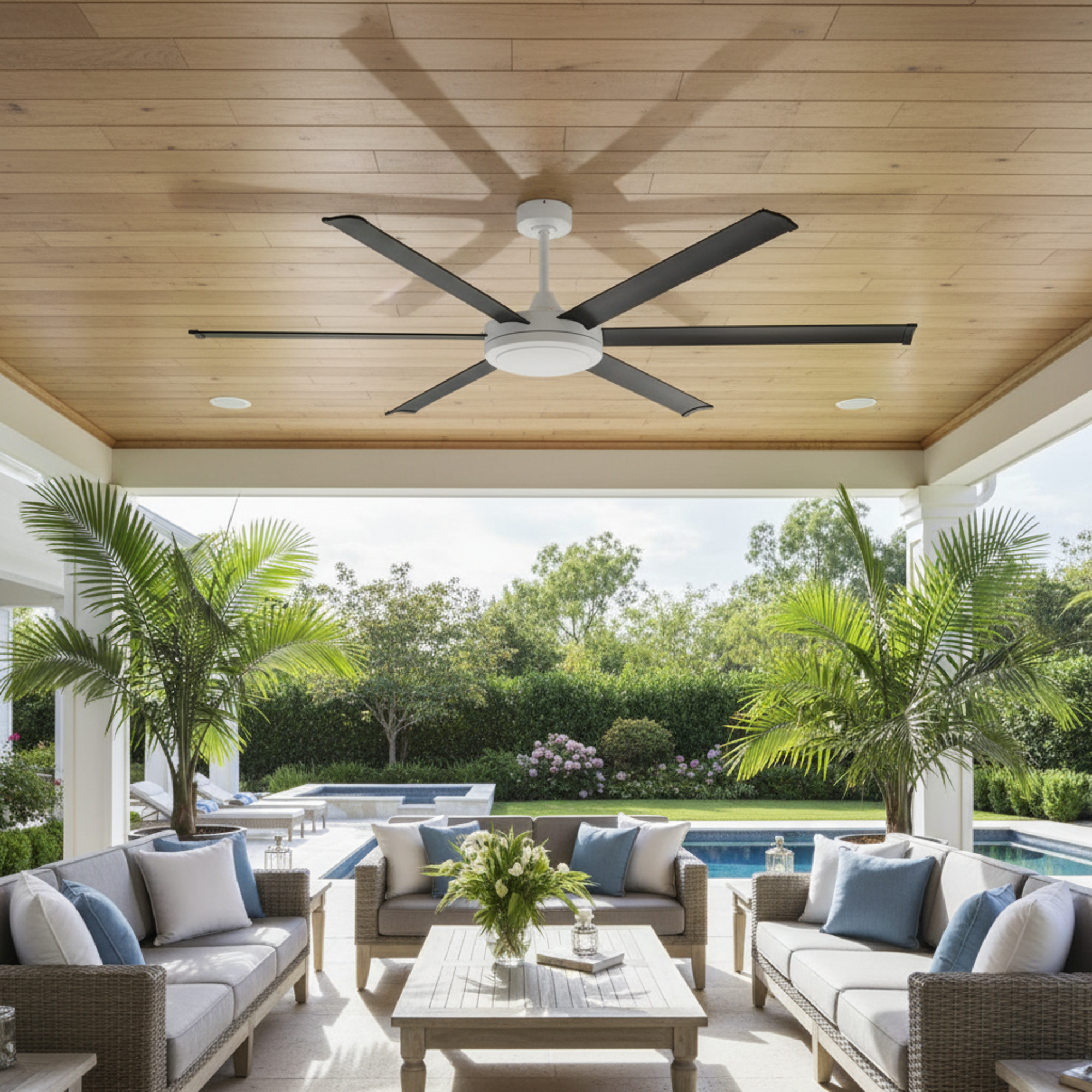

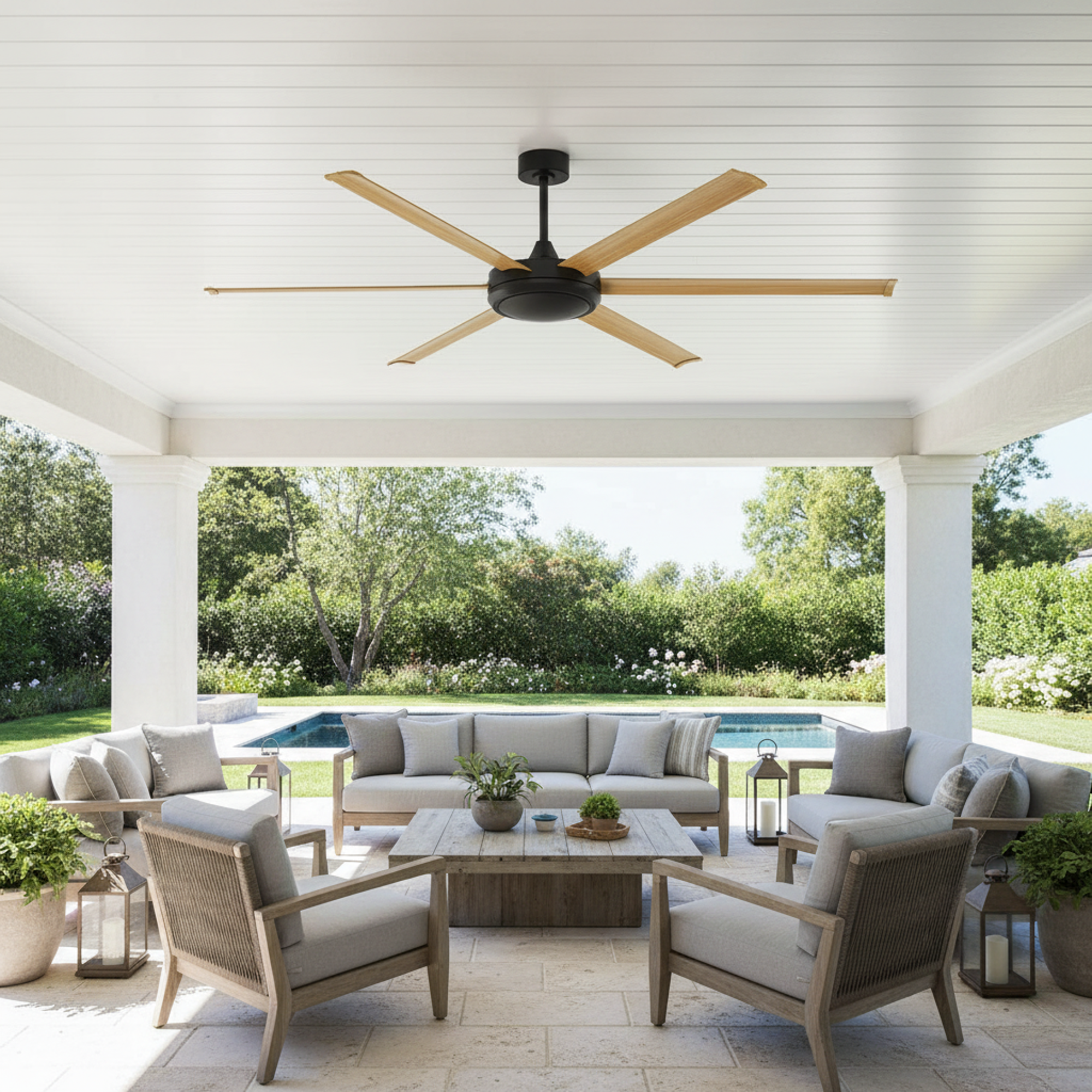

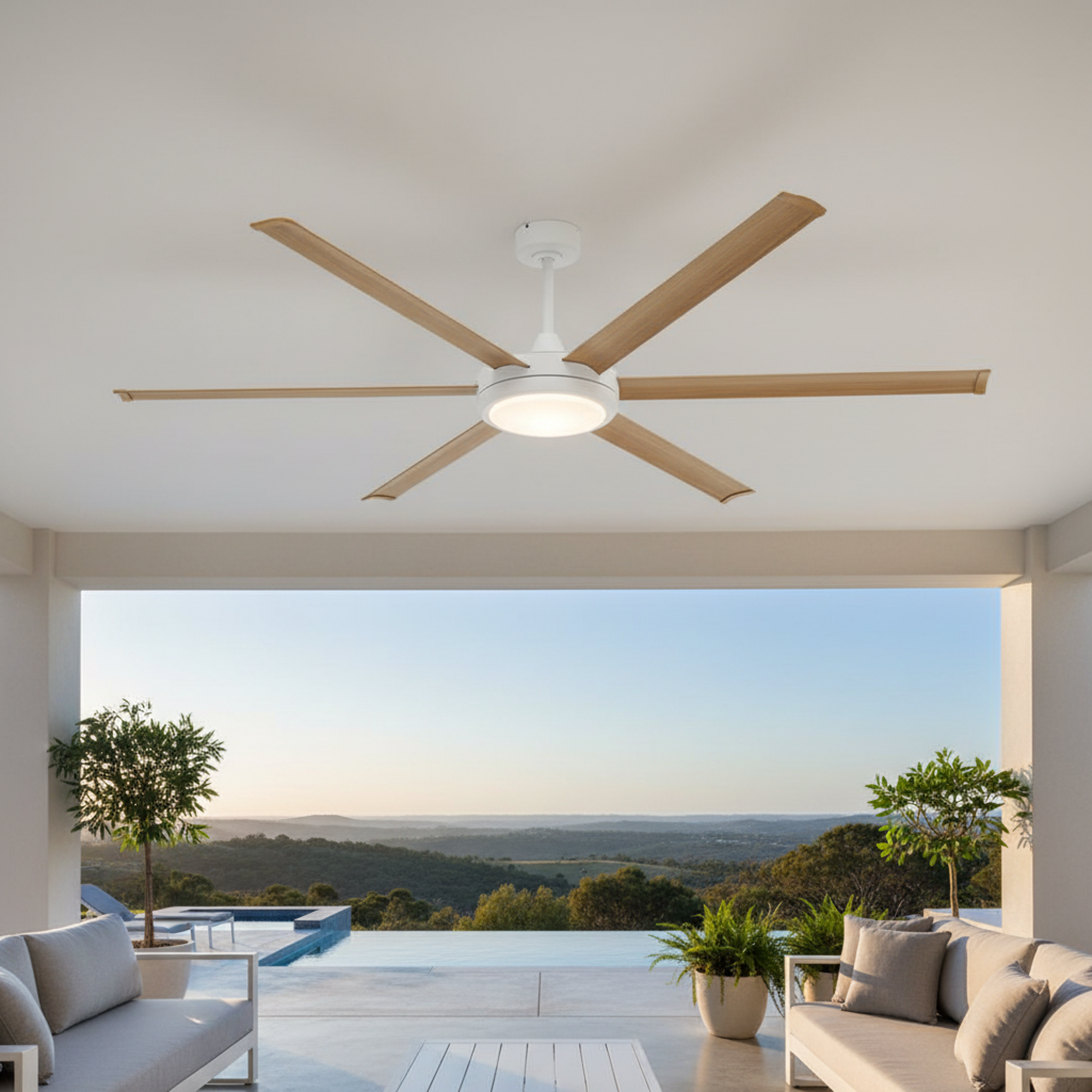







-
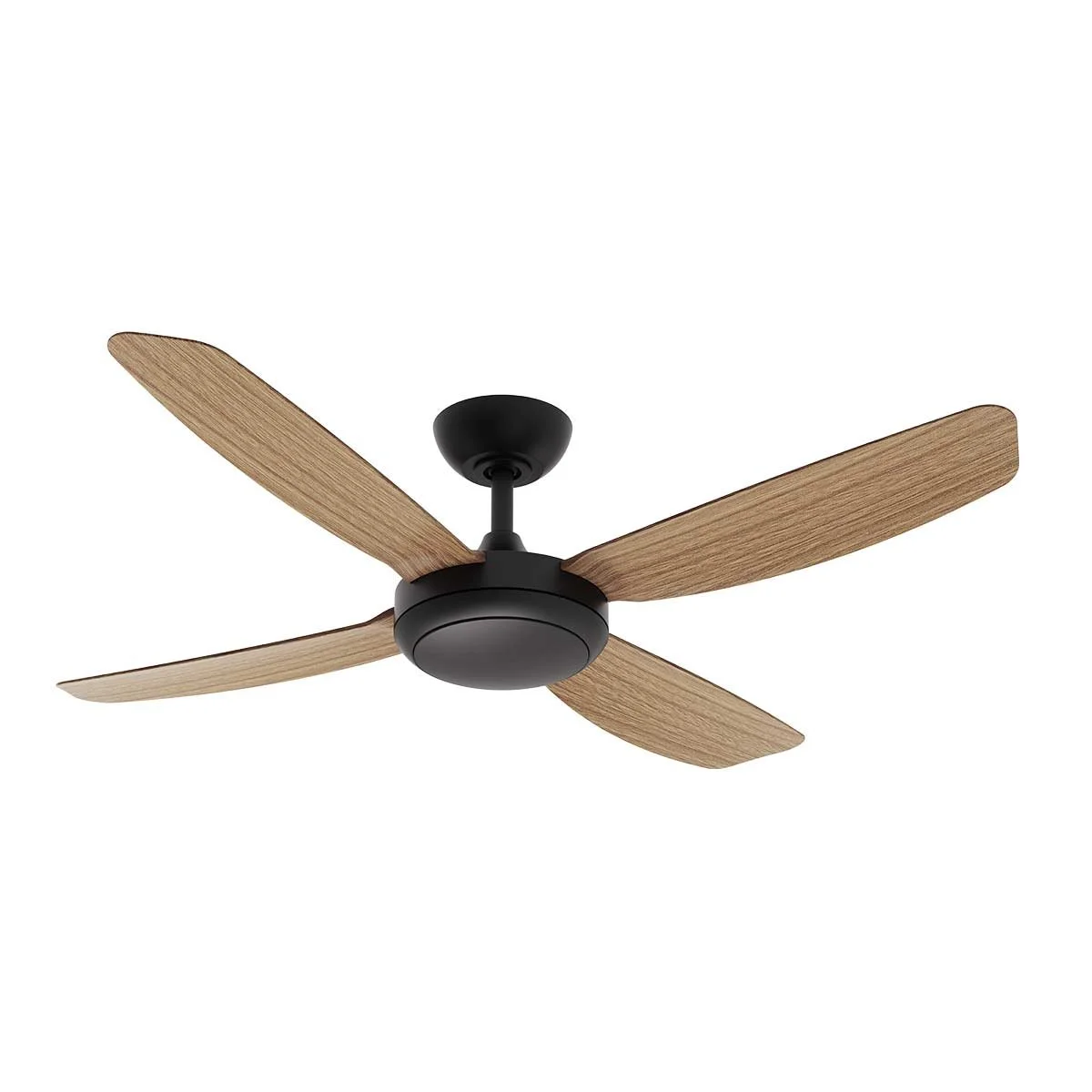
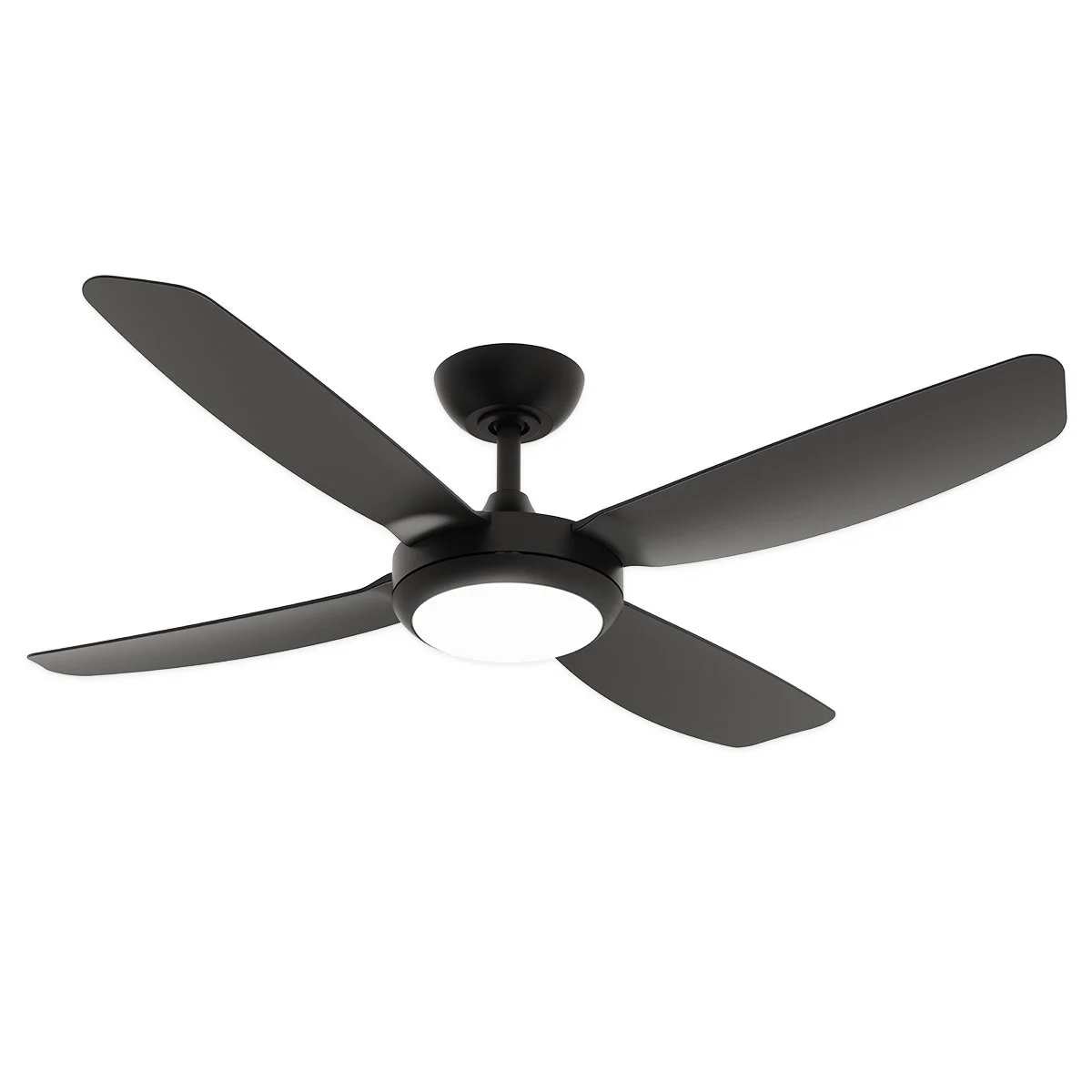
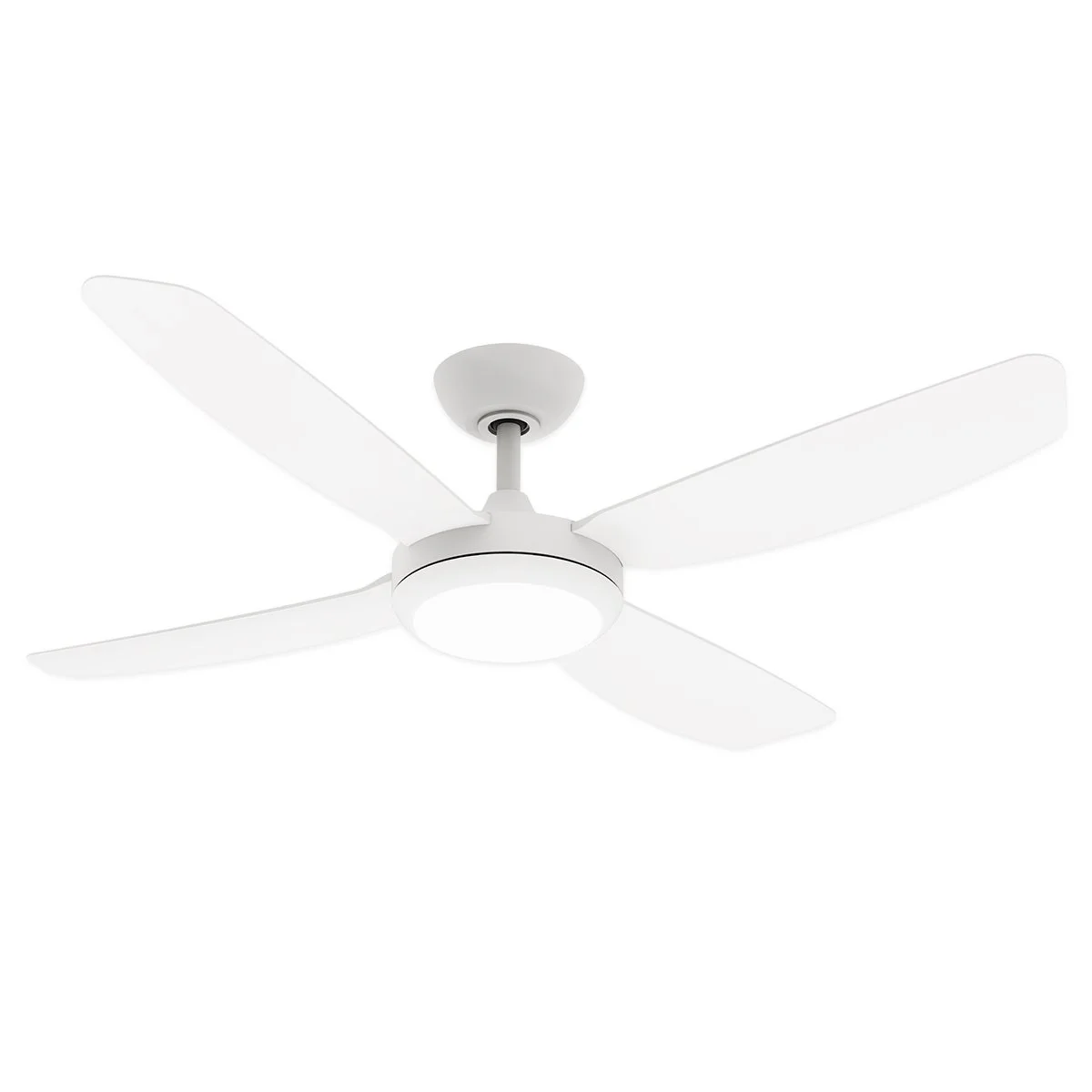
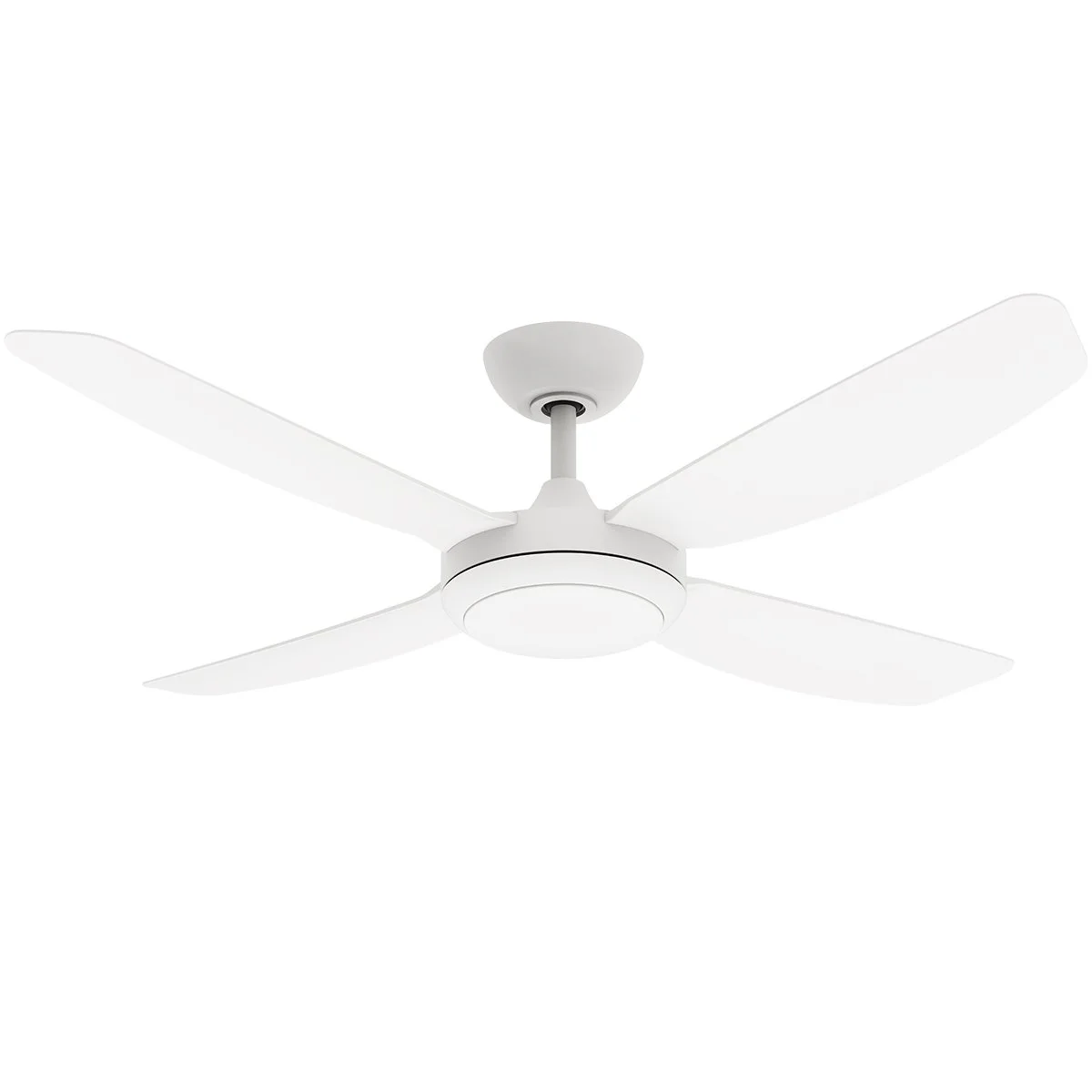
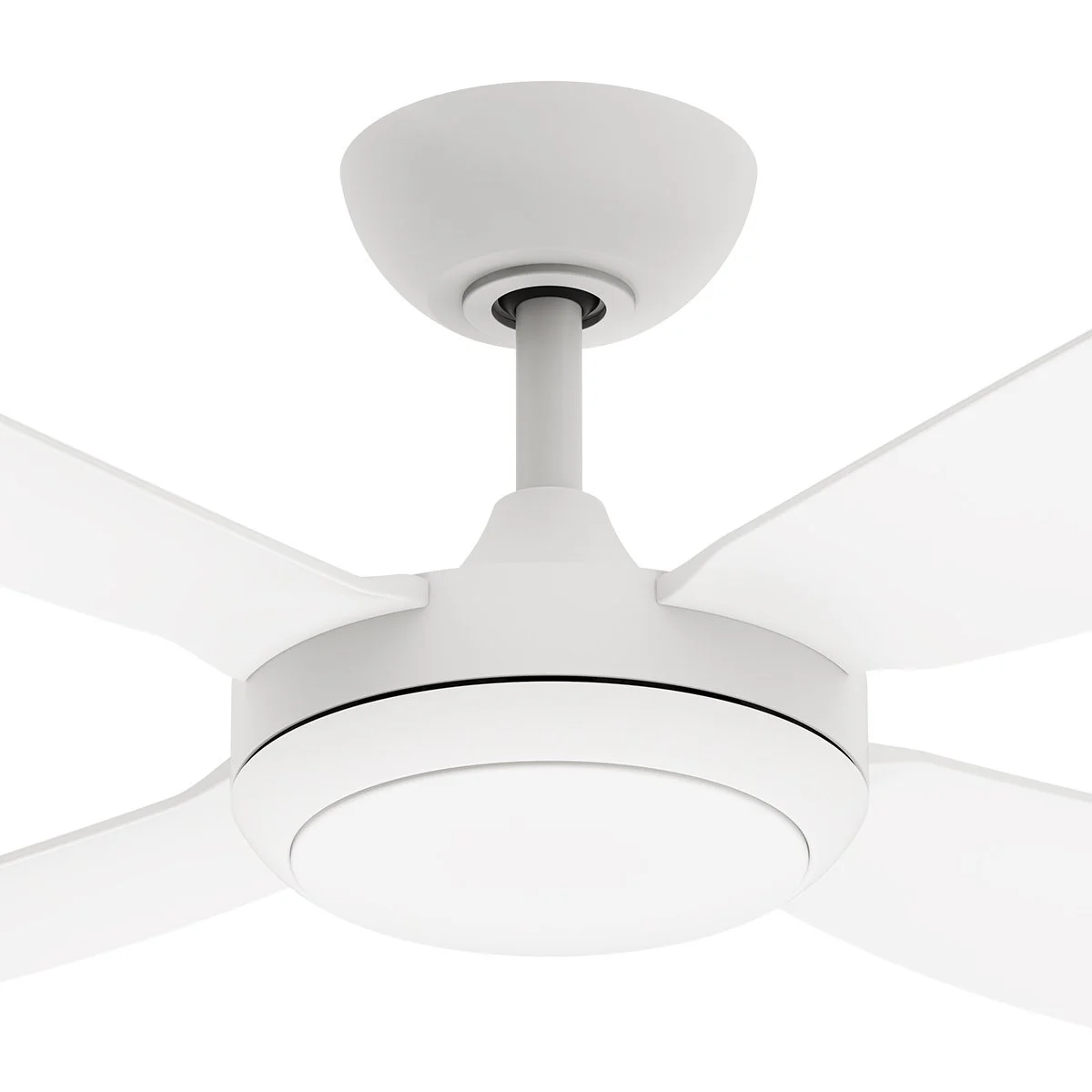
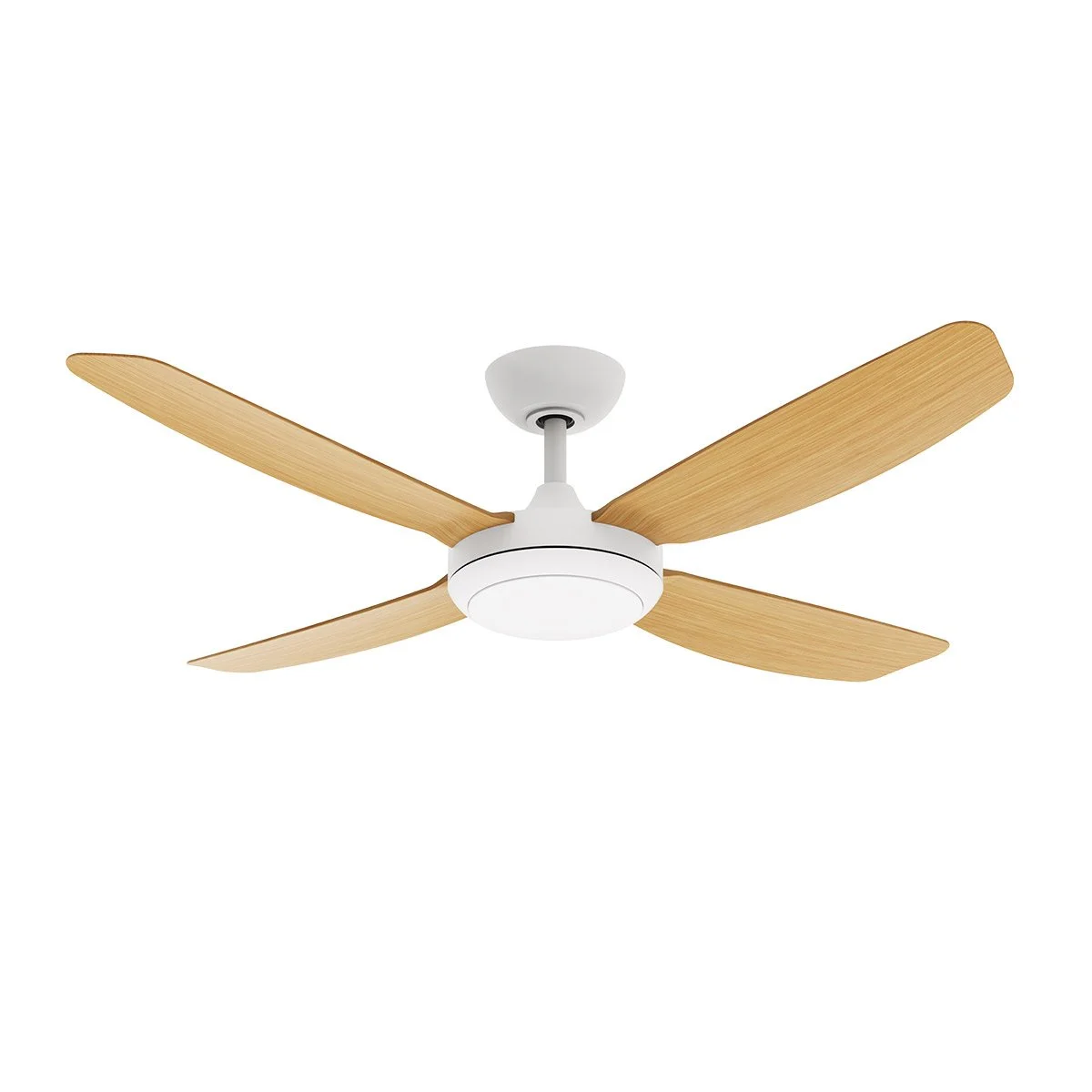
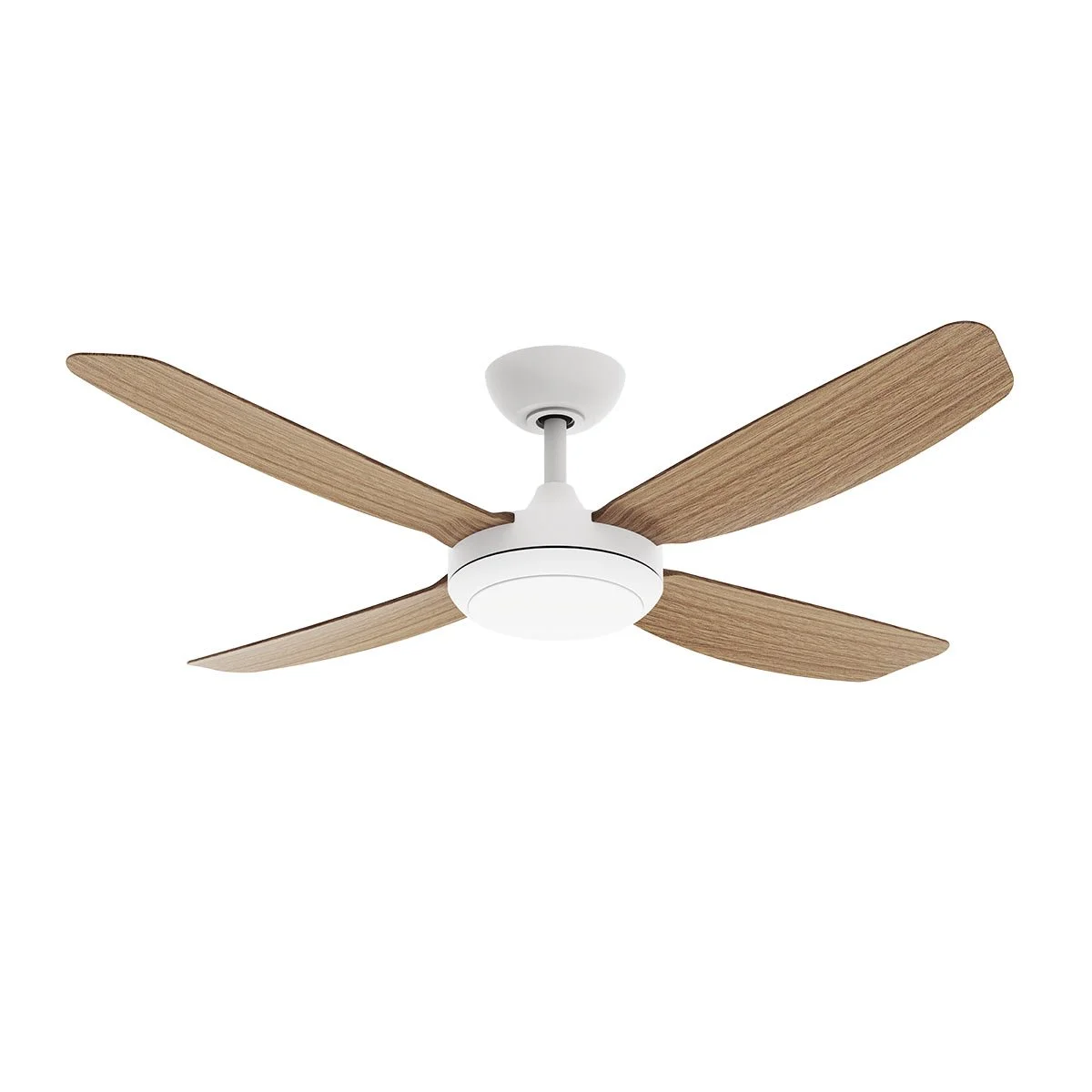
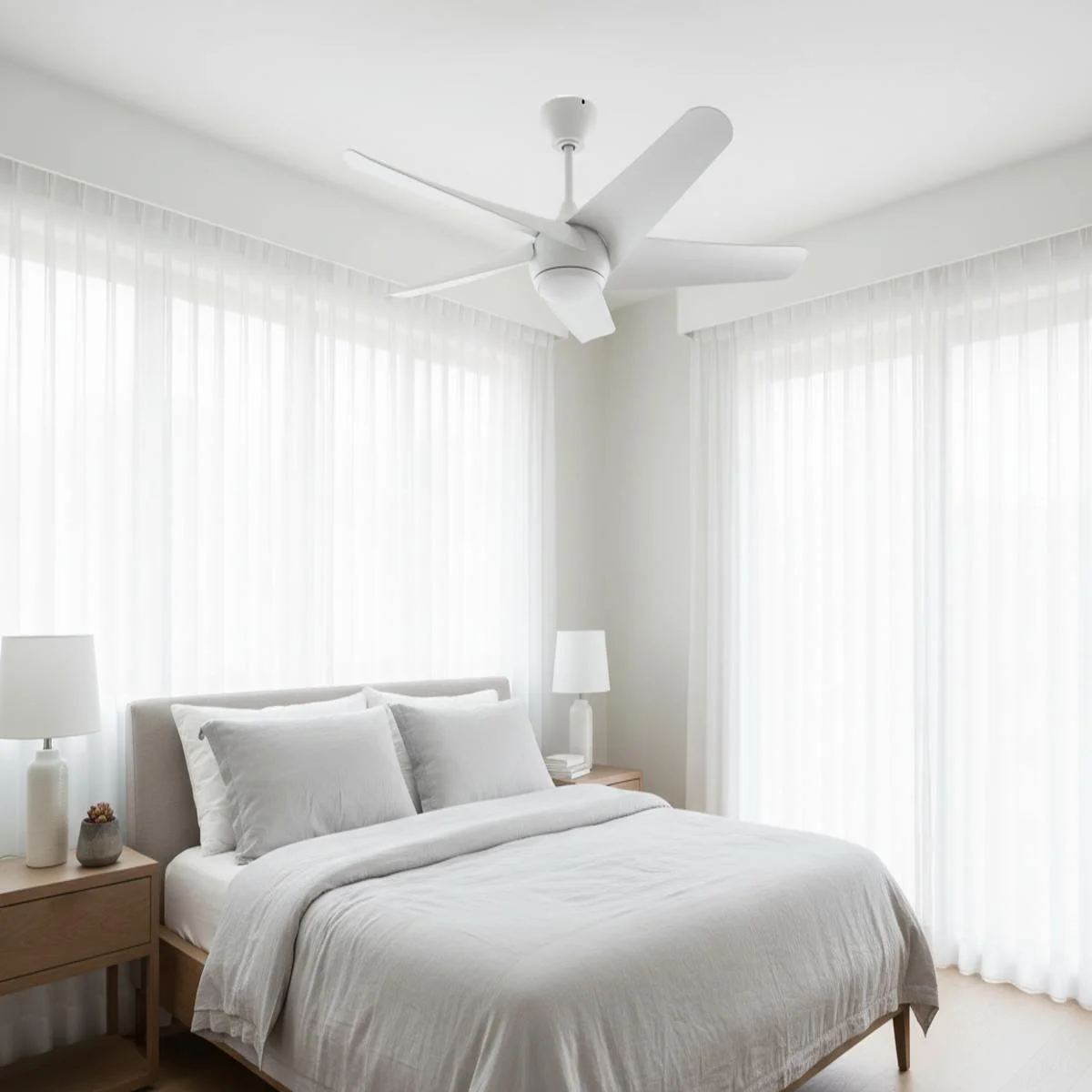
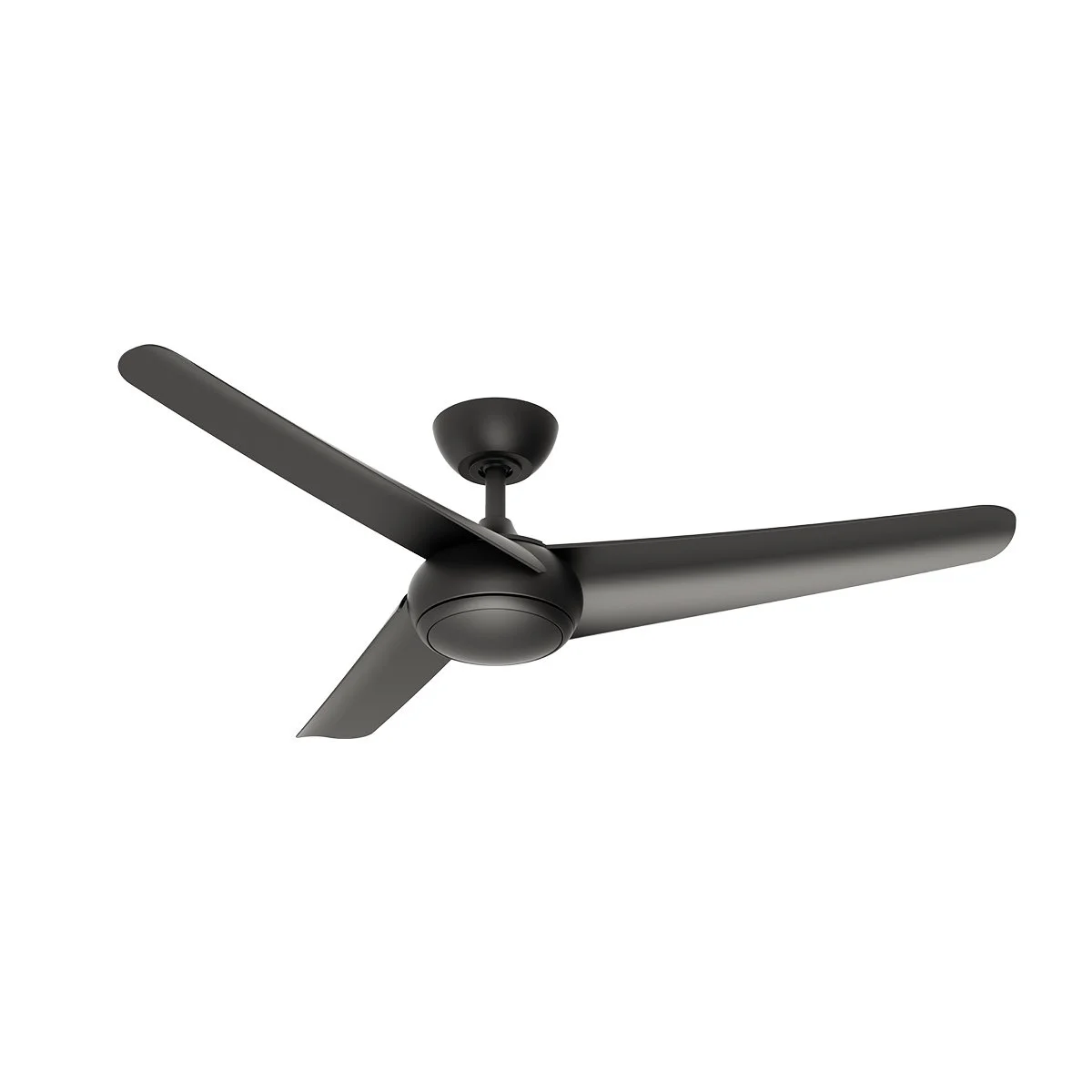
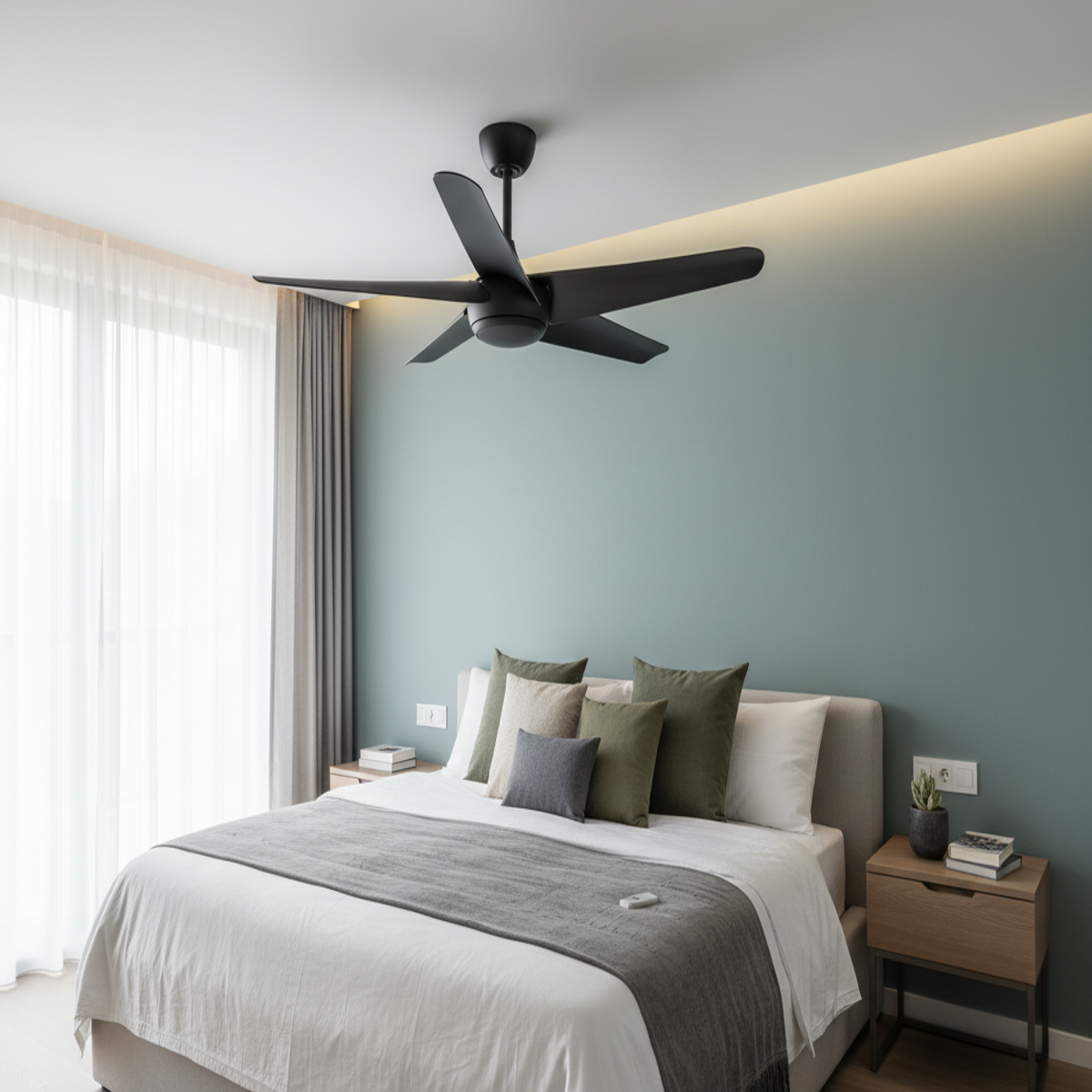
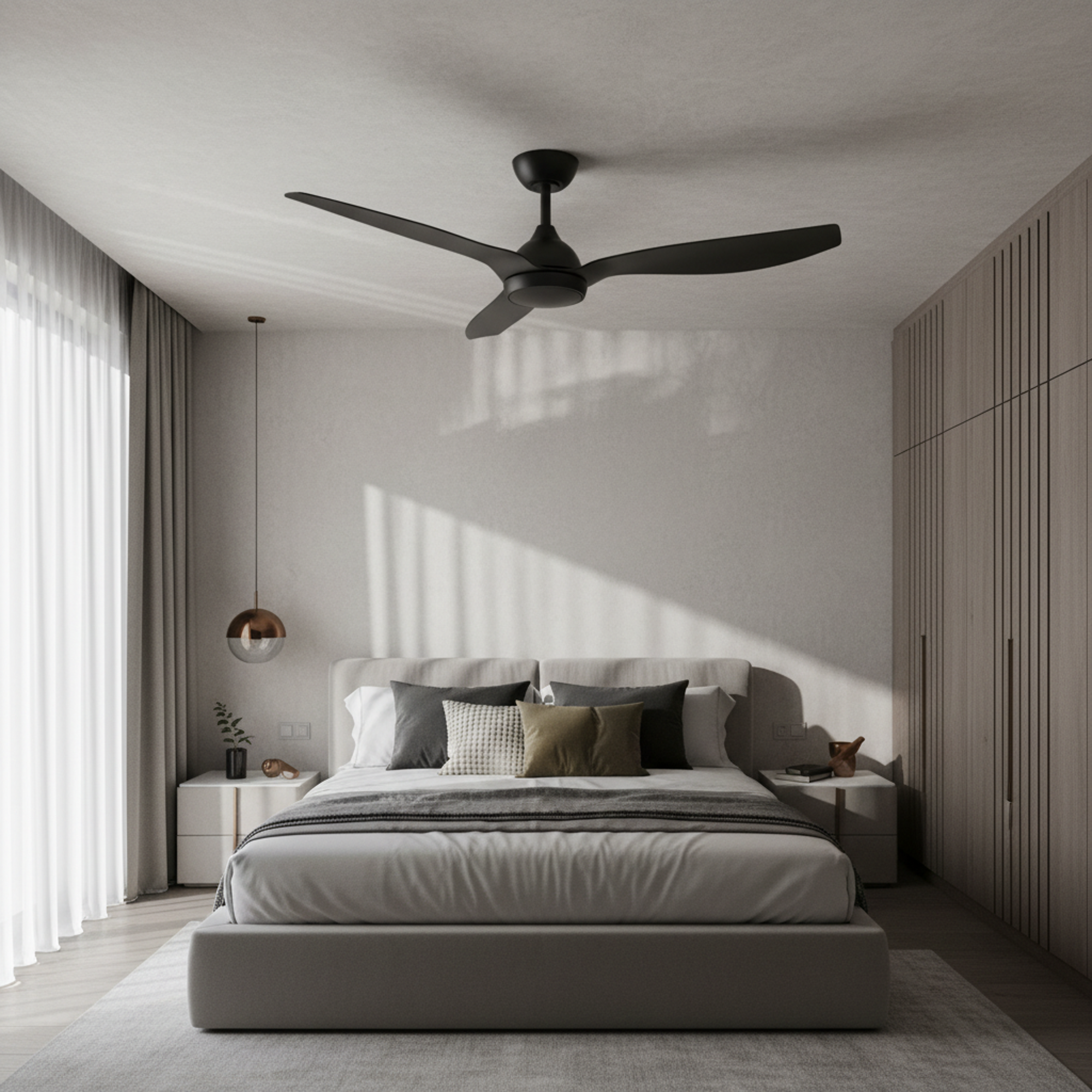
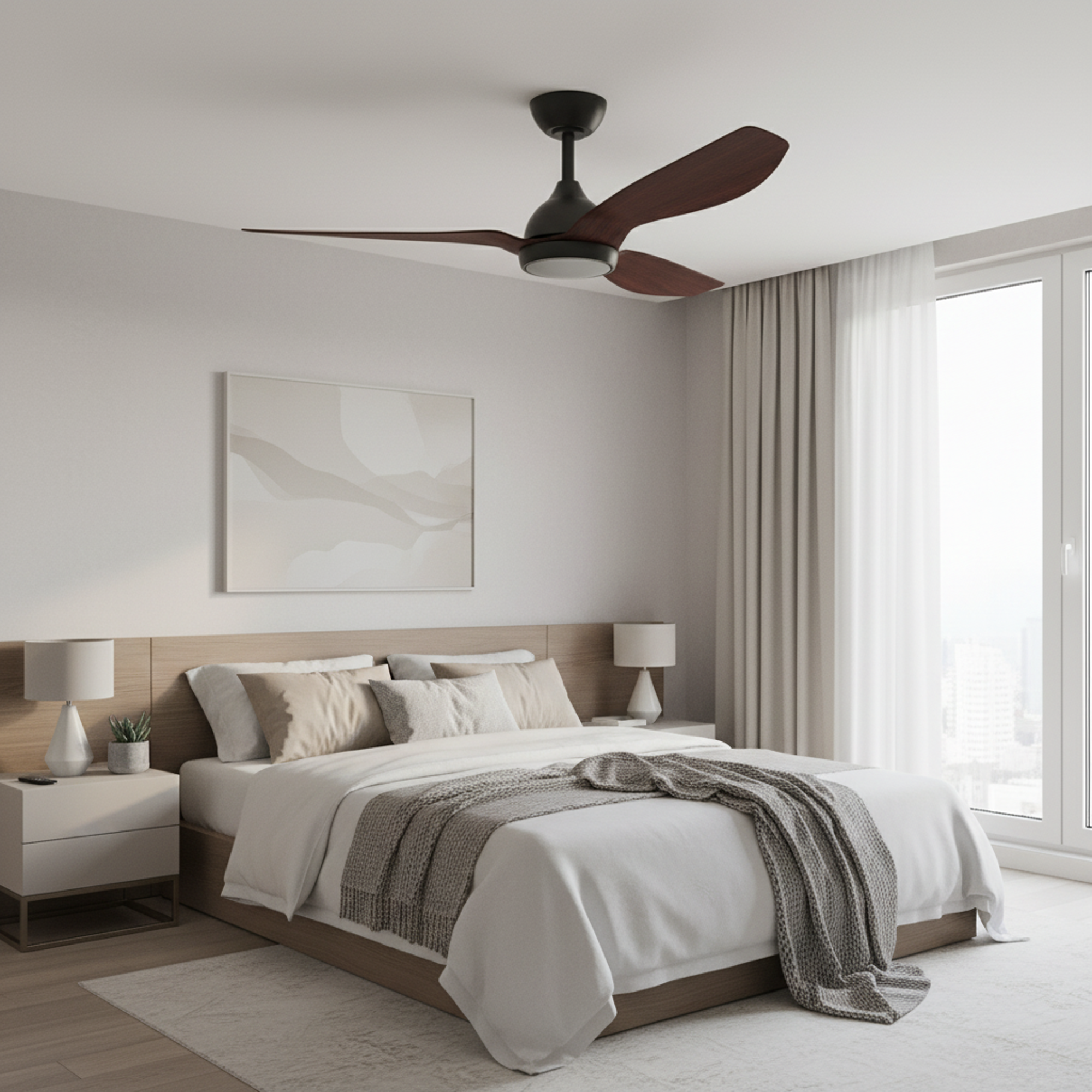
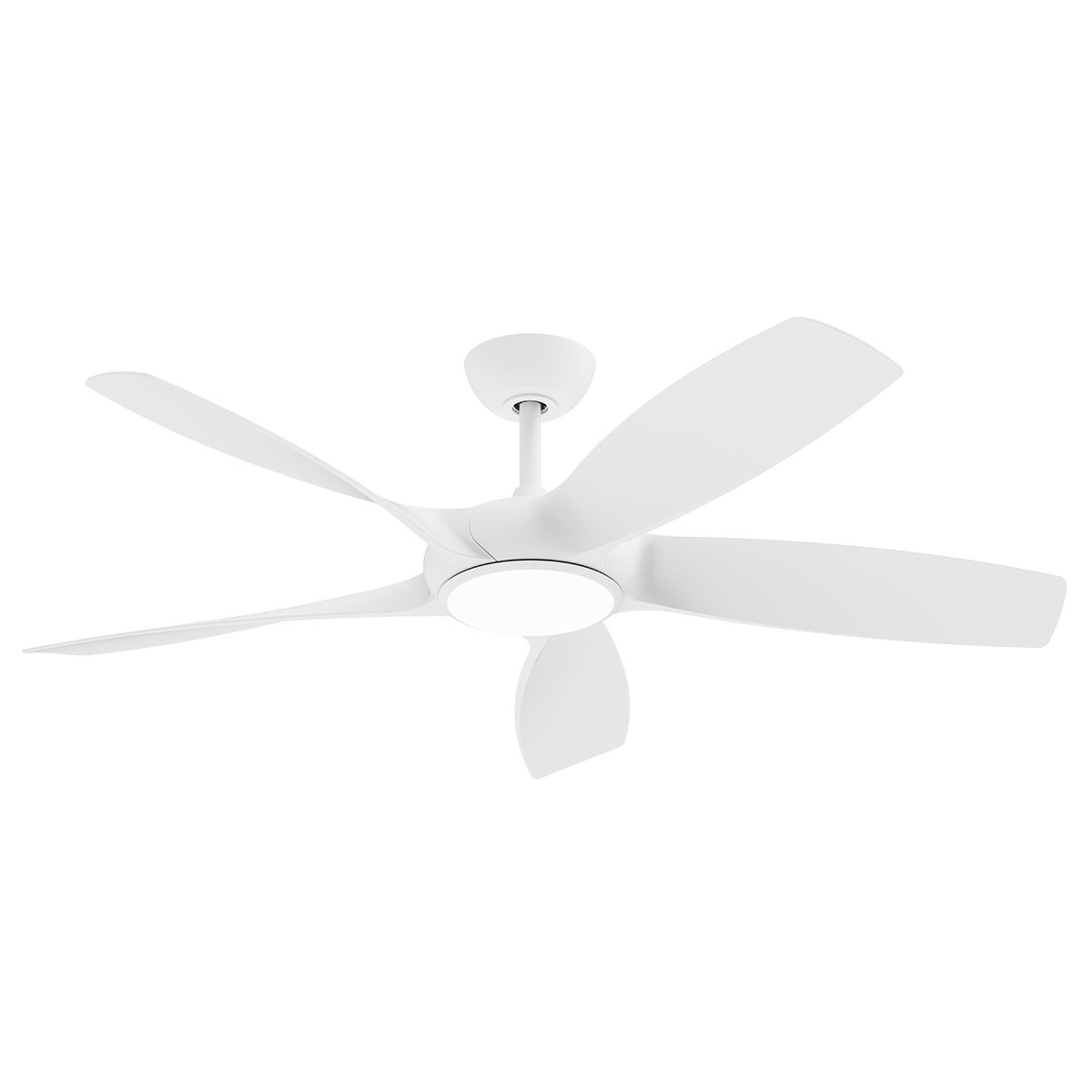
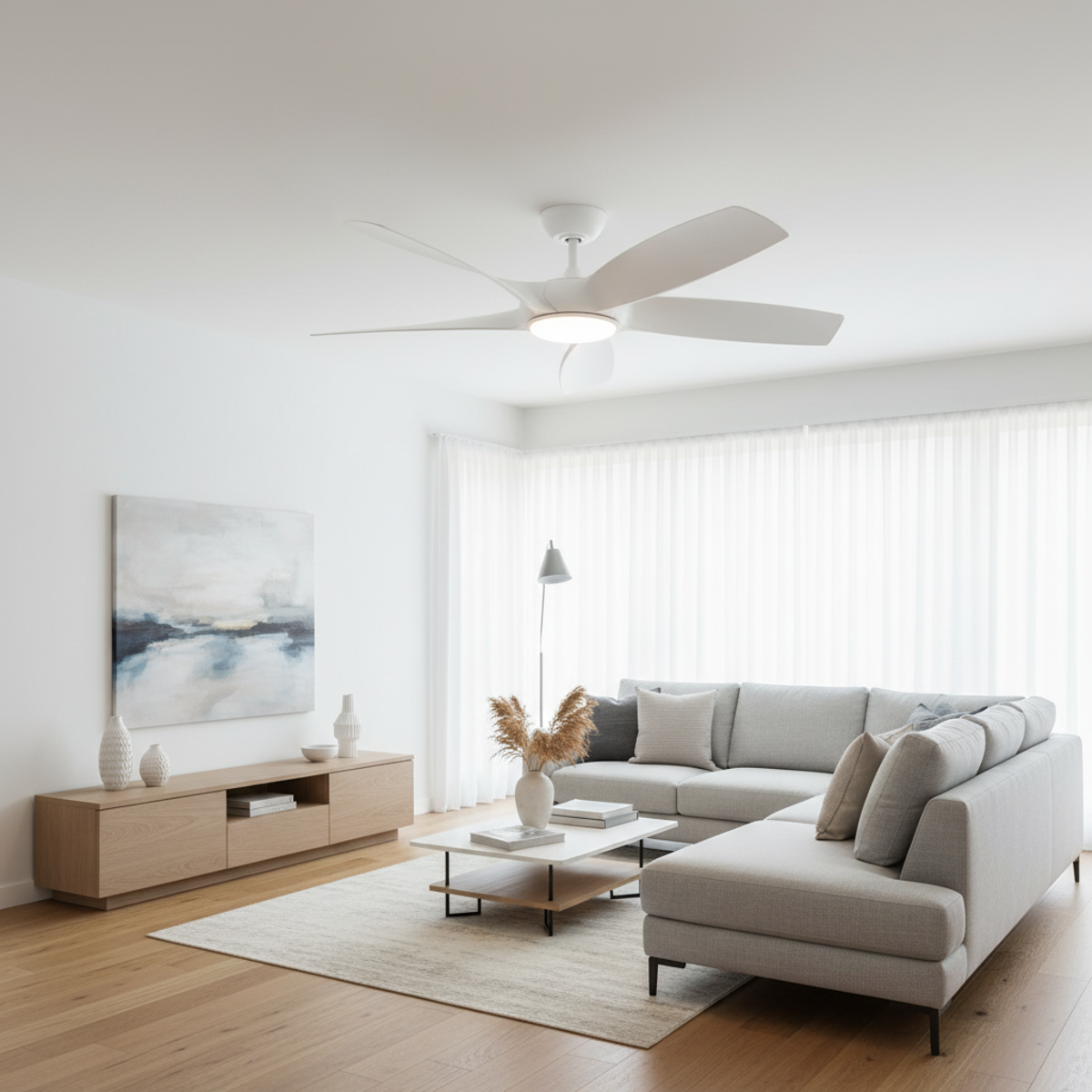
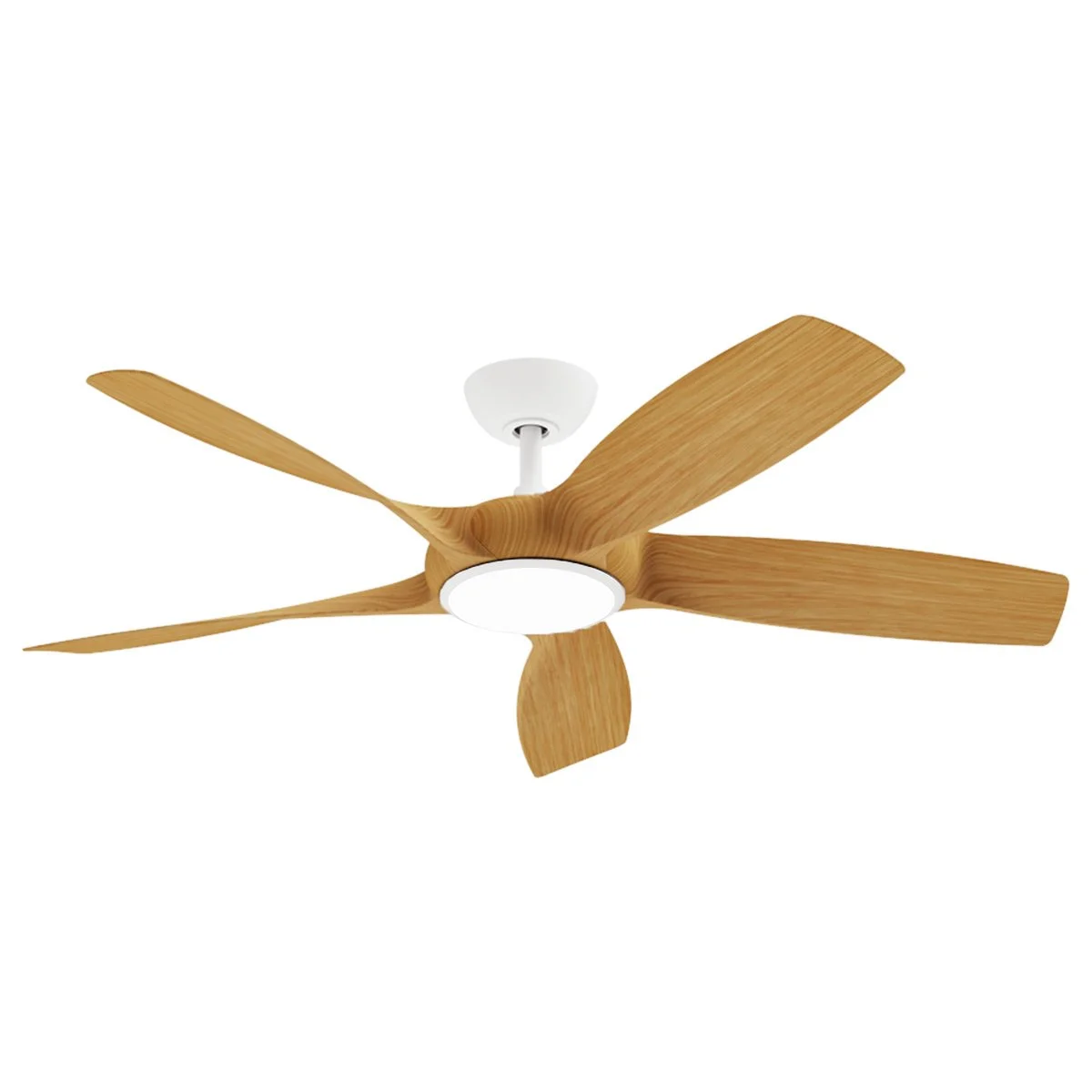
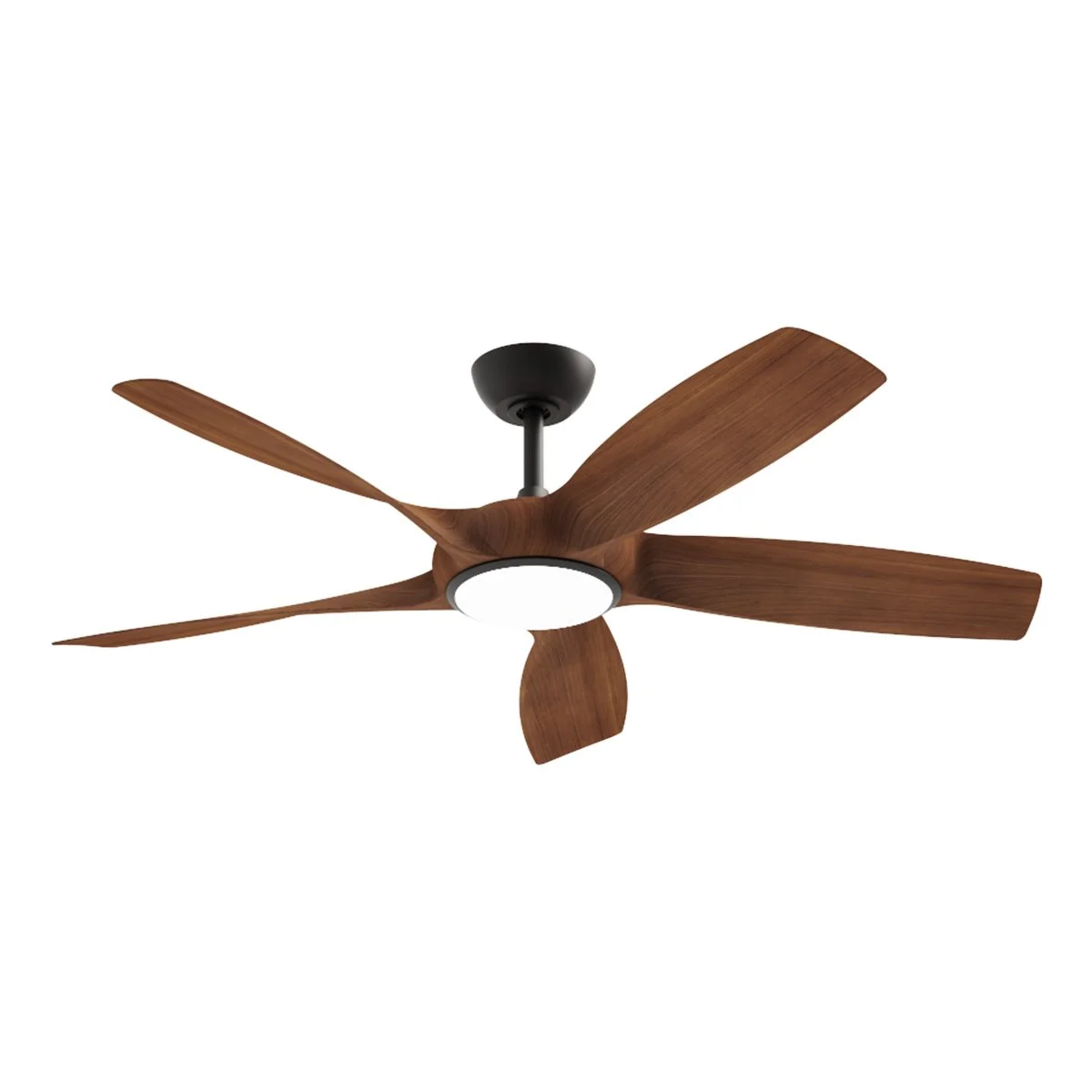
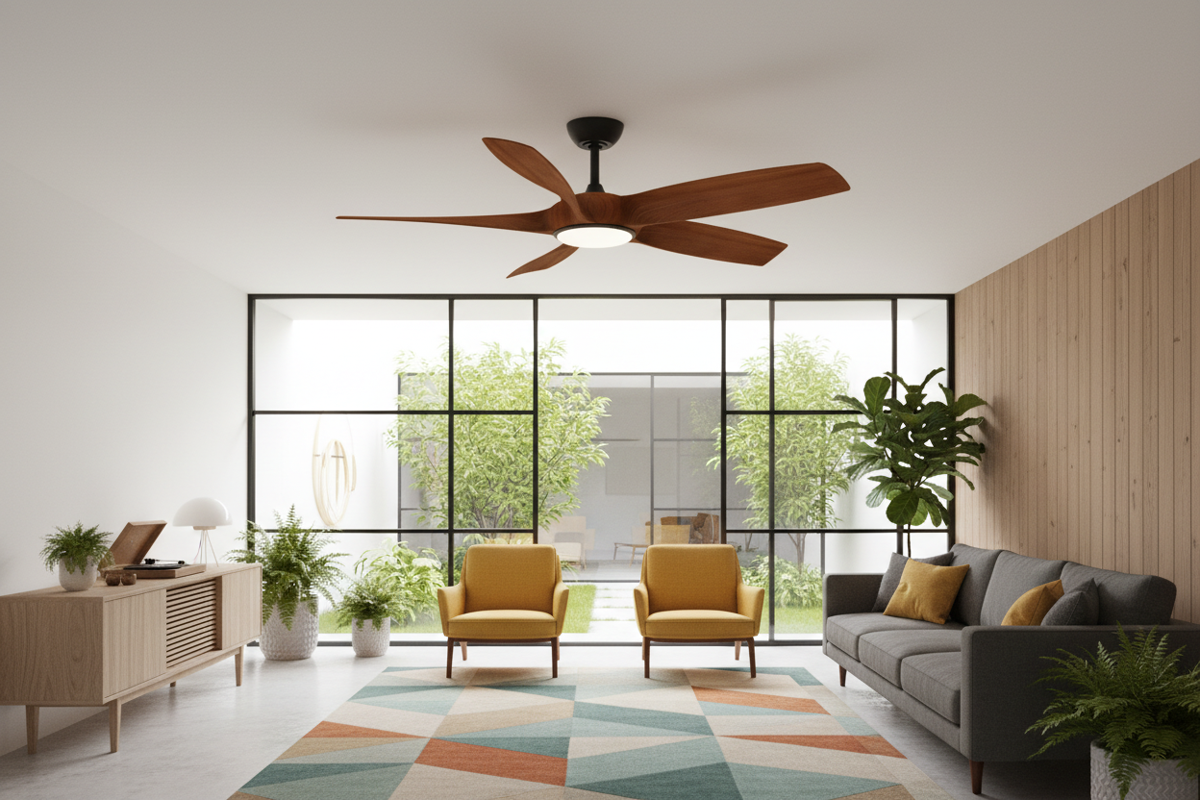
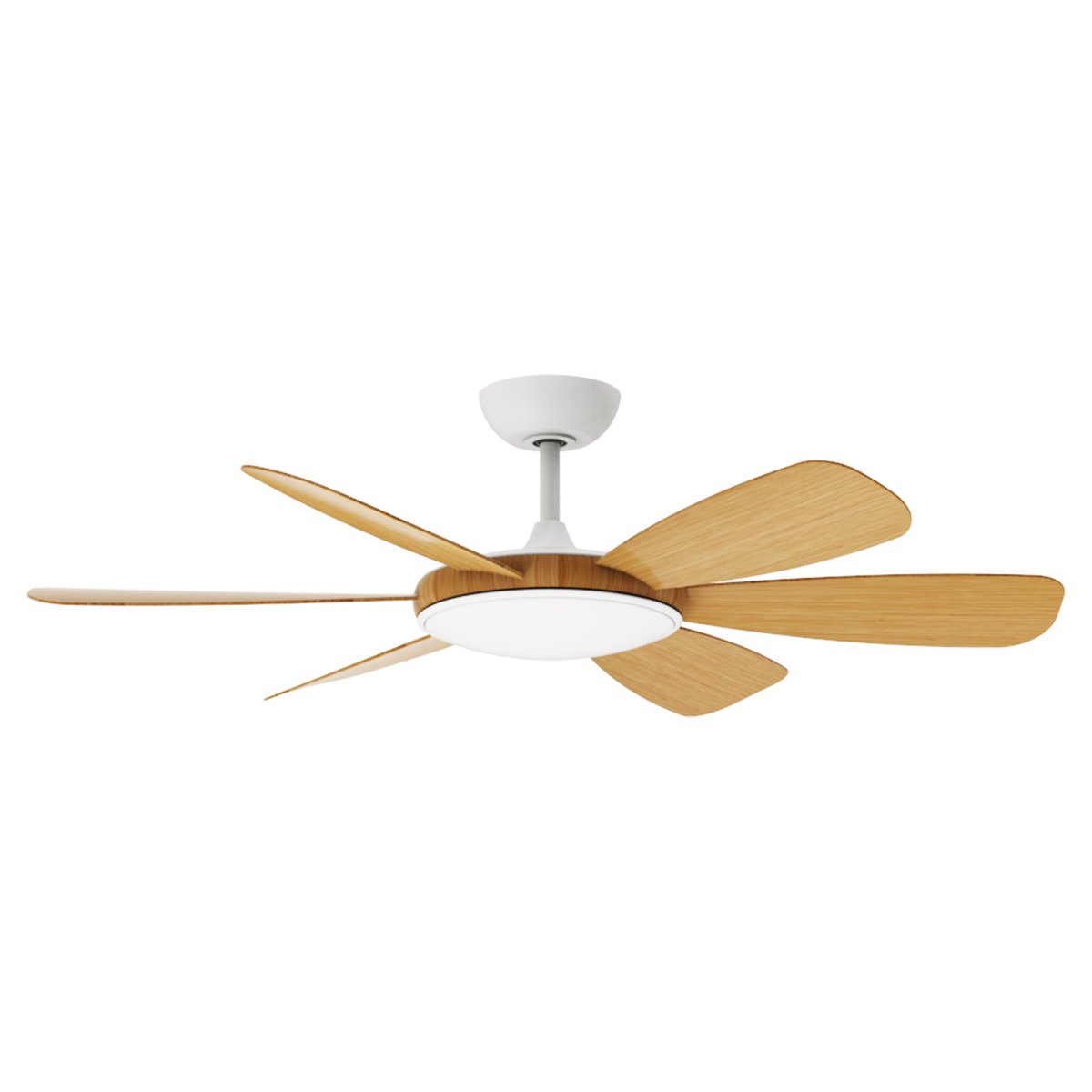
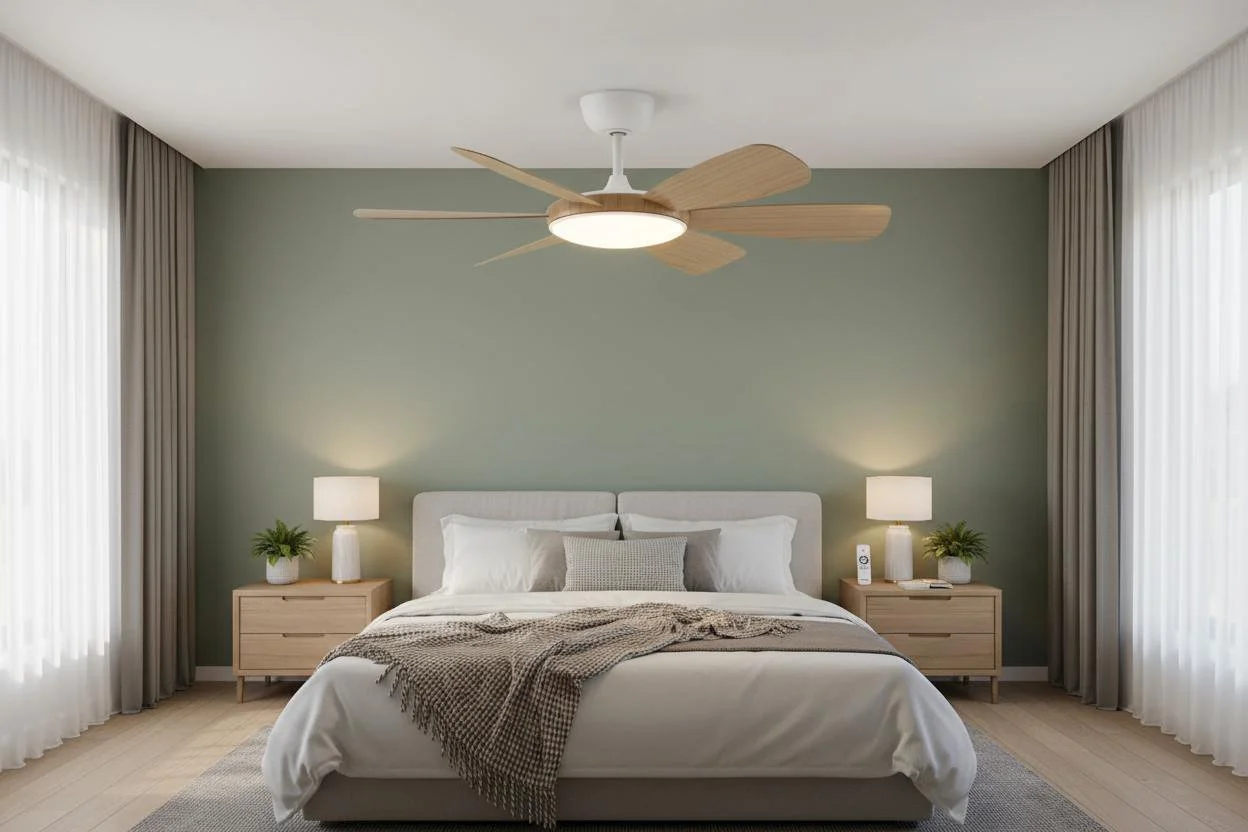
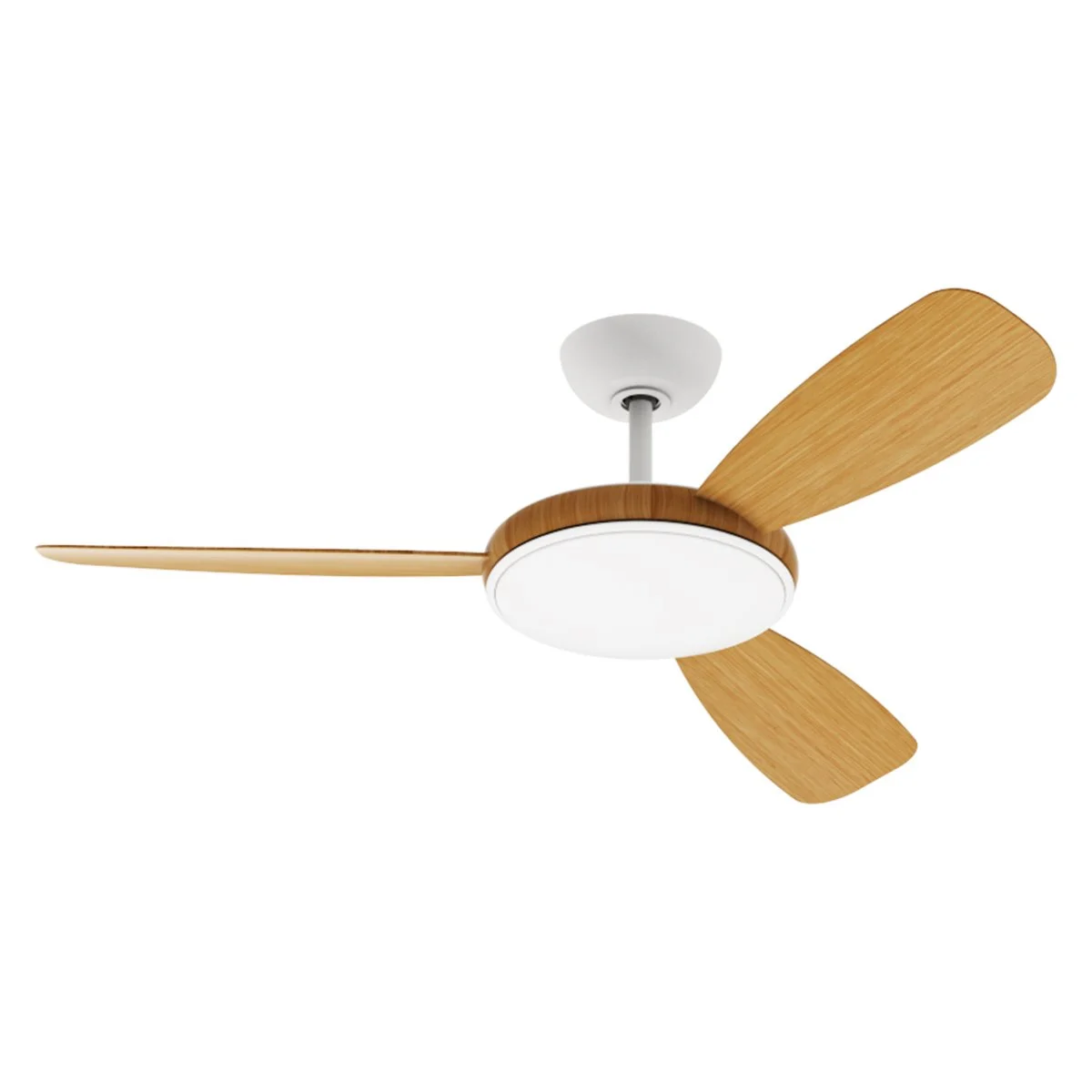
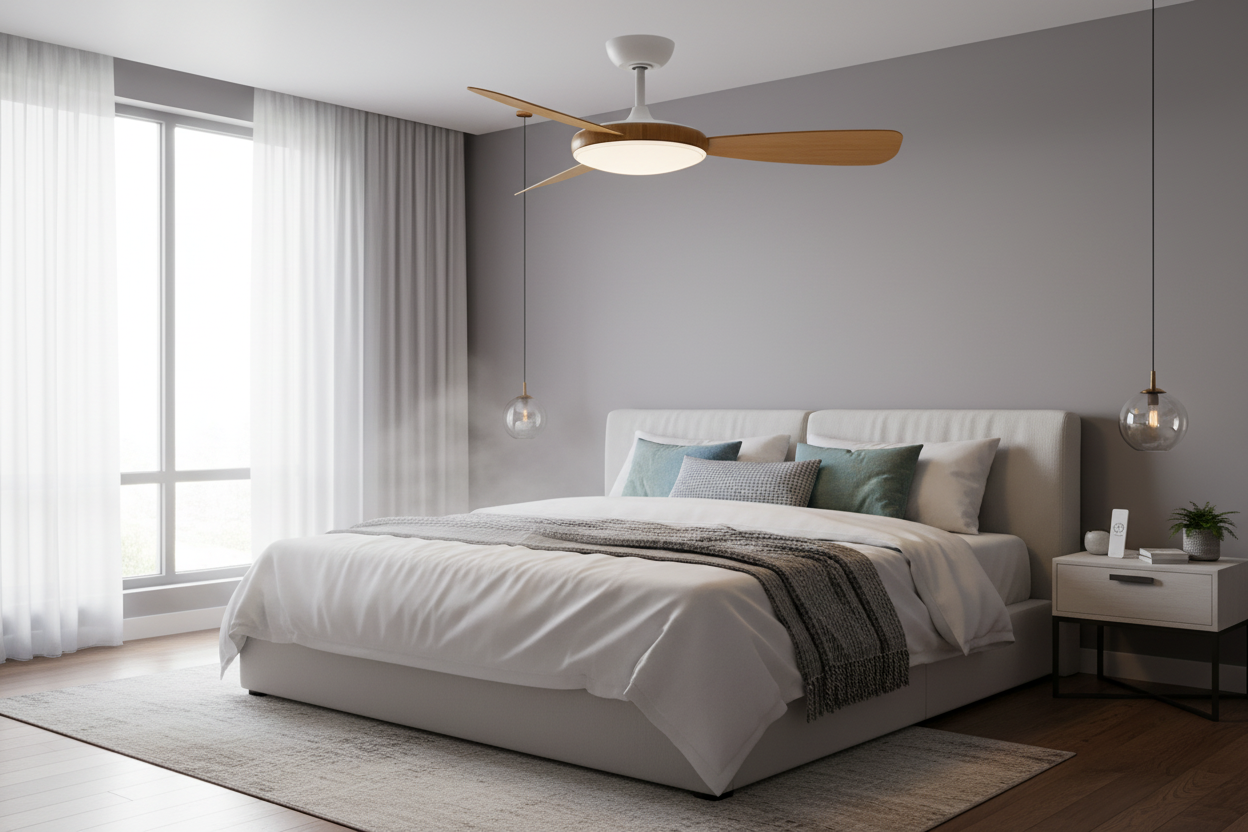
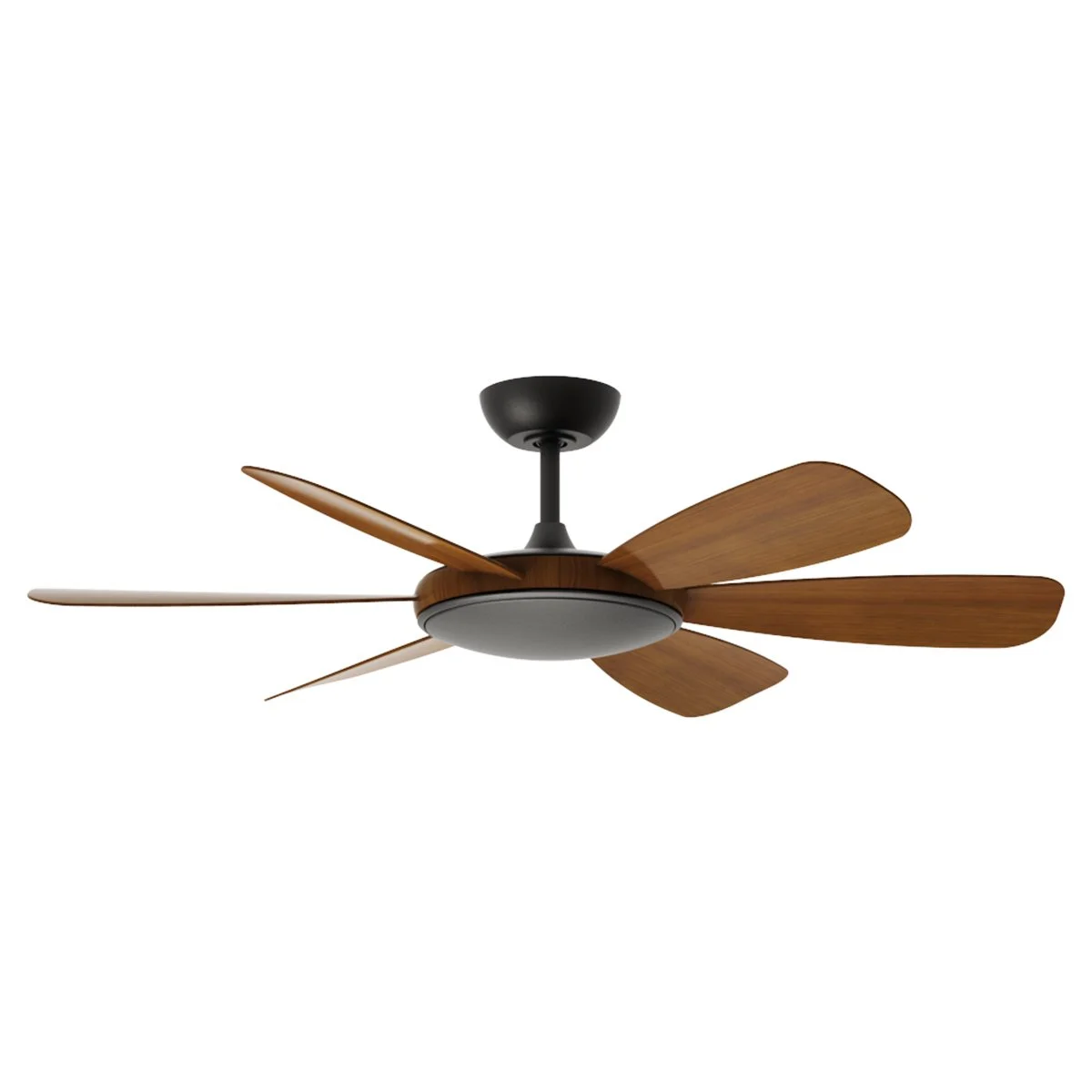
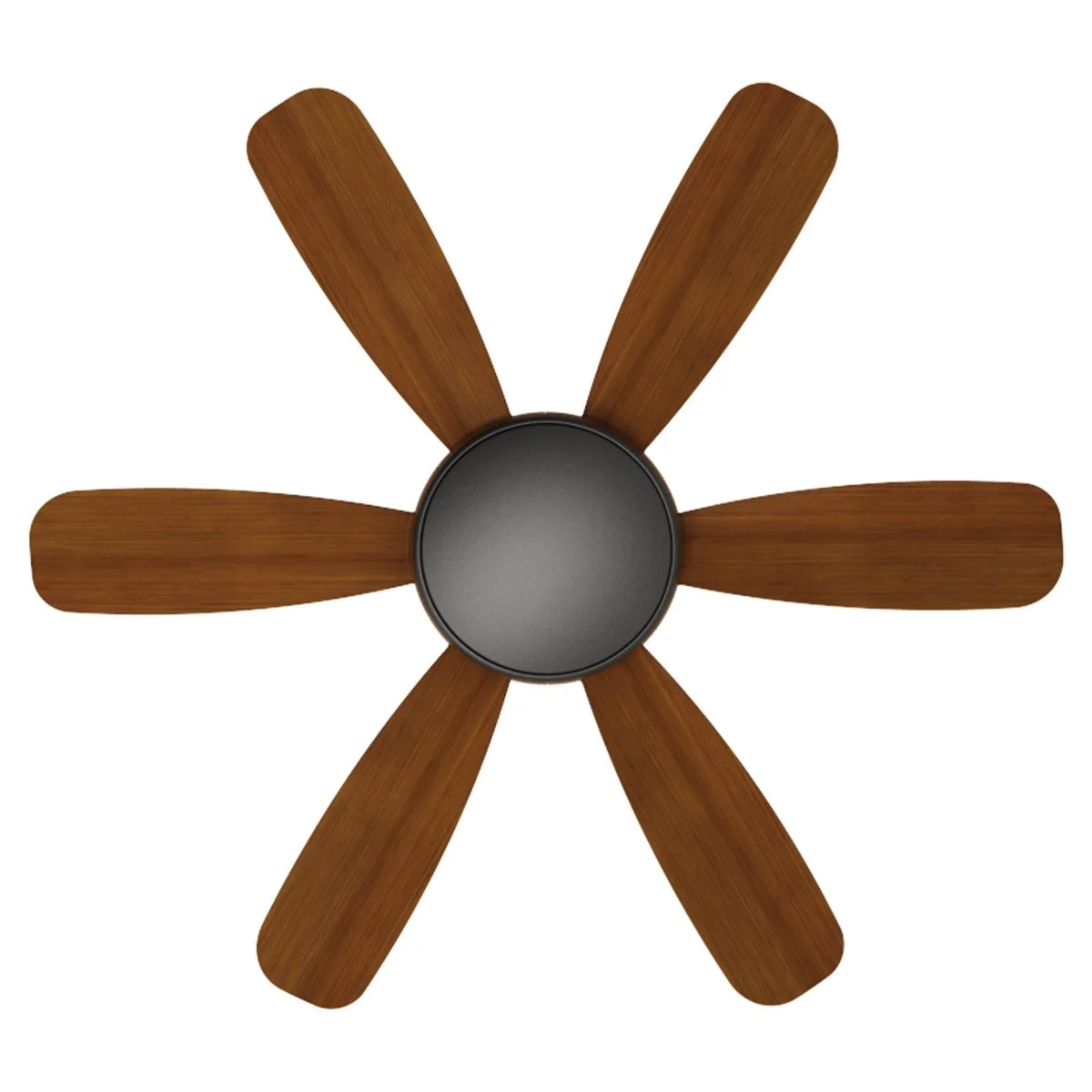
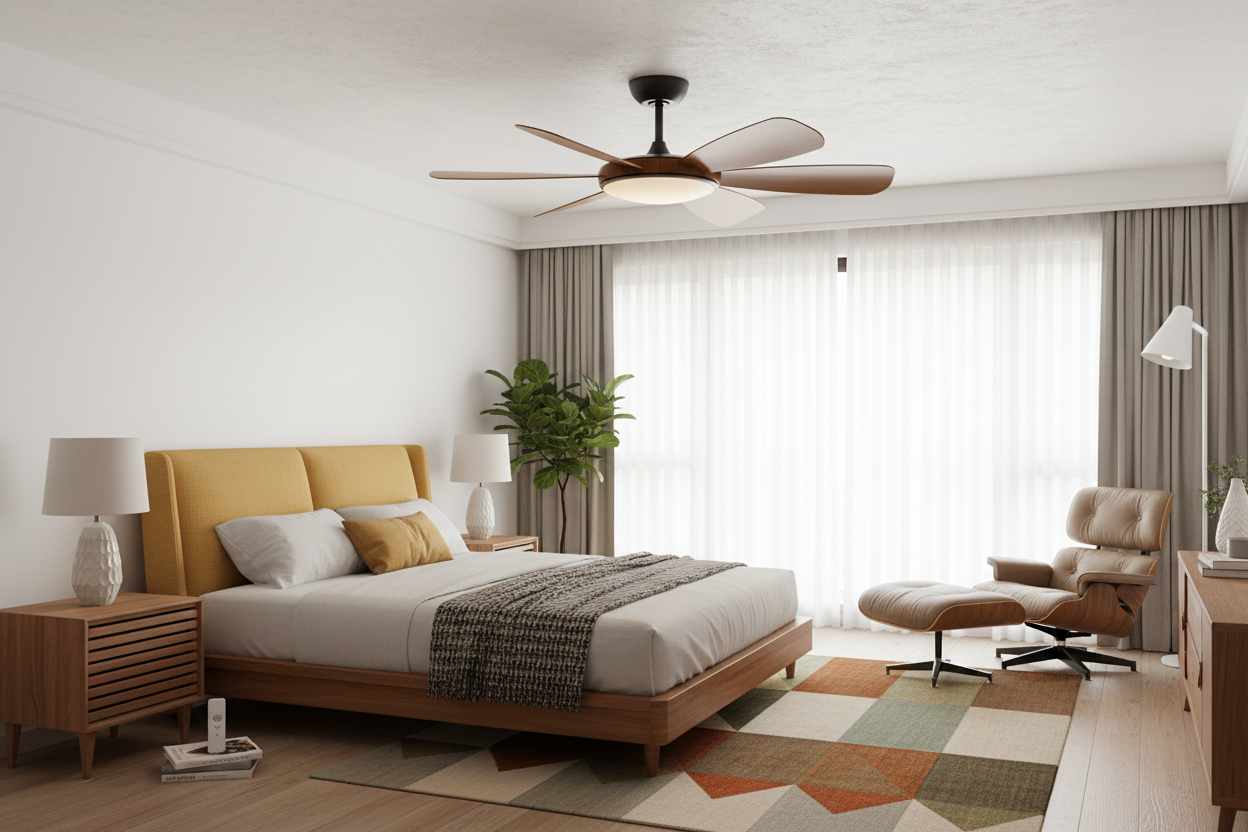
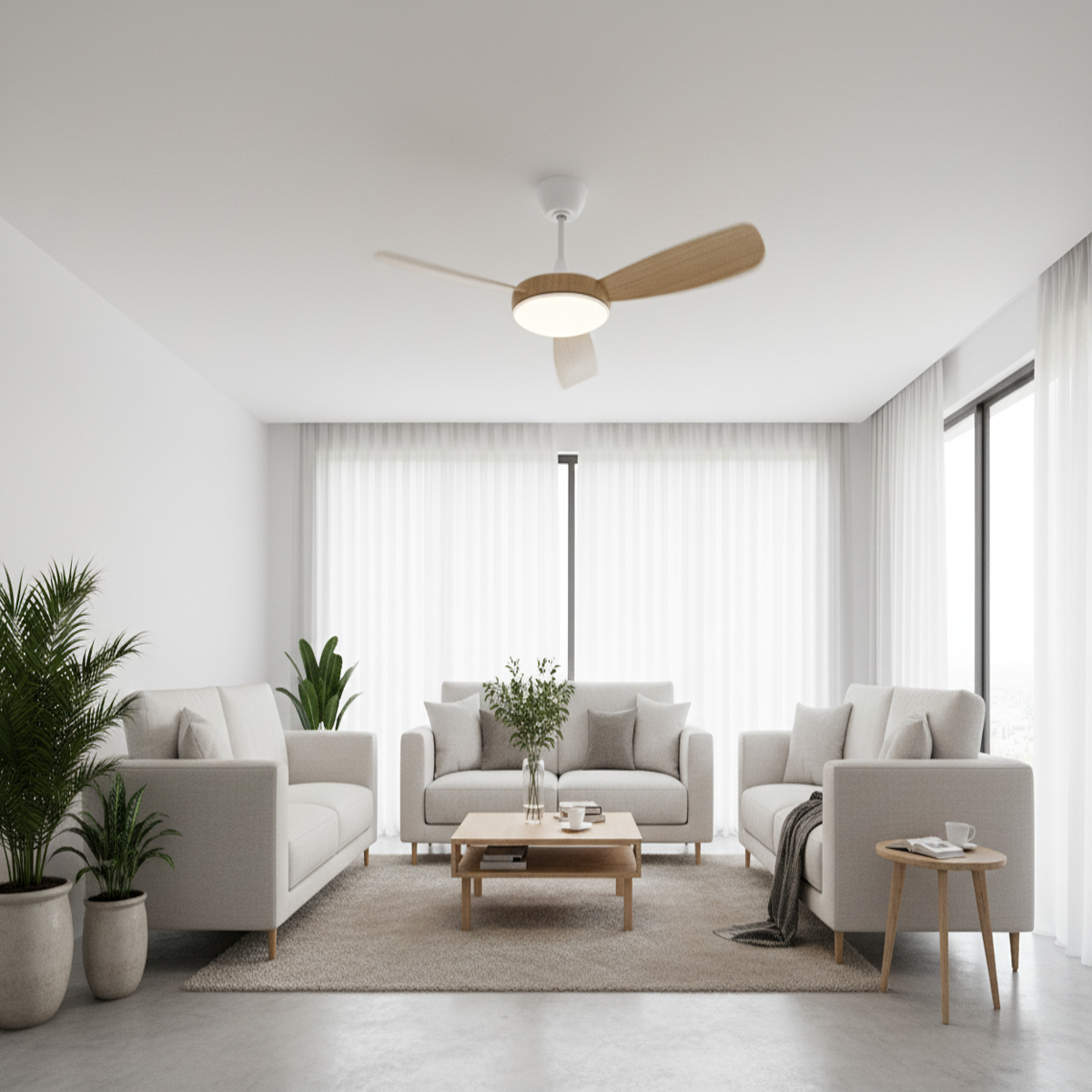
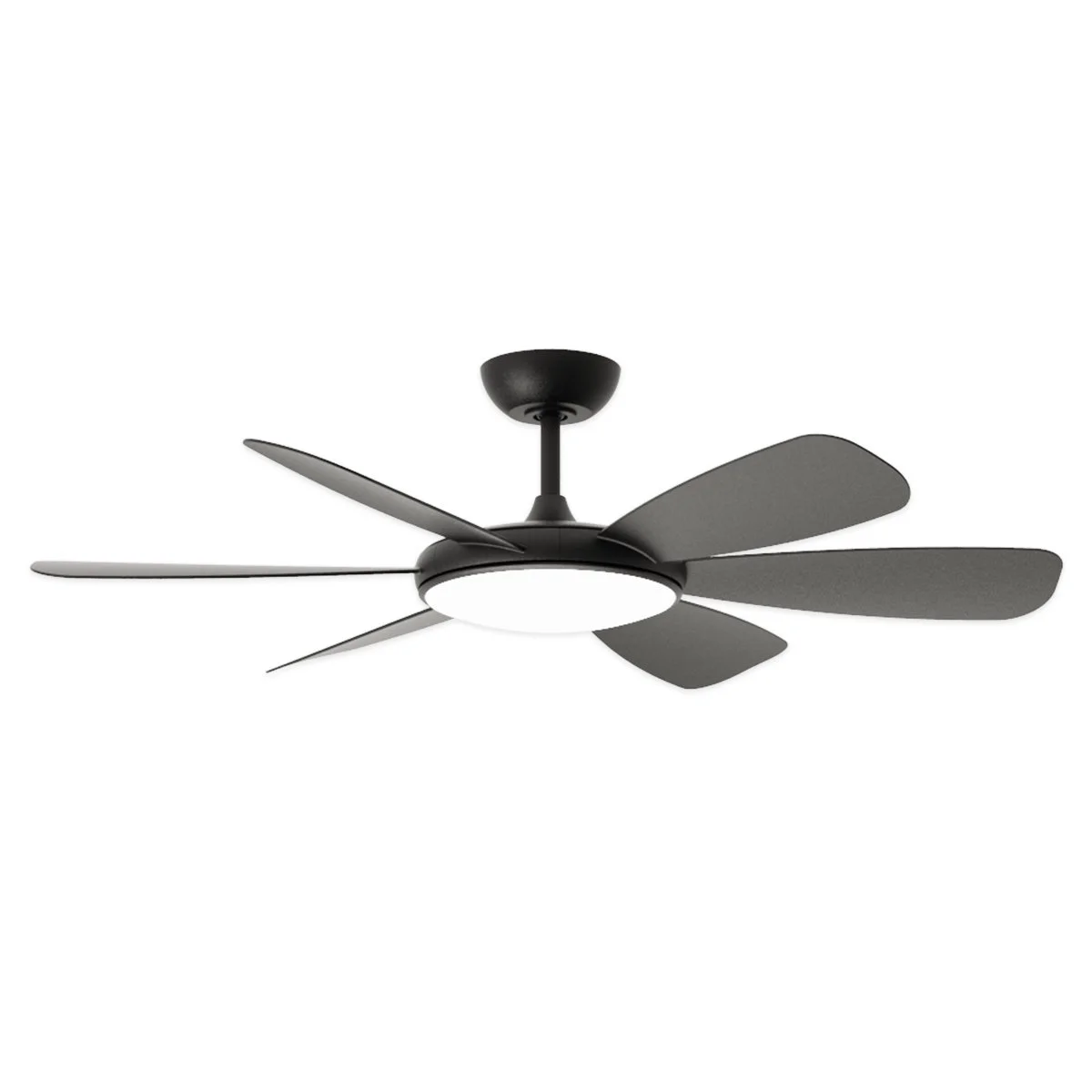
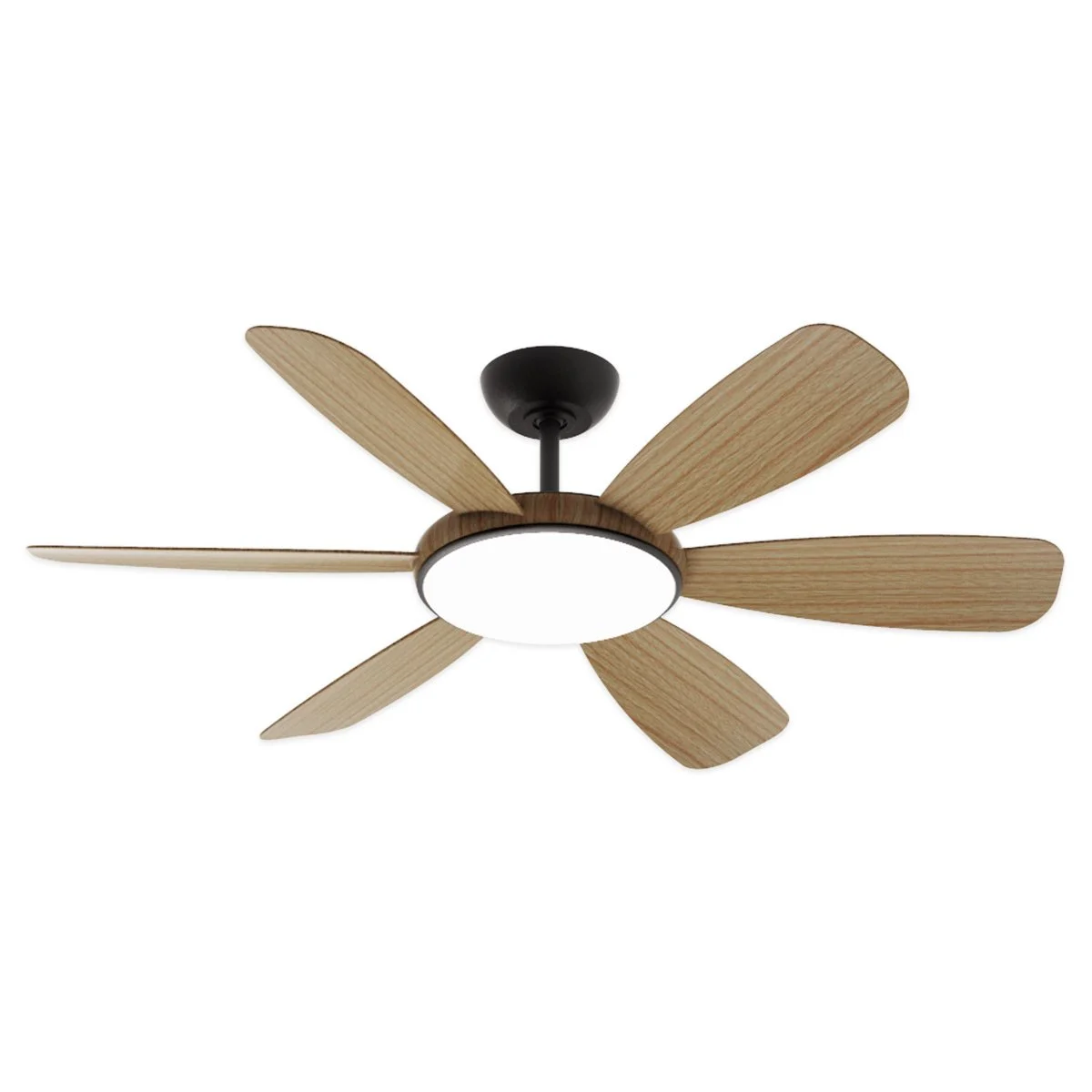
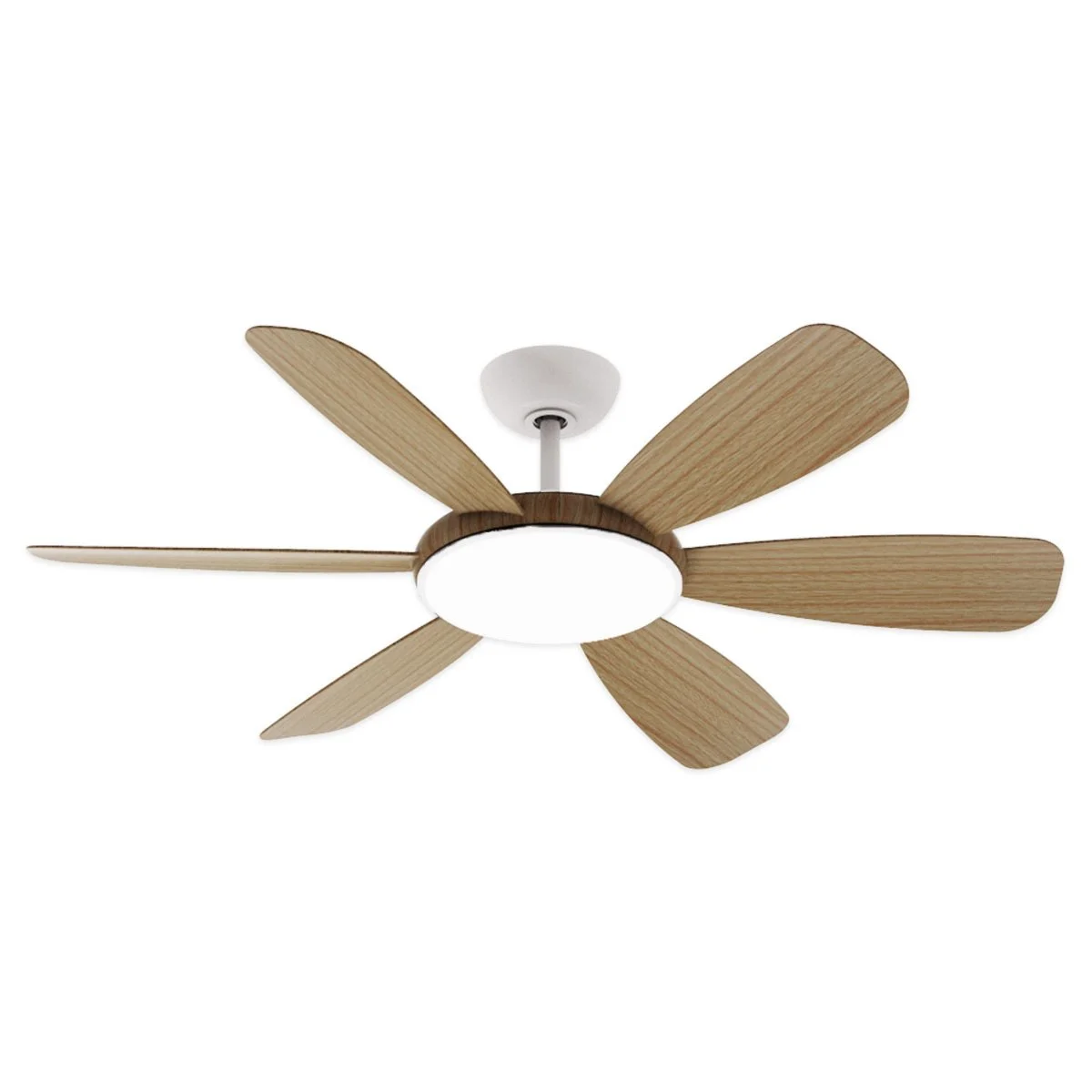
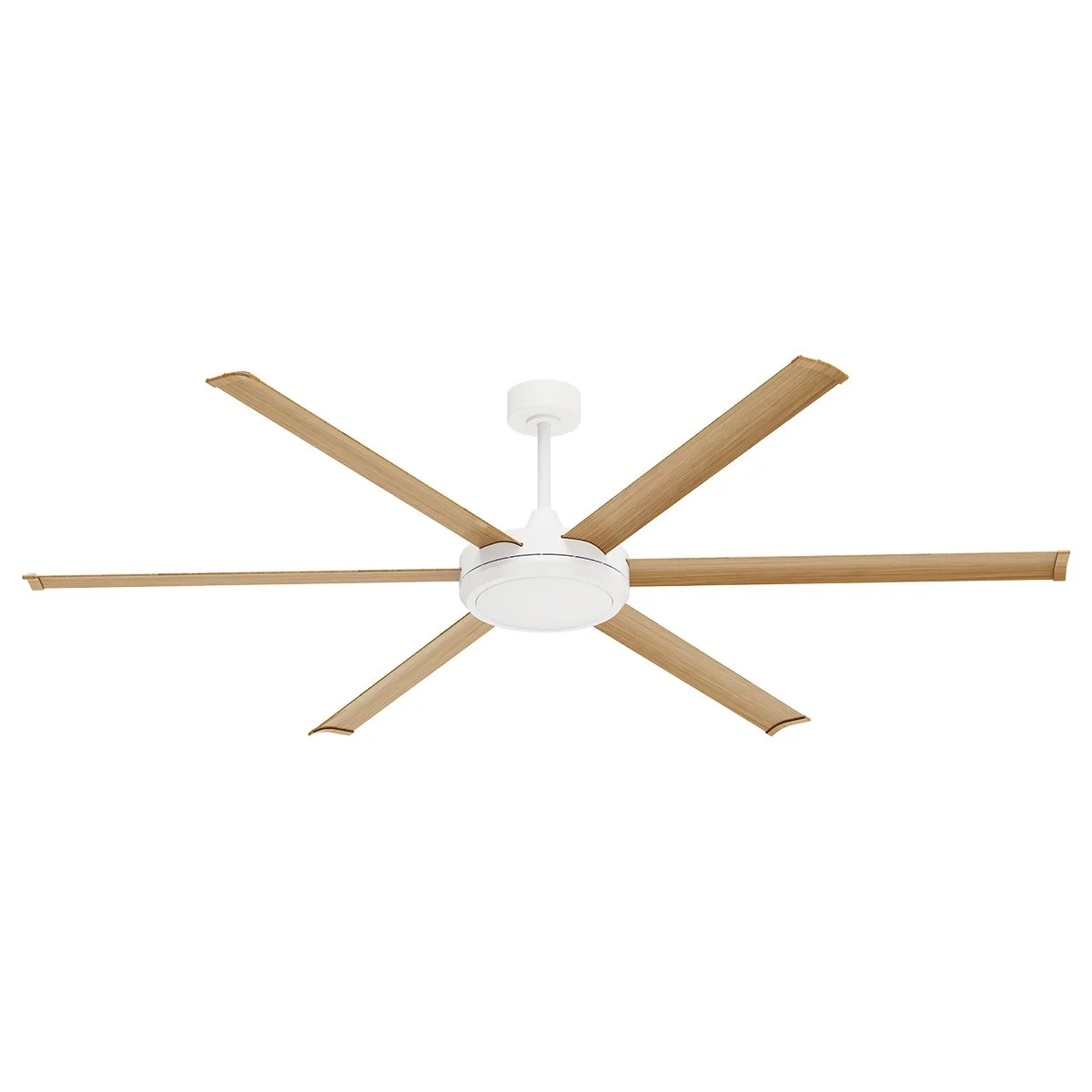
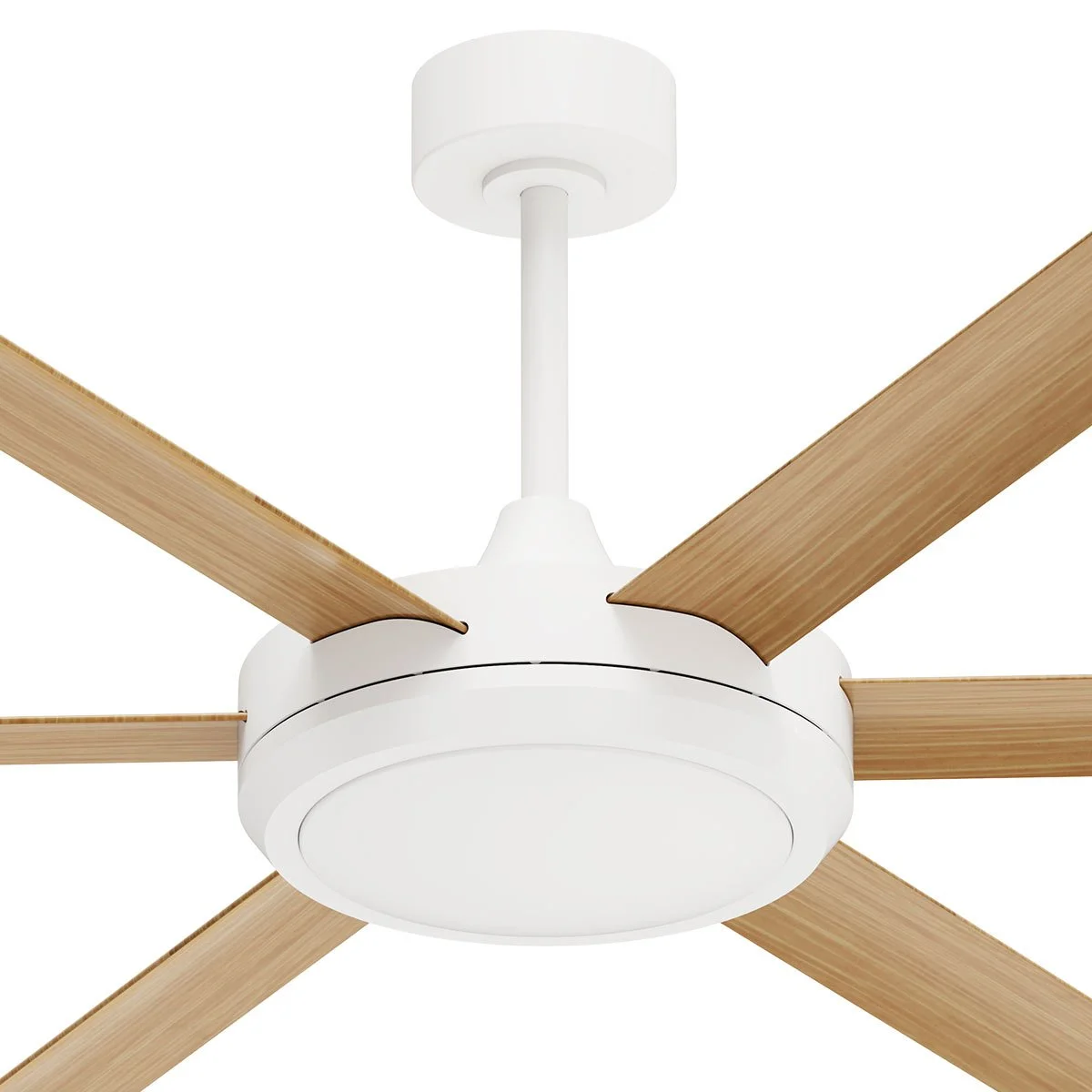
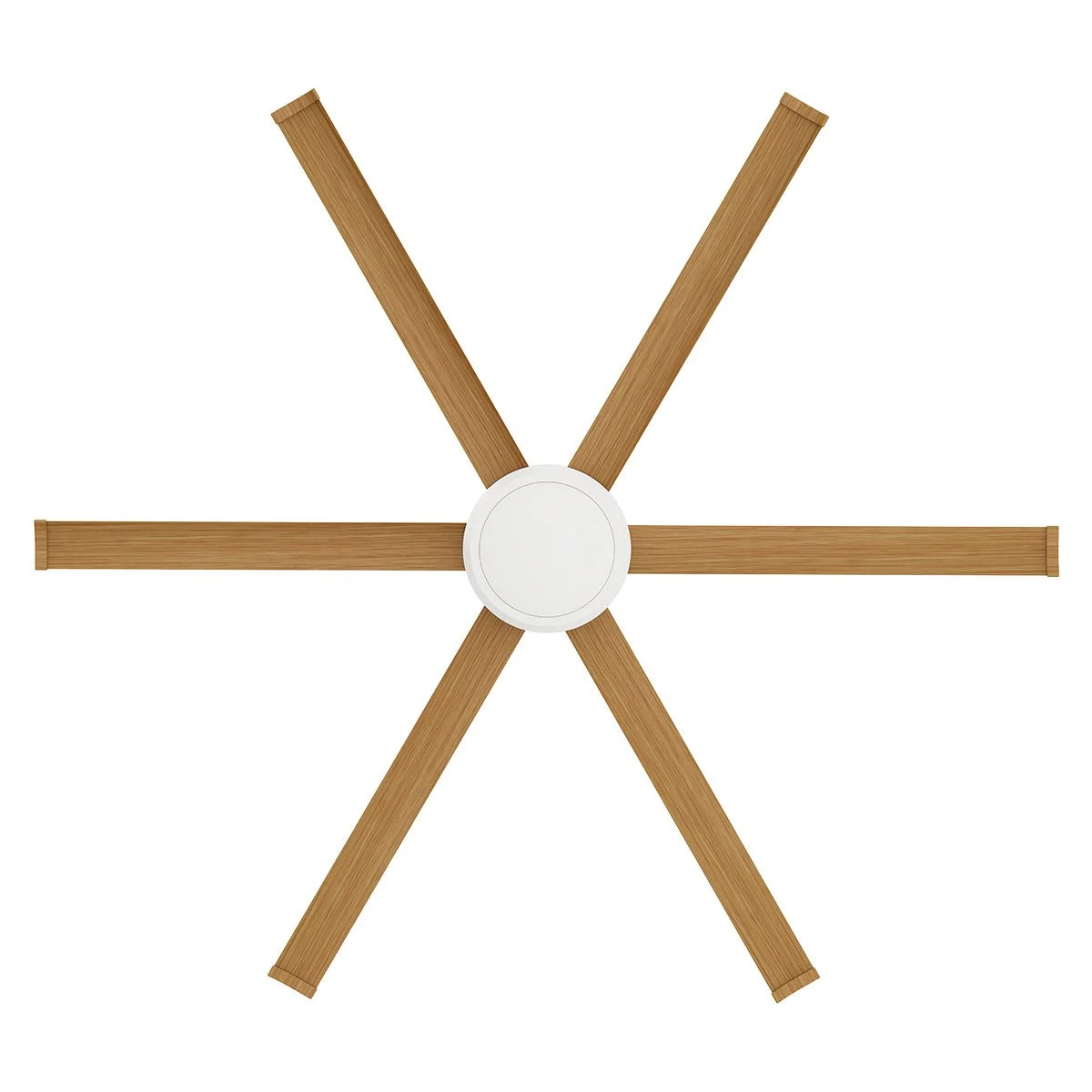
Choosing the right ceiling fan in Australia can feel overwhelming with so many options available. From motor types to mounting styles and smart technology, each ceiling fan offers unique features and benefits. To help you find the perfect fan for your home, we’ve broken down the main types of ceiling fans and what makes each one ideal for different rooms and applications.
1. Ceiling Fans Without Light Kits
Ceiling fans without lights are perfect if your room already has sufficient illumination from LED downlights, wall lights, or other fixtures.
Benefits:
Cost-effective and budget-friendly option
Provides the same airflow and performance as fans with lights
Available in modern, contemporary, and traditional designs
Ideal for bedrooms, living areas, and kitchens where lighting is already sufficient
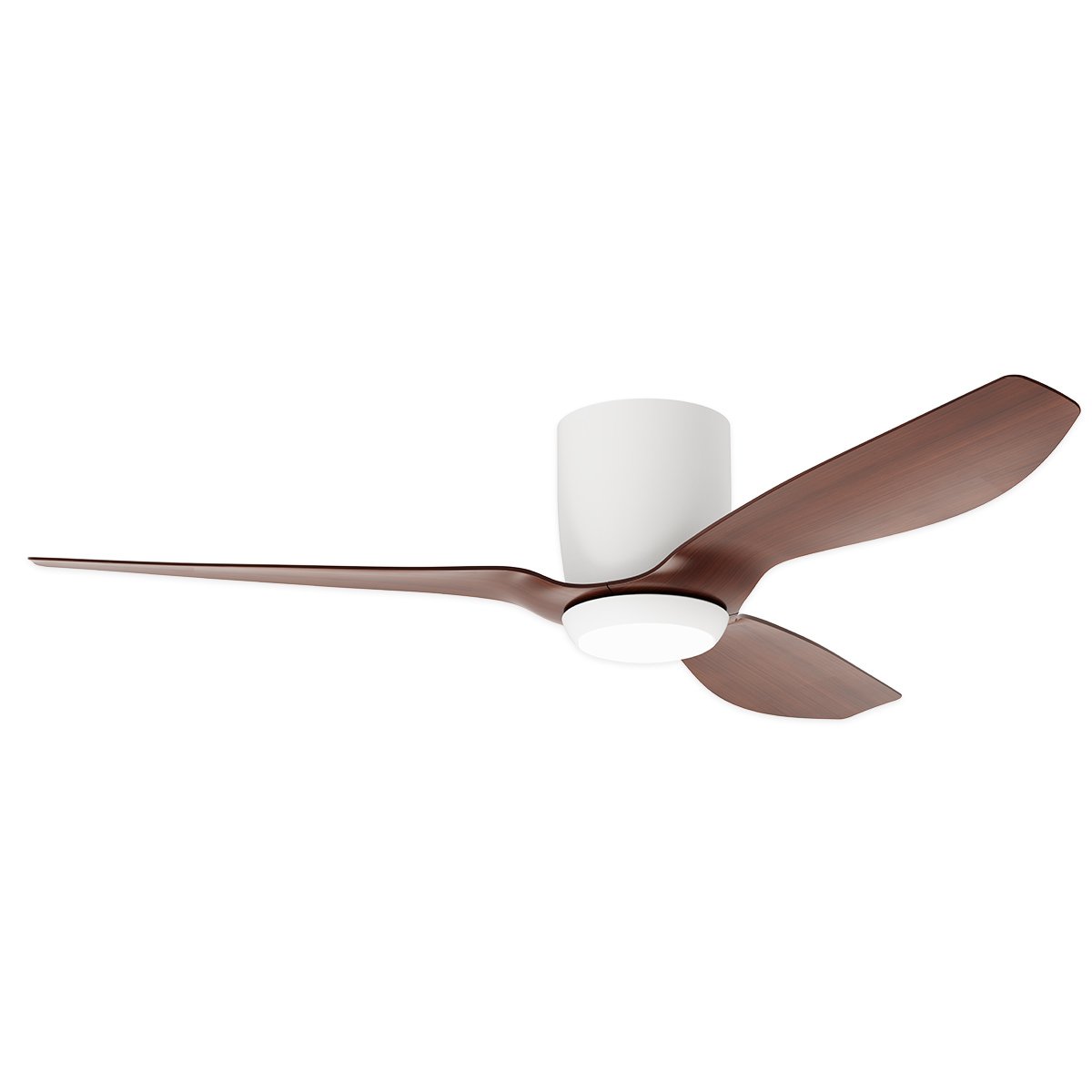
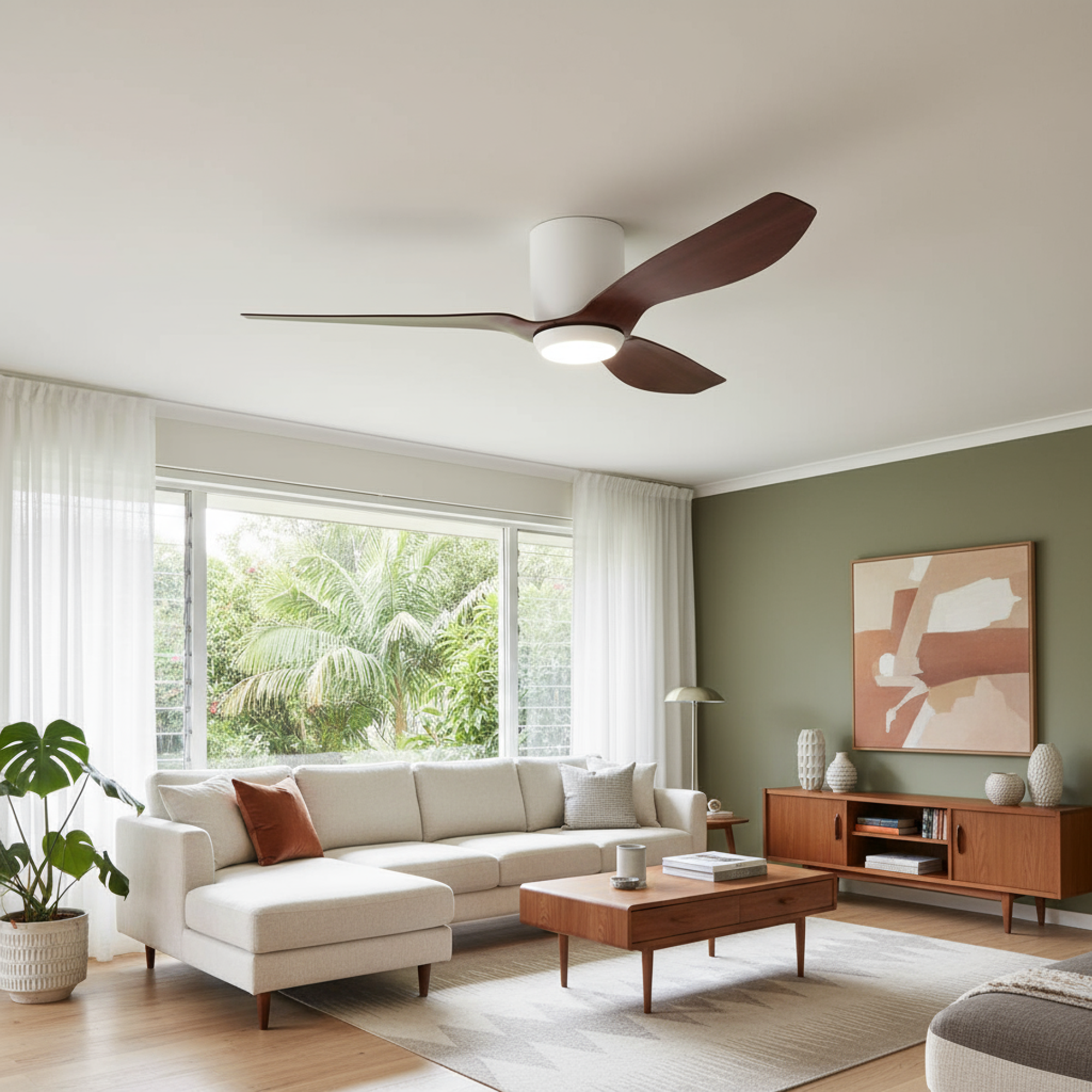
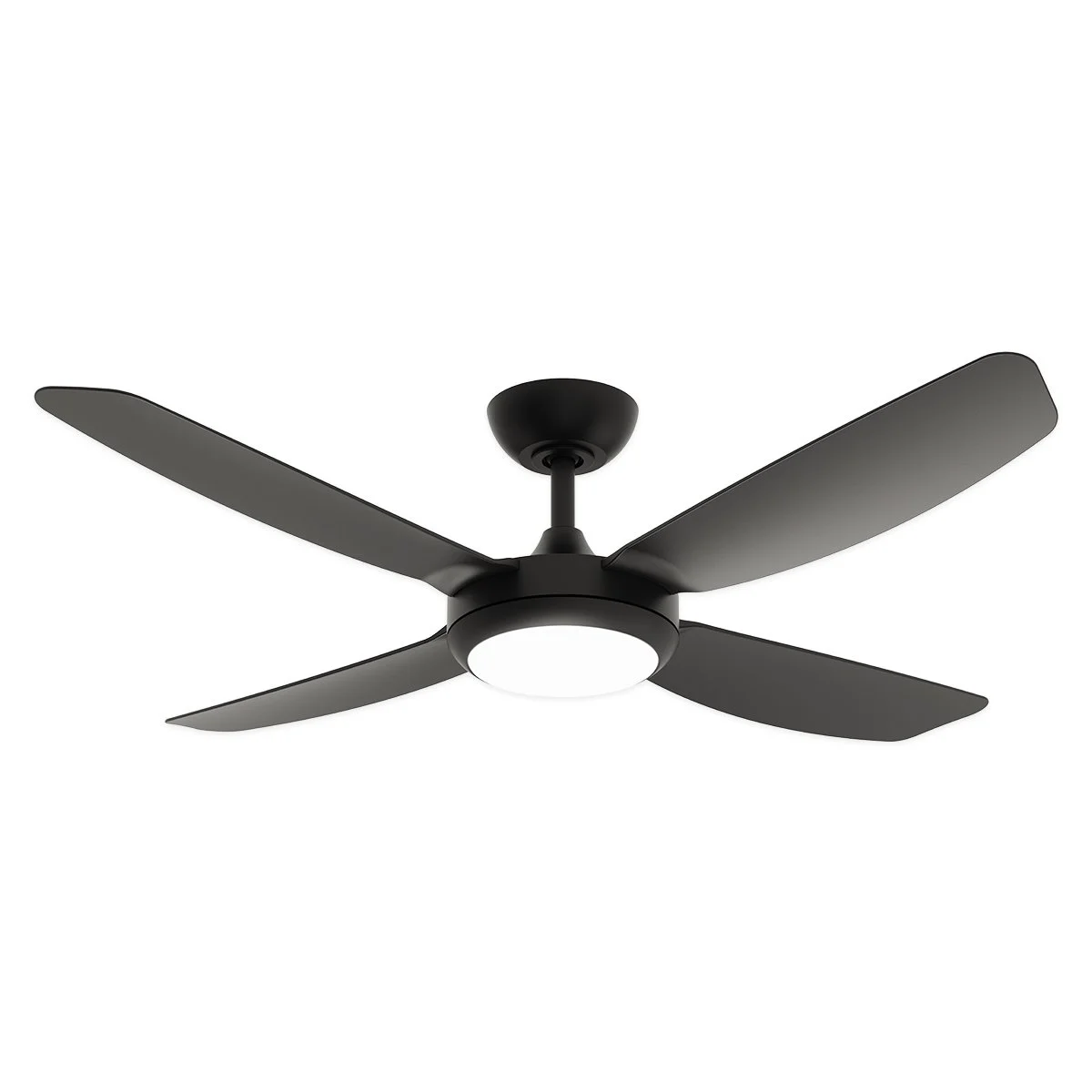
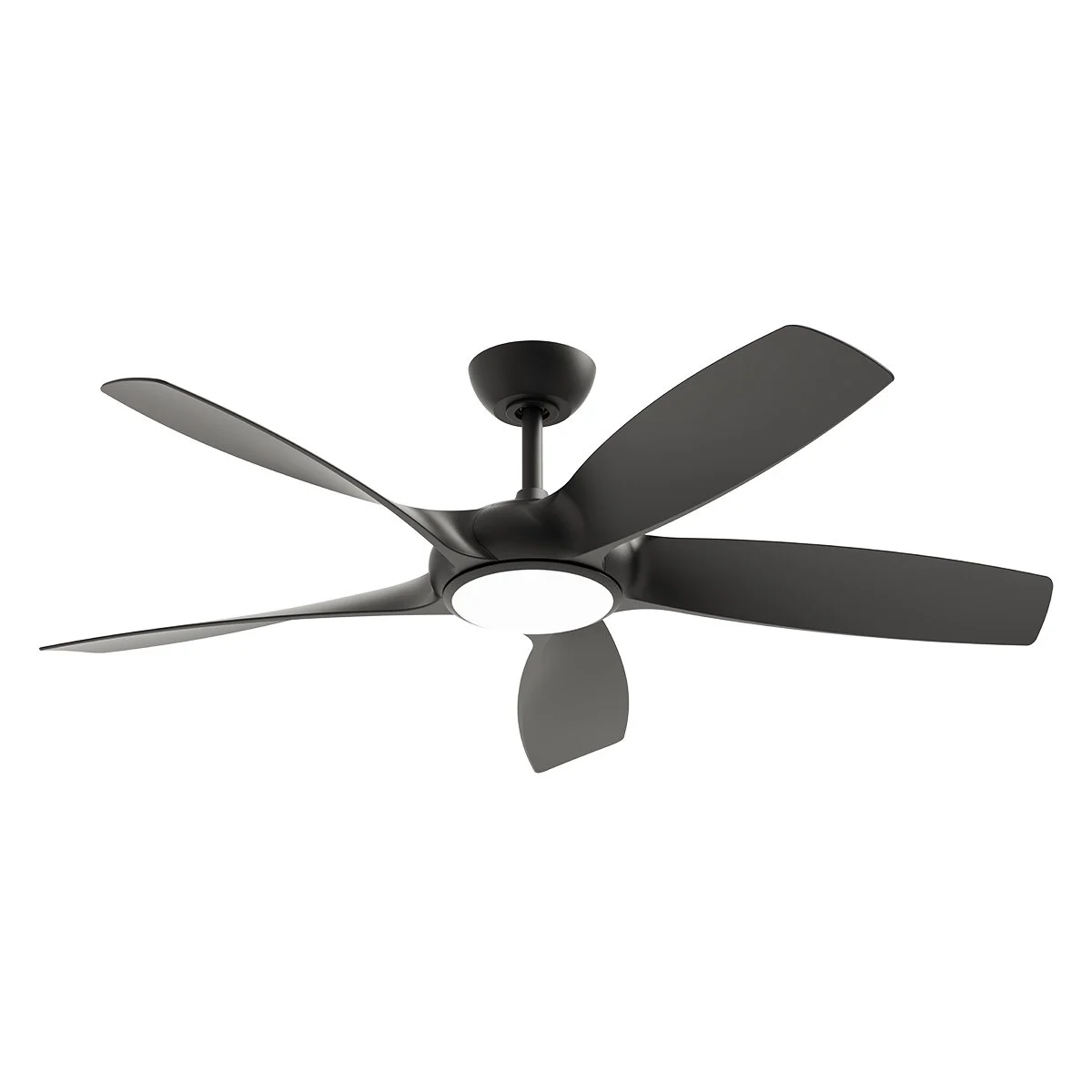
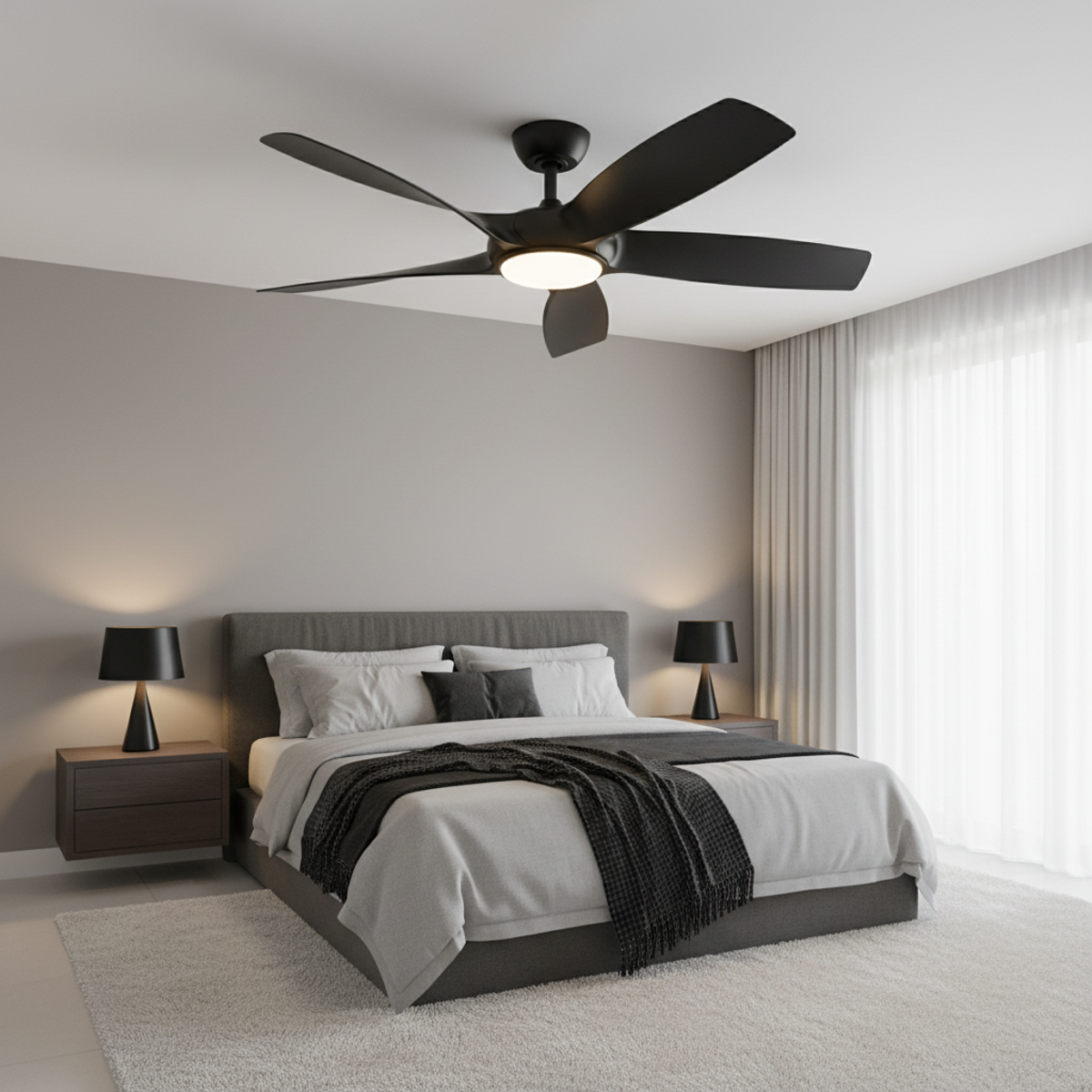
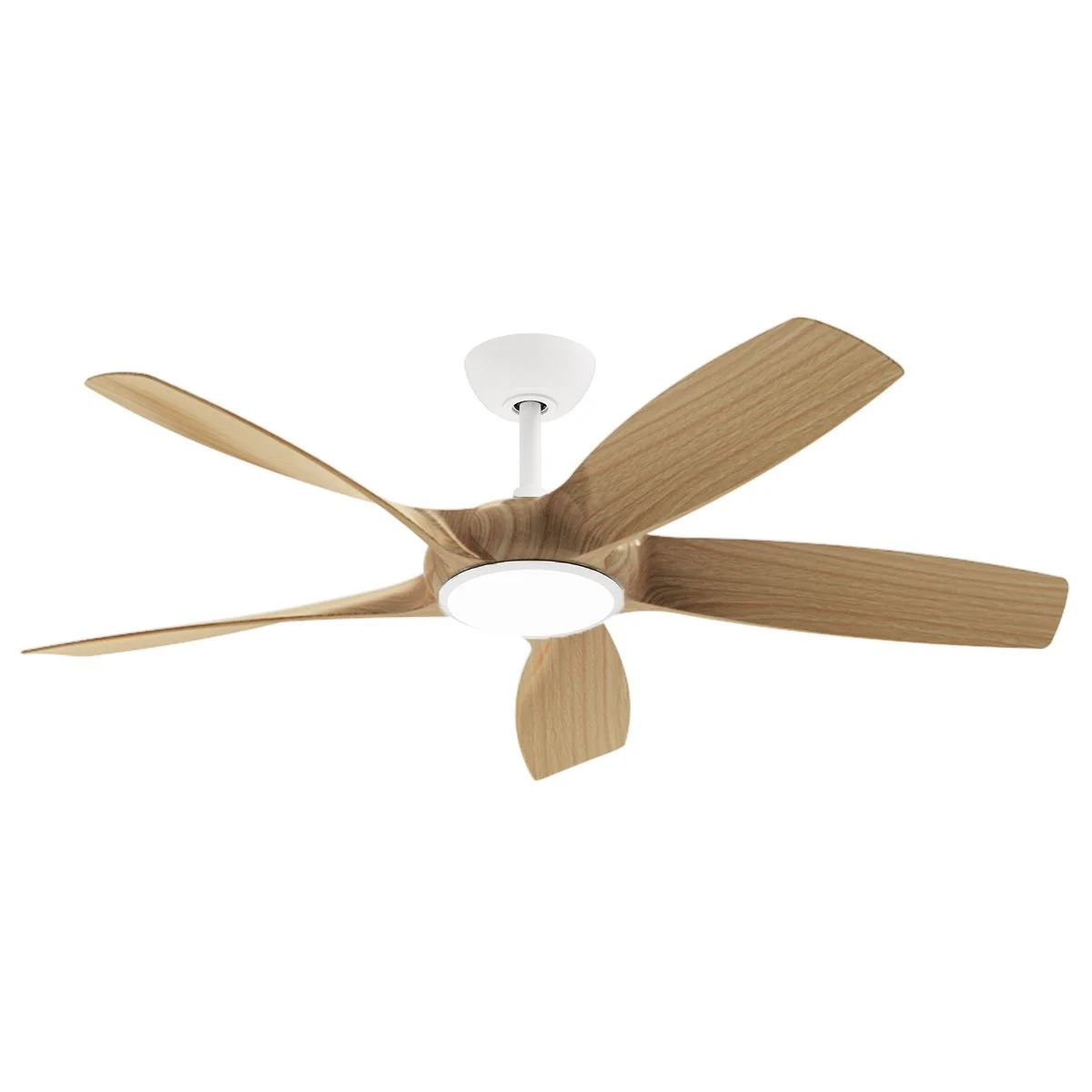
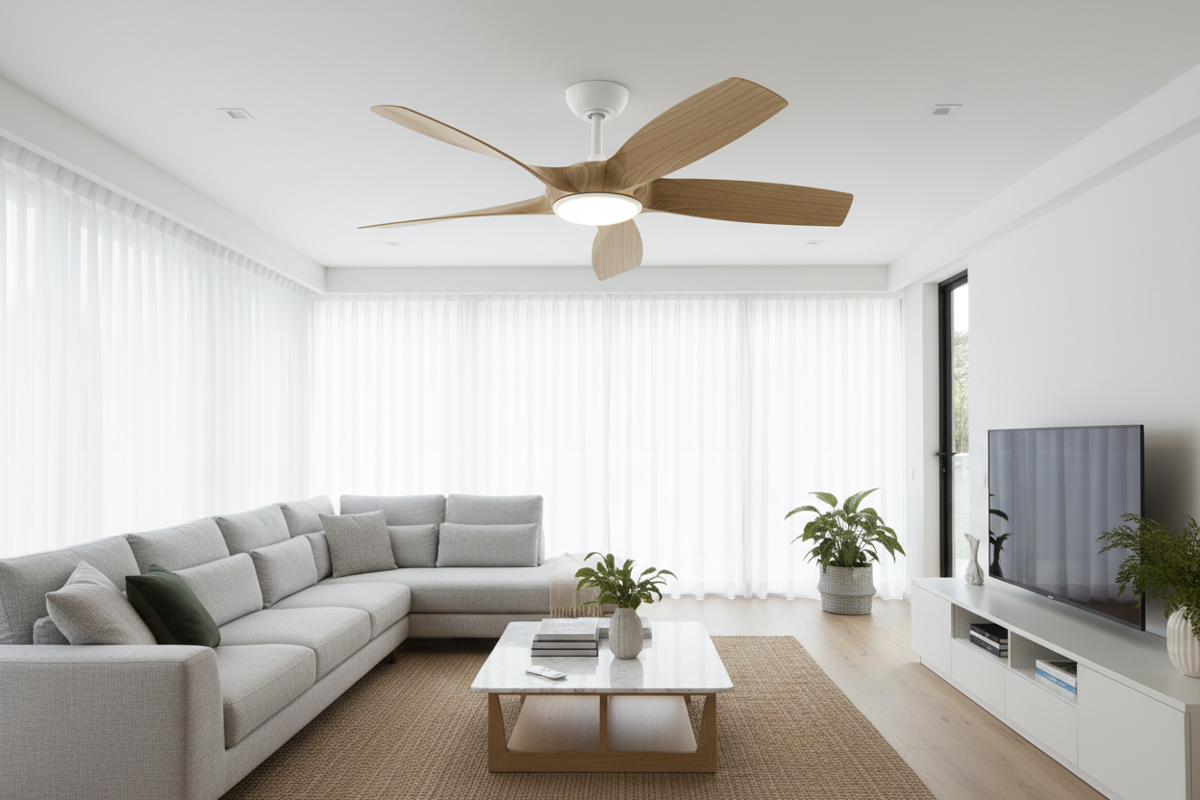
2. Ceiling Fans With Light Kits
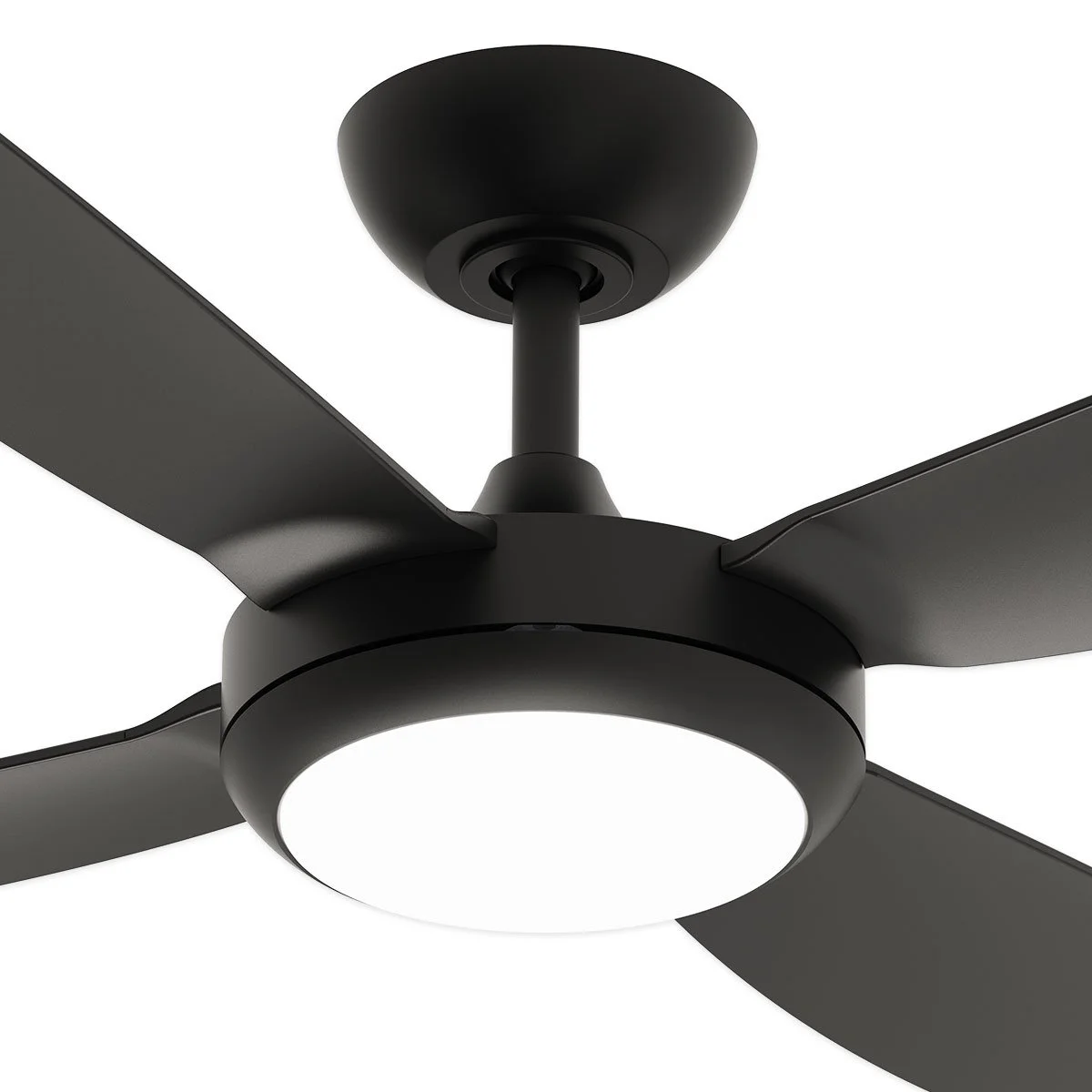
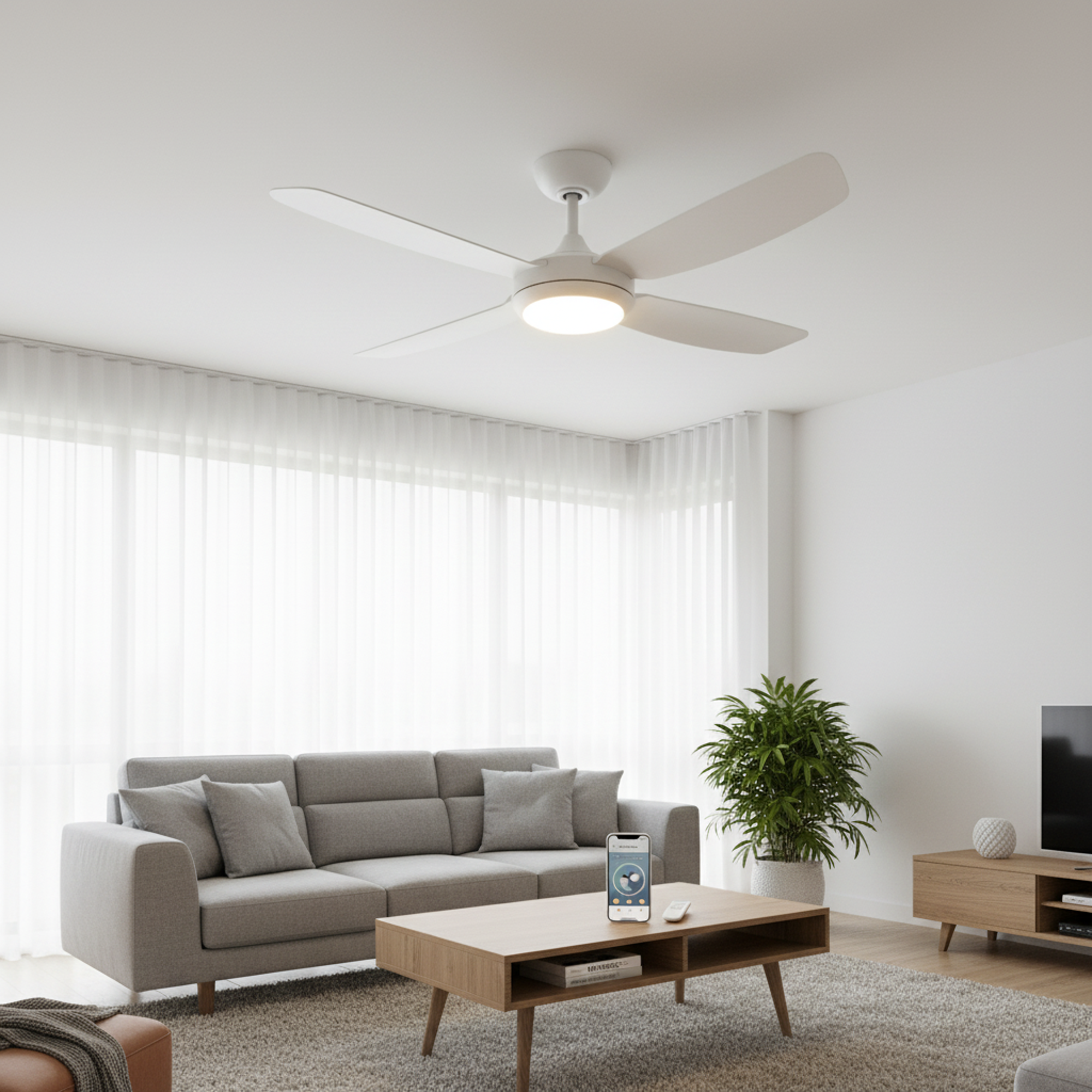
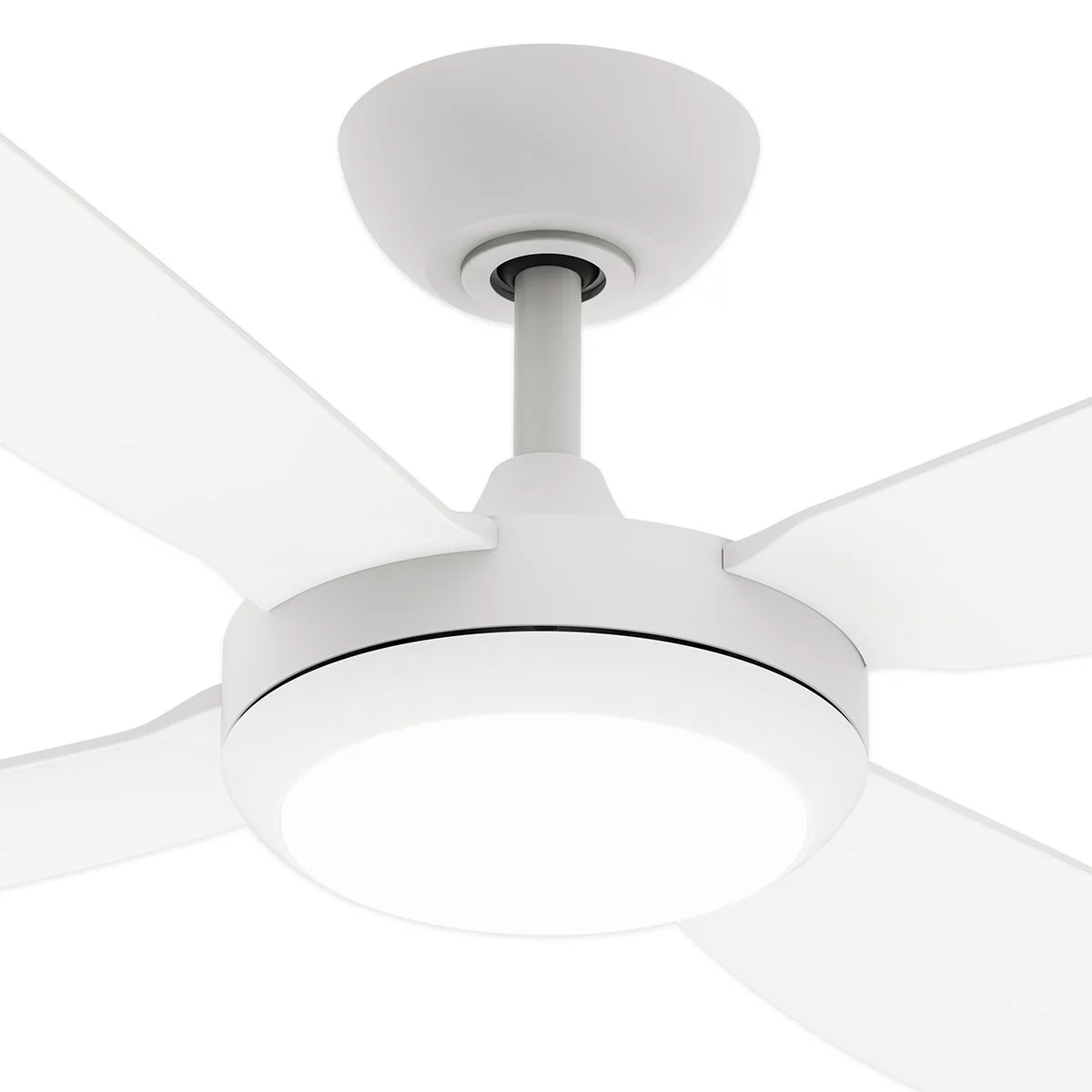
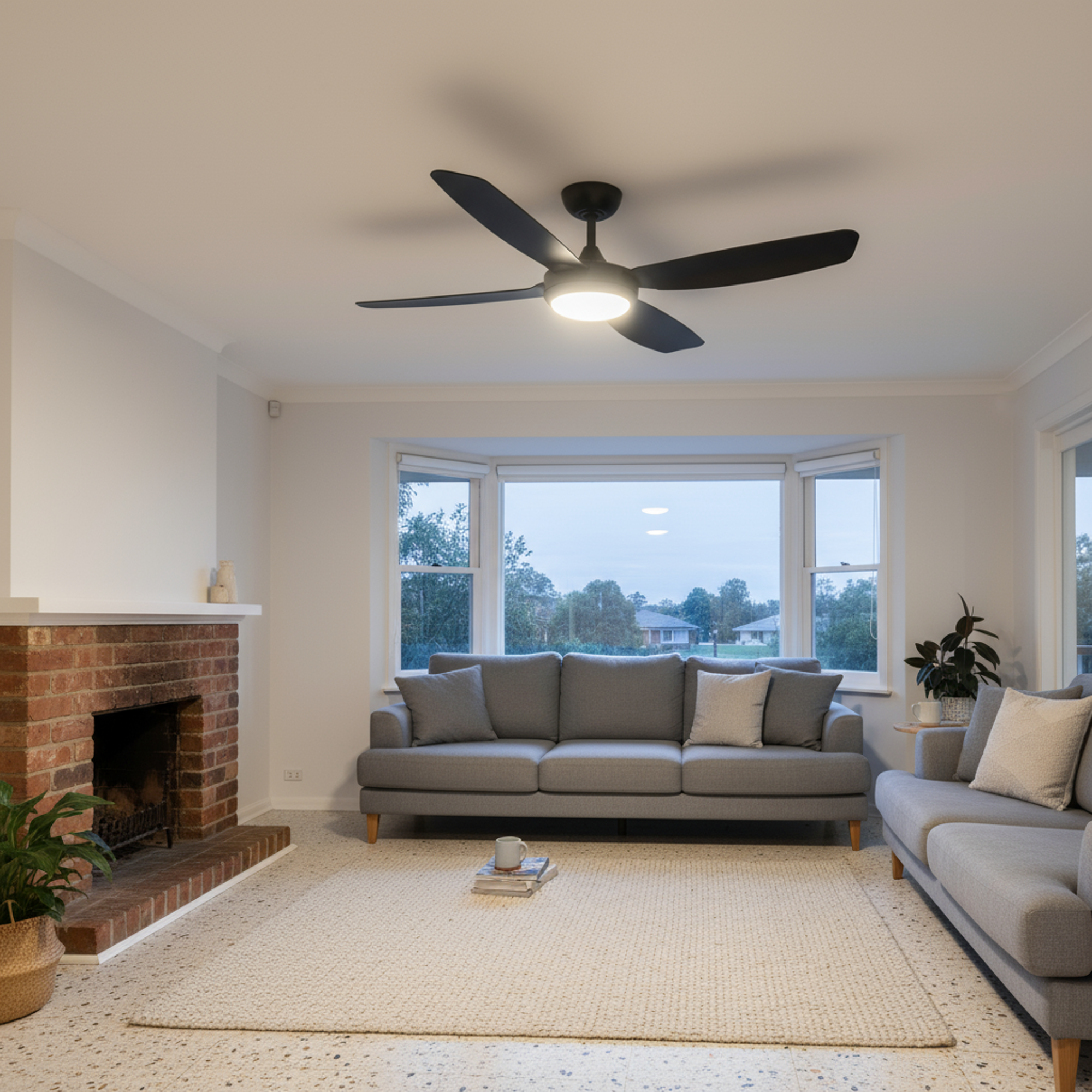
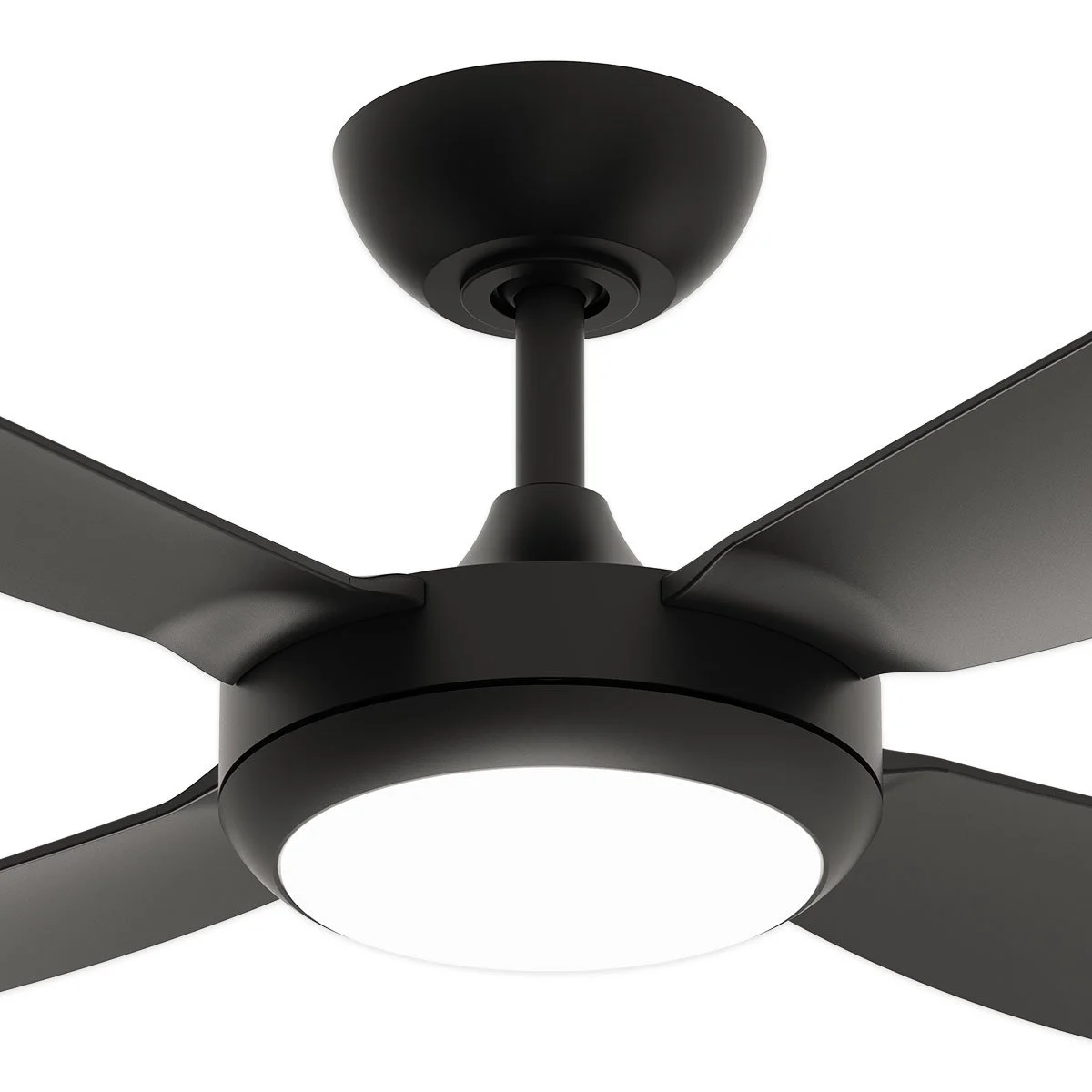
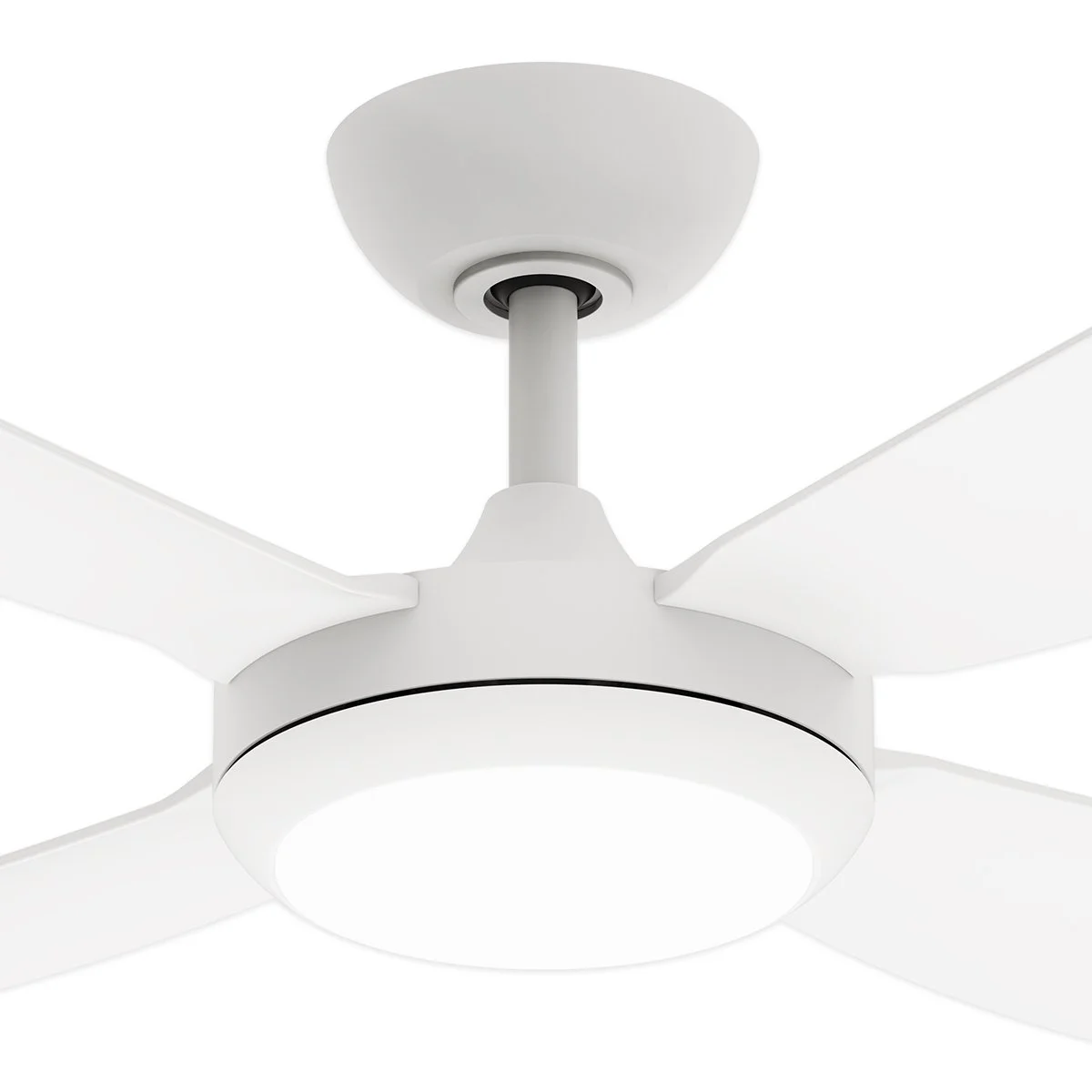
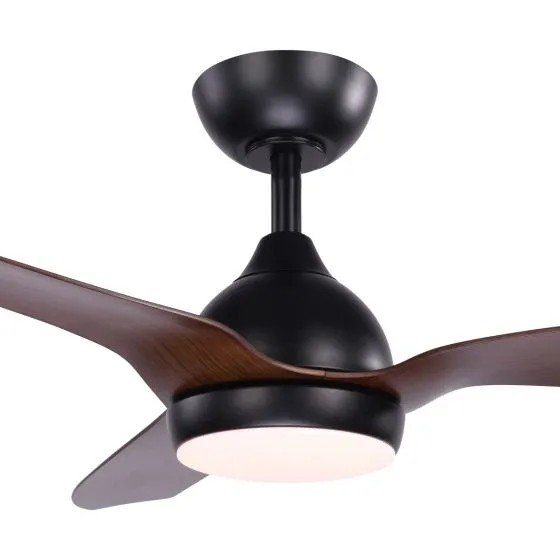
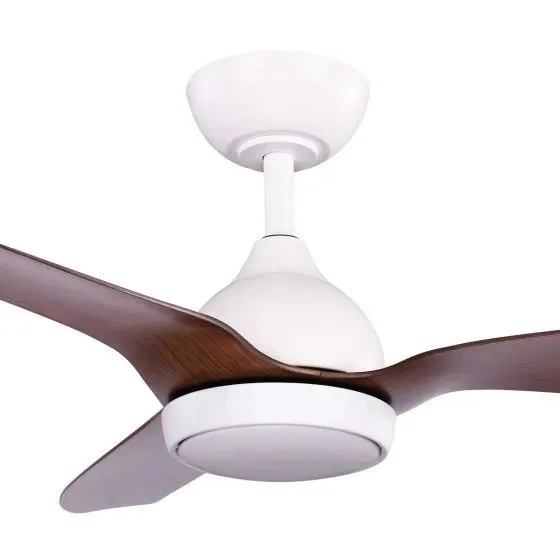
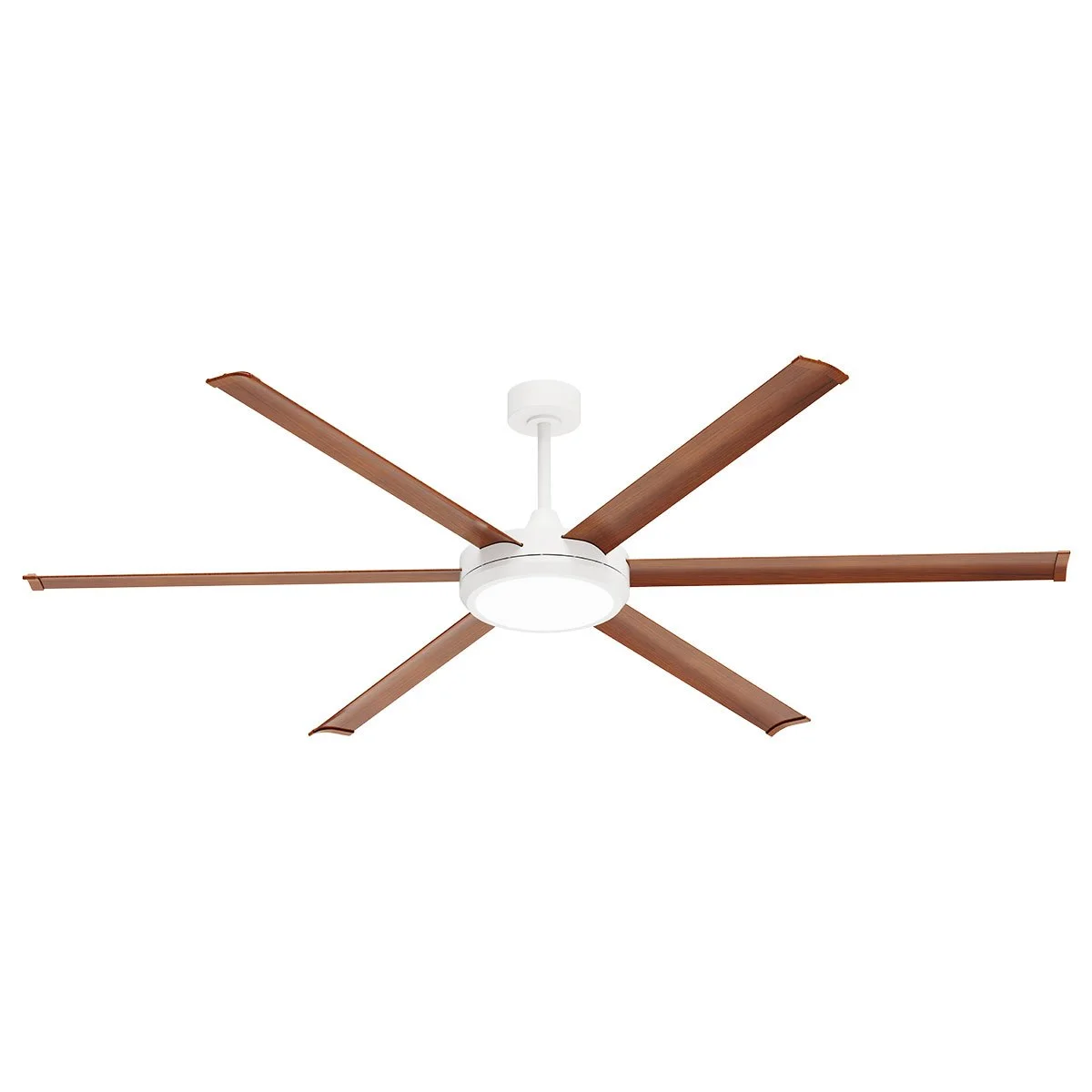
Ceiling fans with lights are a smart choice when a room needs both cooling and illumination. Many modern fans come with energy-efficient LED light kits, which offer:
Brighter, long-lasting lighting with lower energy usage
Multiple colour temperatures, from warm to cool, to suit your decor
A combination of cooling and lighting in one stylish fixture
These fans are perfect for living rooms, dining areas, and bedrooms where additional lighting is required.
3. Ceiling Fans With Remote Control
Remote-controlled ceiling fans offer convenience and ease of use, especially for bedrooms and living rooms.
Fans without built-in remotes typically rely on wall controls
A remote eliminates the need to get up to adjust speed or turn the fan on/off
Some models allow retrofitting a separate remote if not included
Tip: A remote-controlled fan is especially useful for high ceilings or for creating a comfortable sleep environment.
4. AC vs DC Motor Ceiling Fans
Ceiling fans are available with AC or DC motors, each with unique advantages:
AC Motor Fans:
Directly powered by mains electricity
Generally more affordable and widely available
Reliable, traditional option with a variety of designs
DC Motor Fans:
Convert AC power to DC for energy efficiency
Use up to 70% less electricity, reducing running costs
Offer advanced features like variable speed control, reverse airflow, and remote operation
Sleek, lightweight designs suitable for modern interiors
Tip: DC ceiling fans are ideal for energy-conscious Australian homeowners who want long-term cost savings.
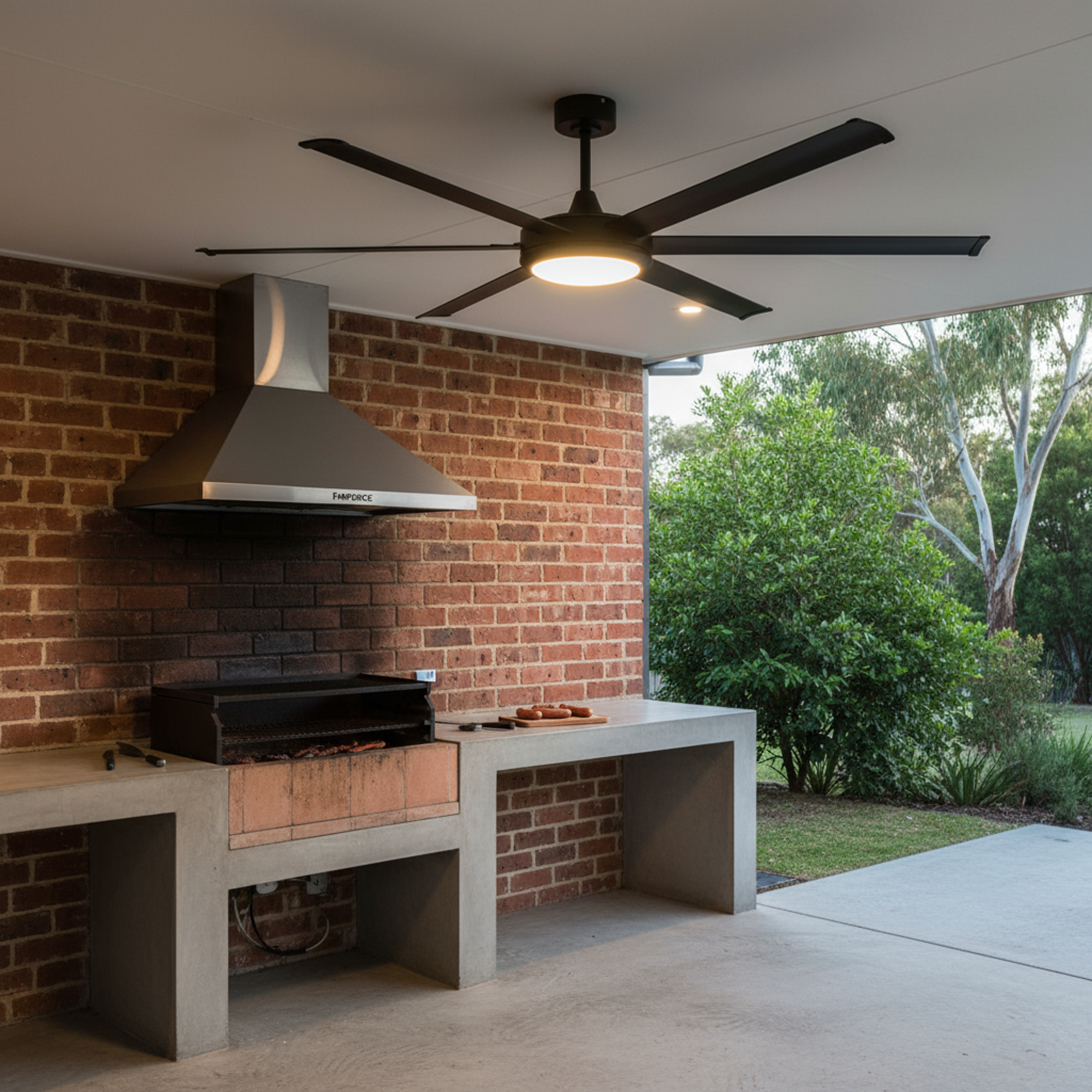
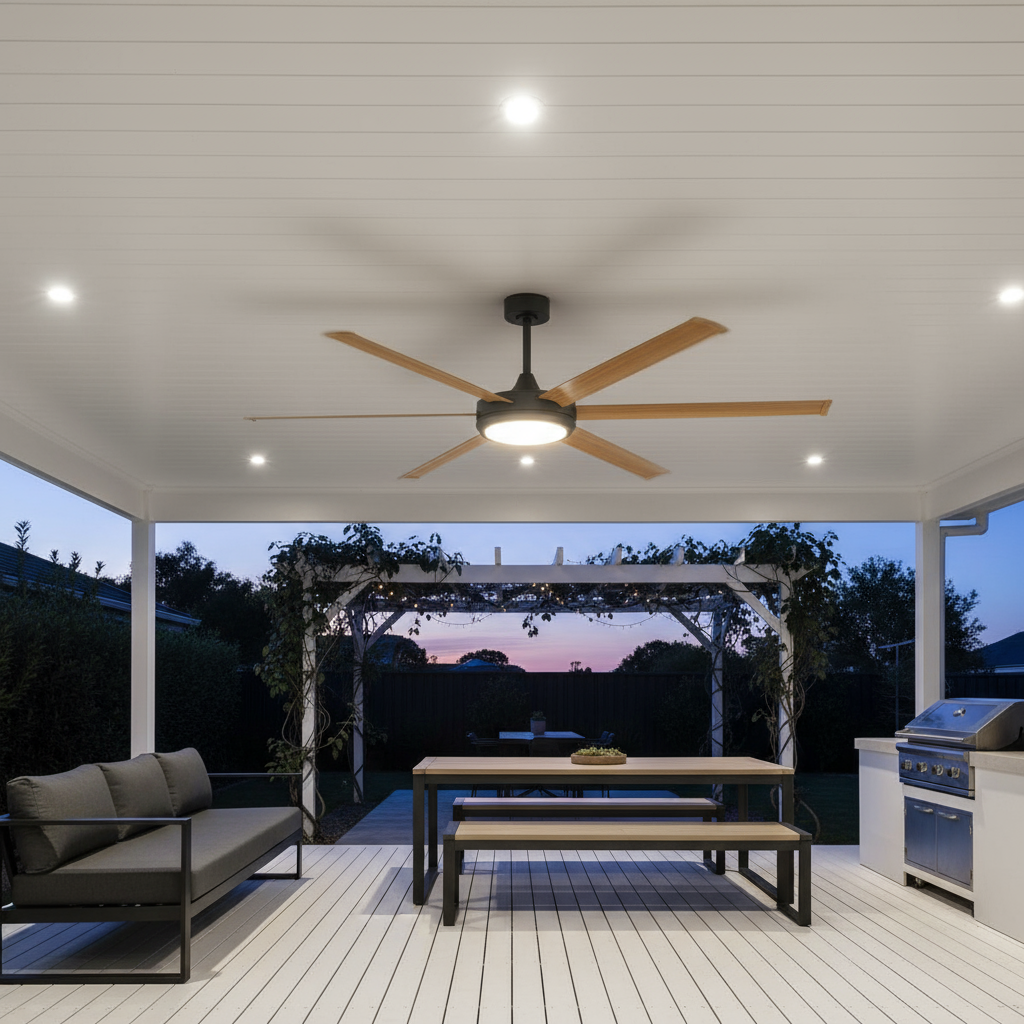
5. Outdoor and Coastal Ceiling Fans
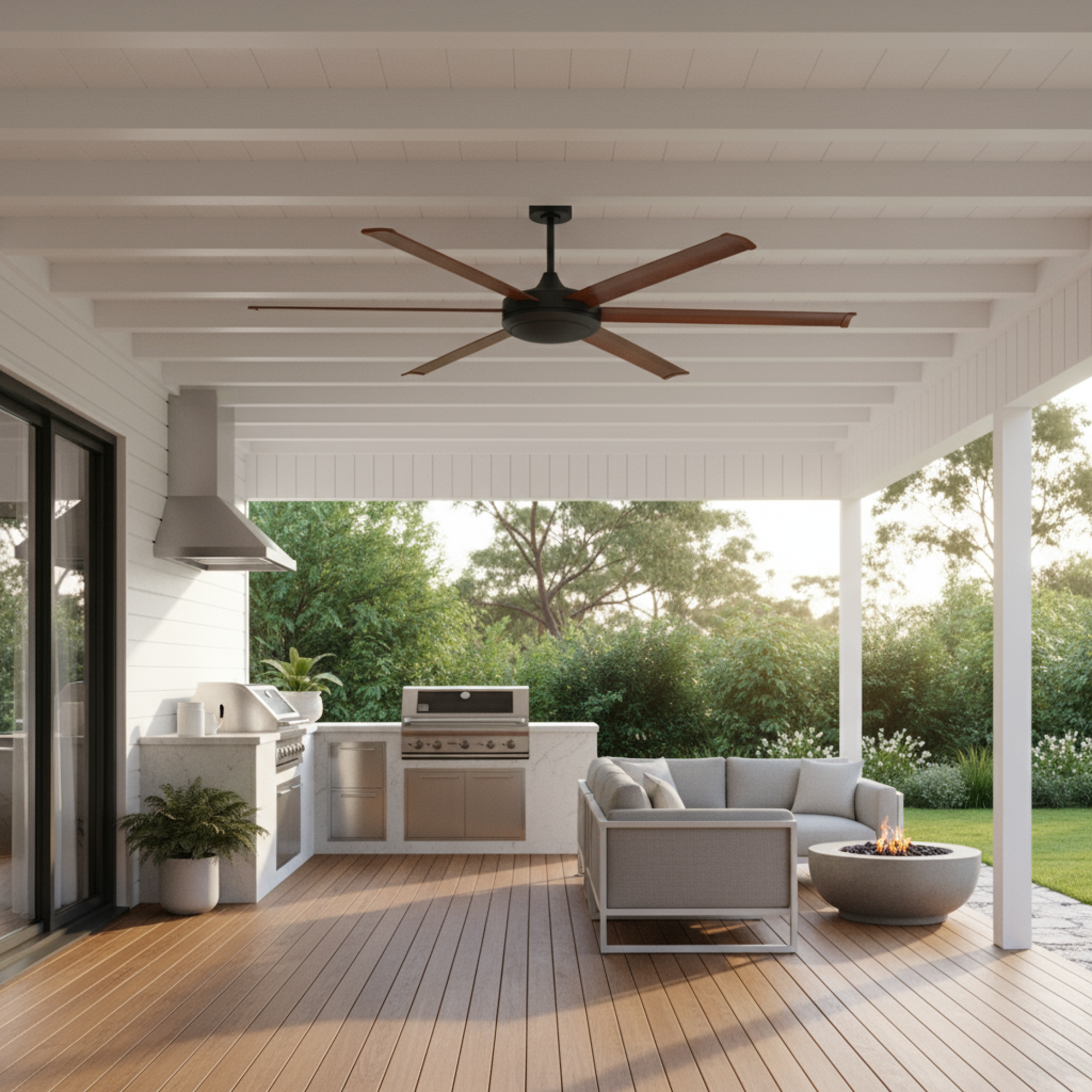
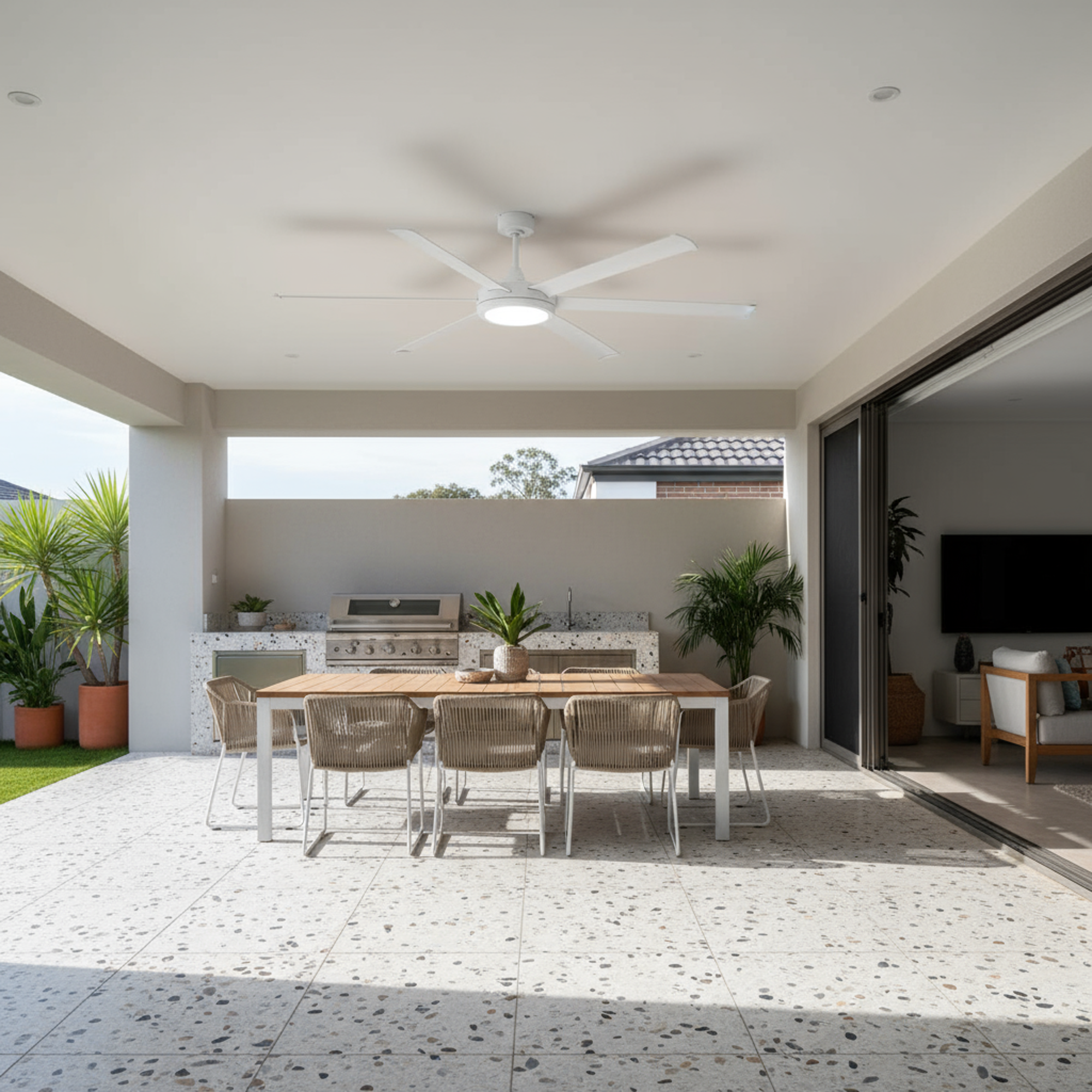
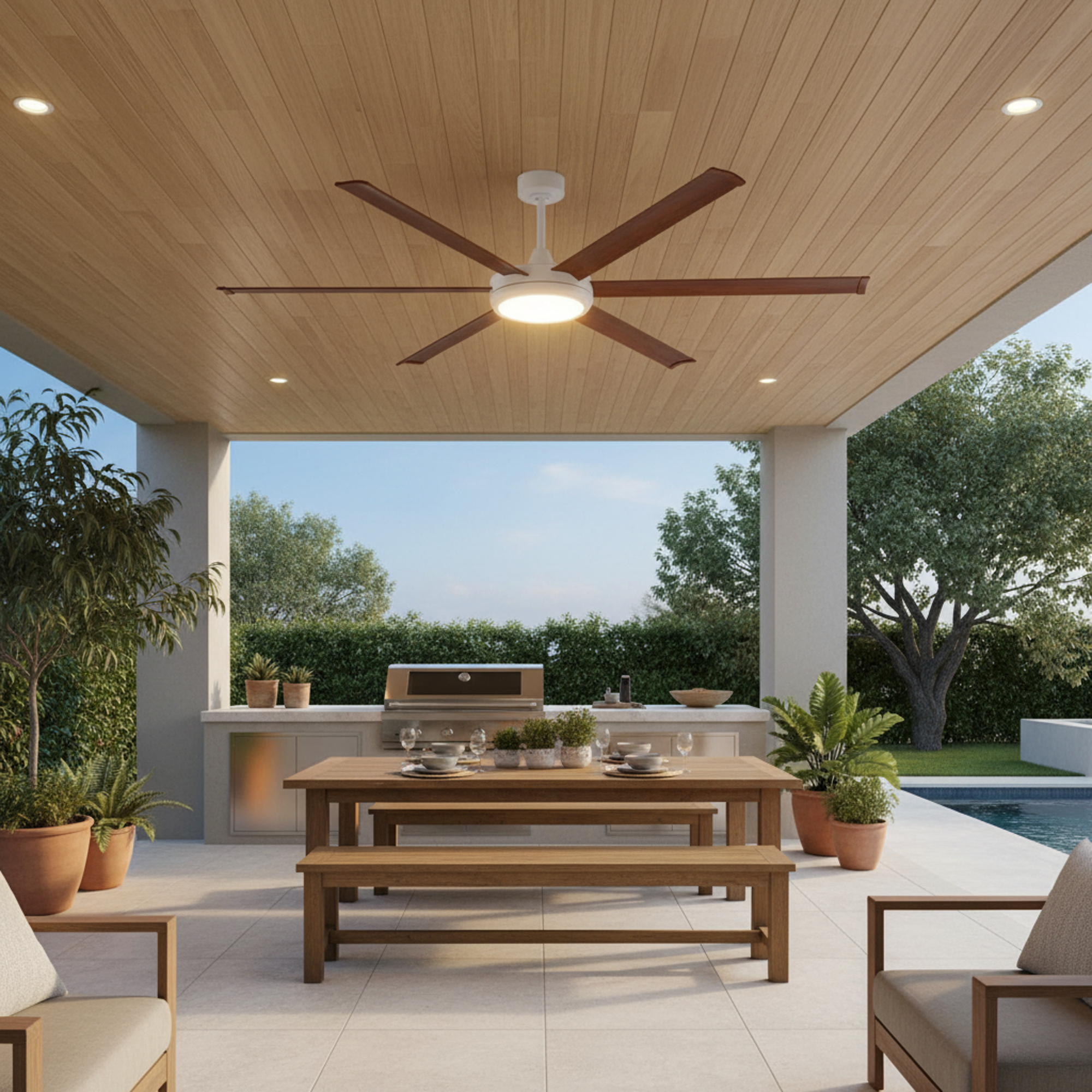
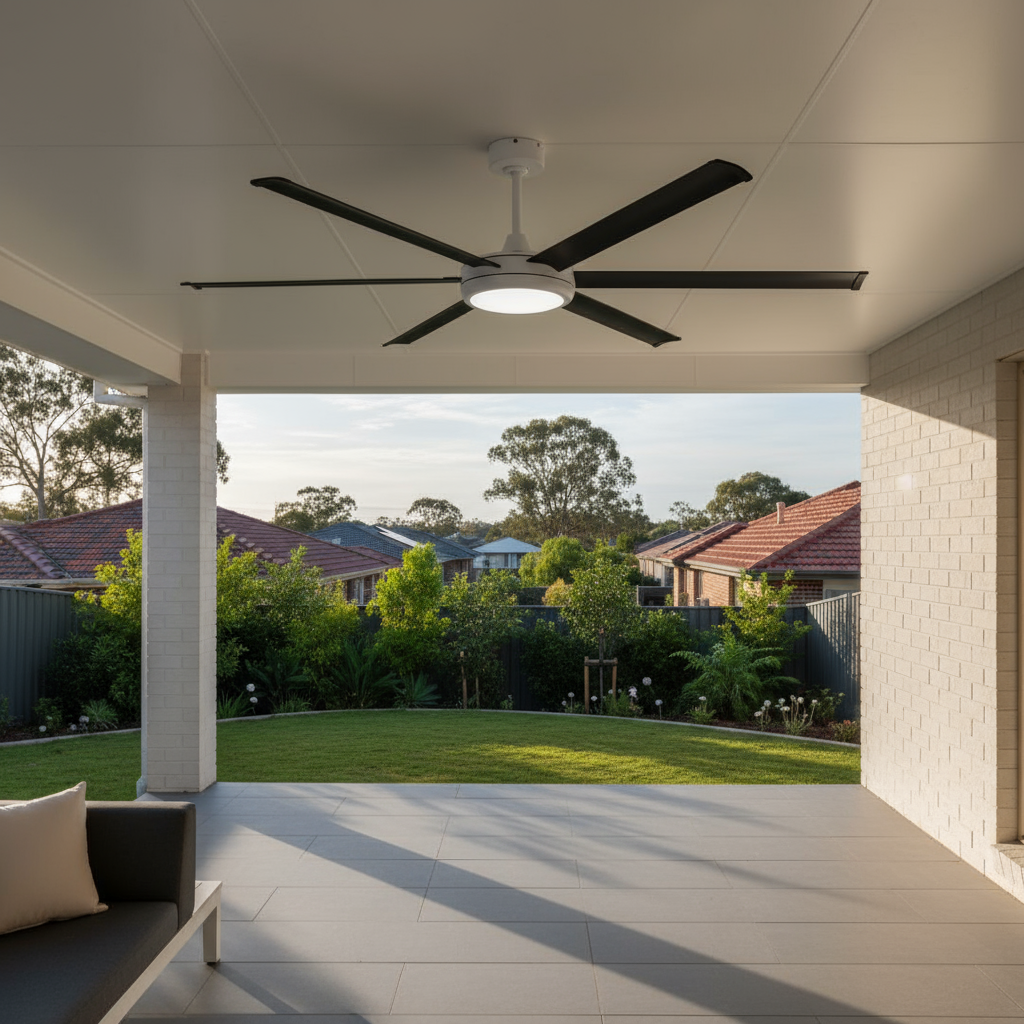
Outdoor ceiling fans are designed to withstand moisture, wind, and salt air, making them ideal for patios, decks, and coastal homes.
Damp-rated fans: Suitable for covered areas not directly exposed to rain
Wet-rated fans: Can be installed in fully exposed areas like pergolas
Coastal fans: Rust- and corrosion-resistant, with sealed motors for salt-air environments
Indoor fans should never be used outdoors as they are not built for moisture exposure
Tip: Look for fans with high IP ratings or damp ratings for reliable outdoor performance.
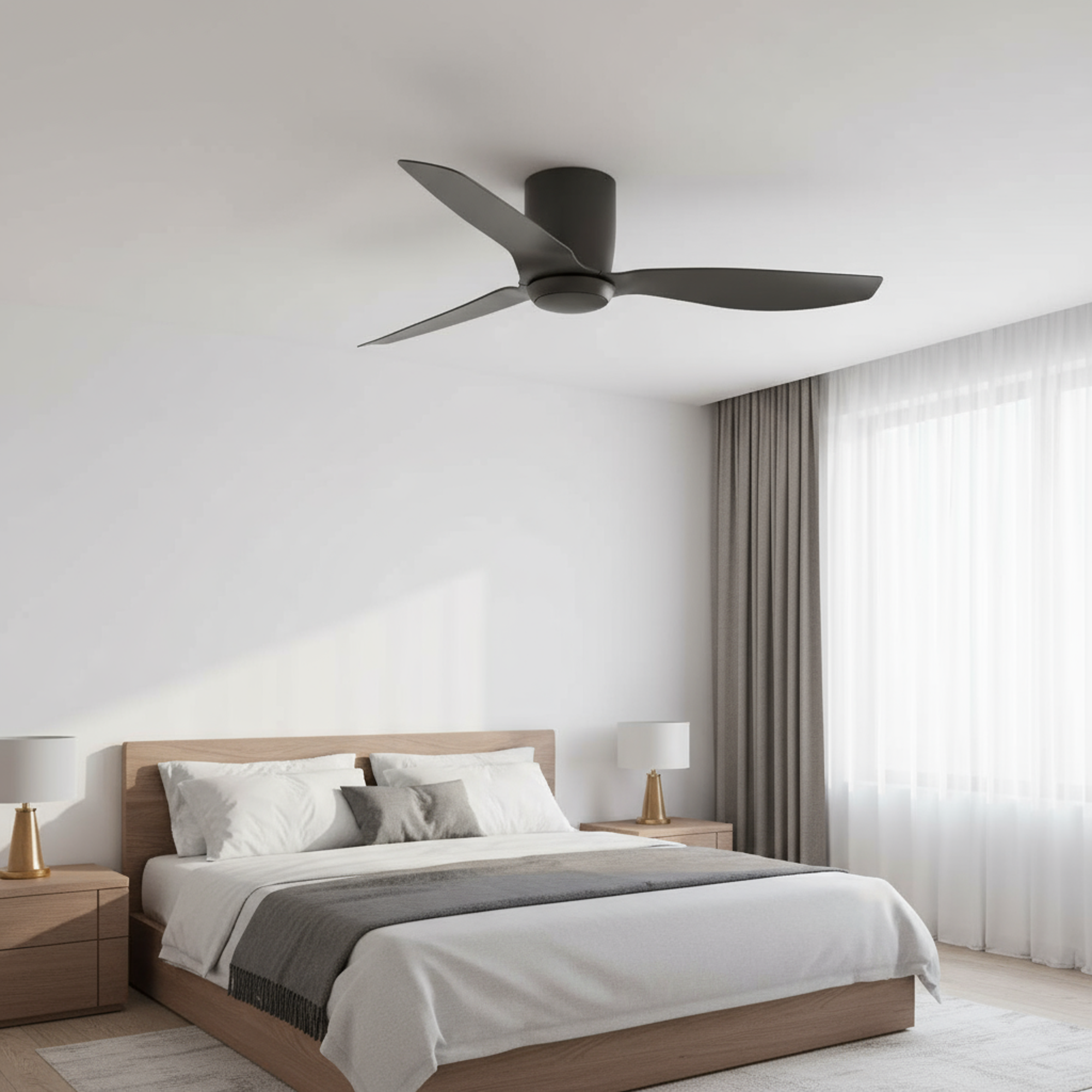
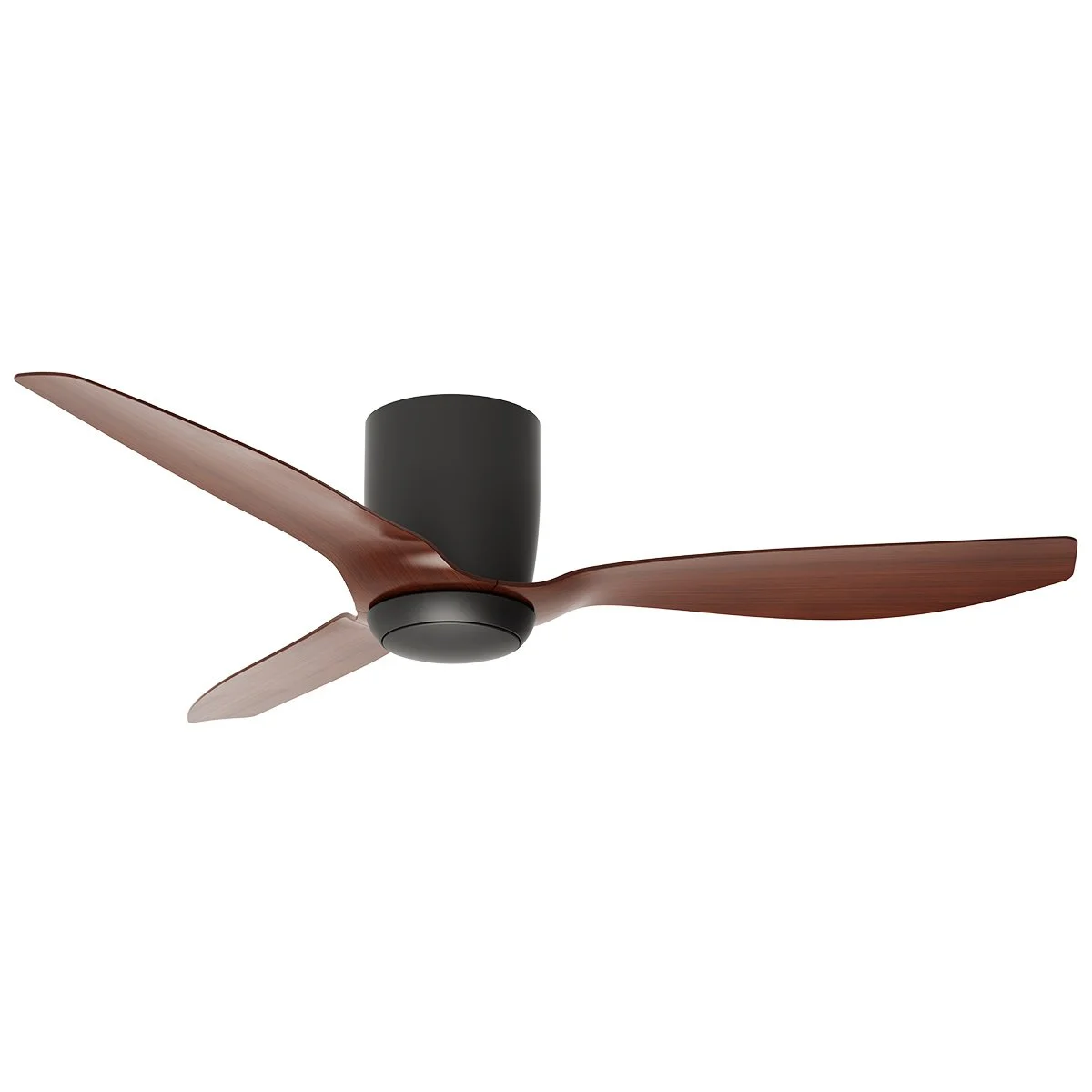
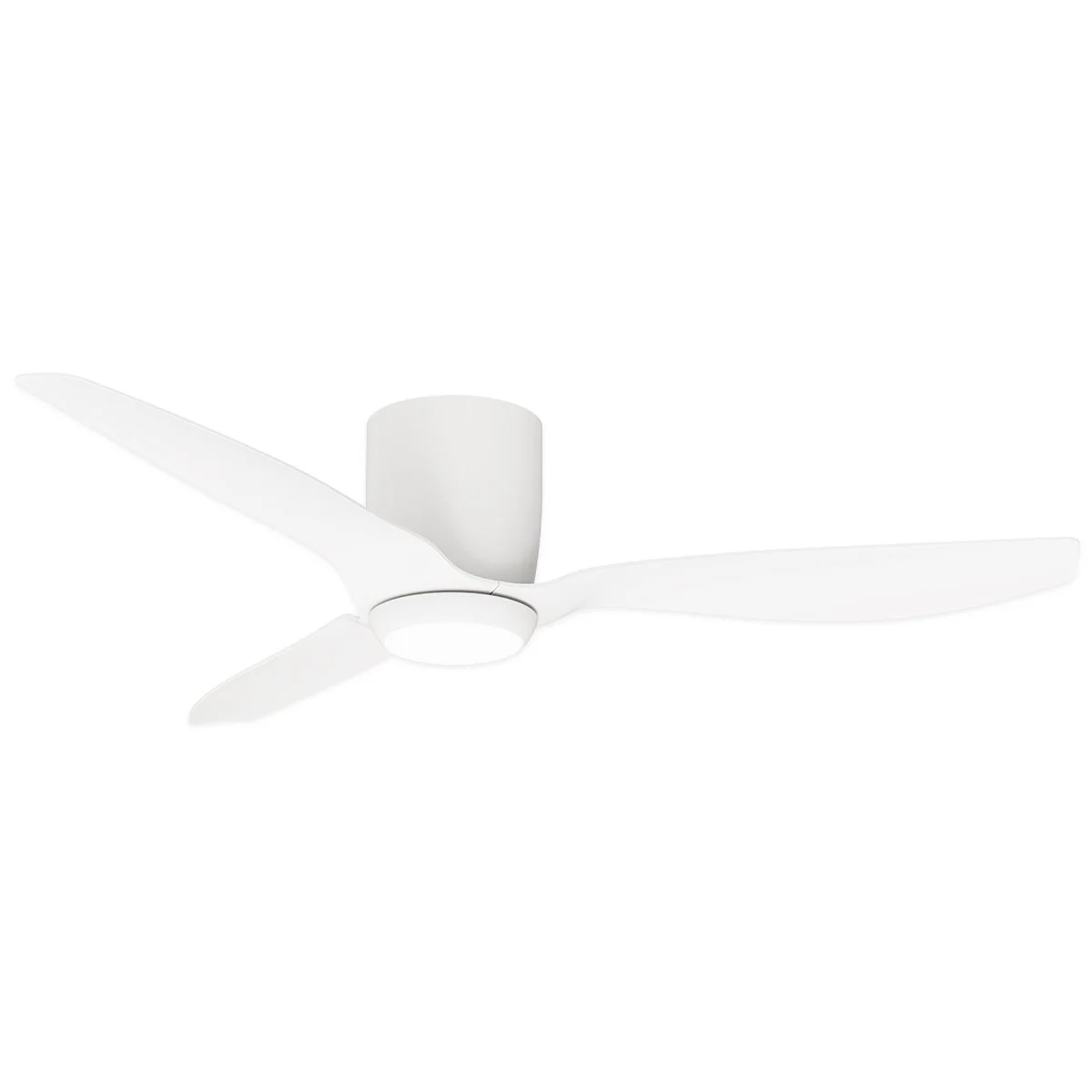
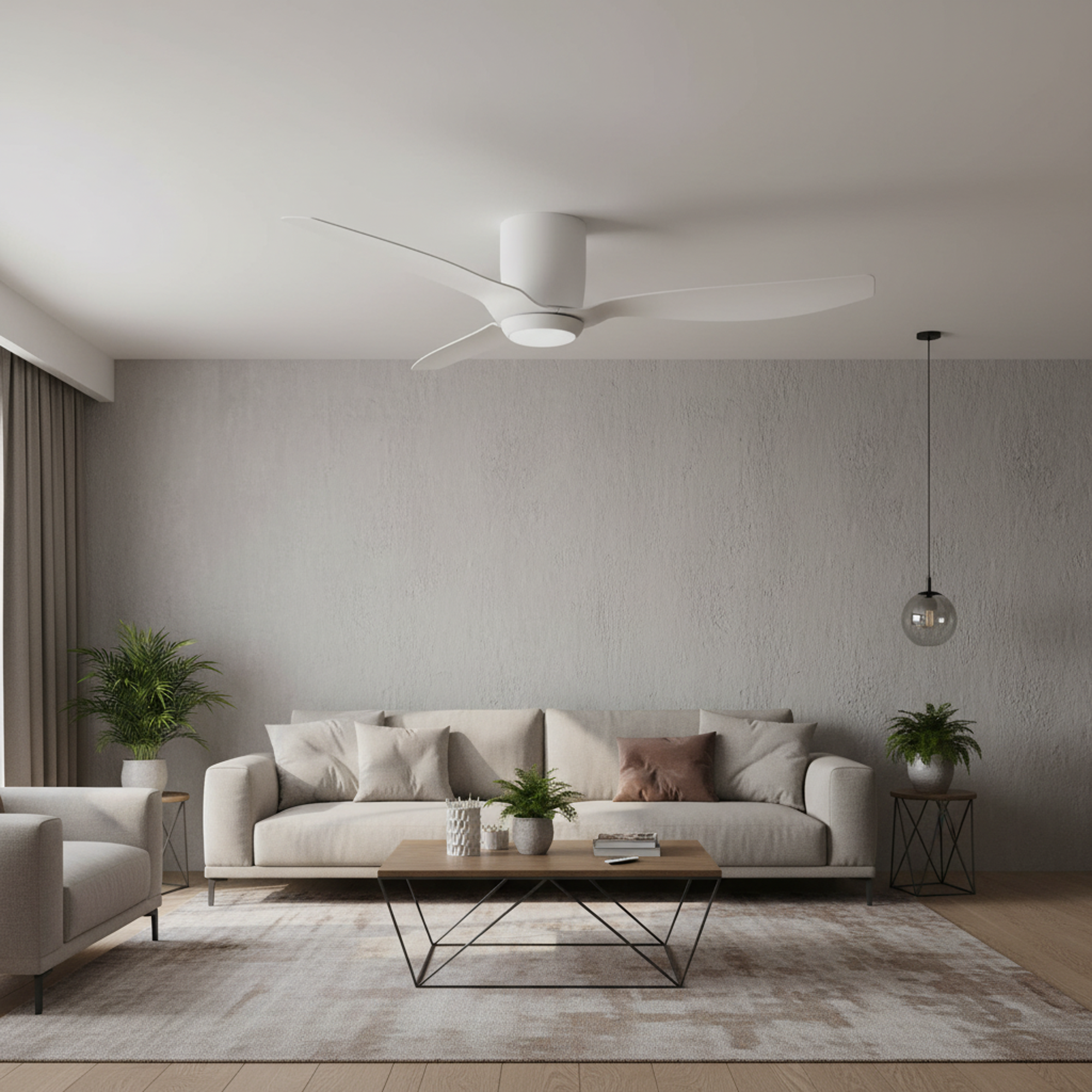
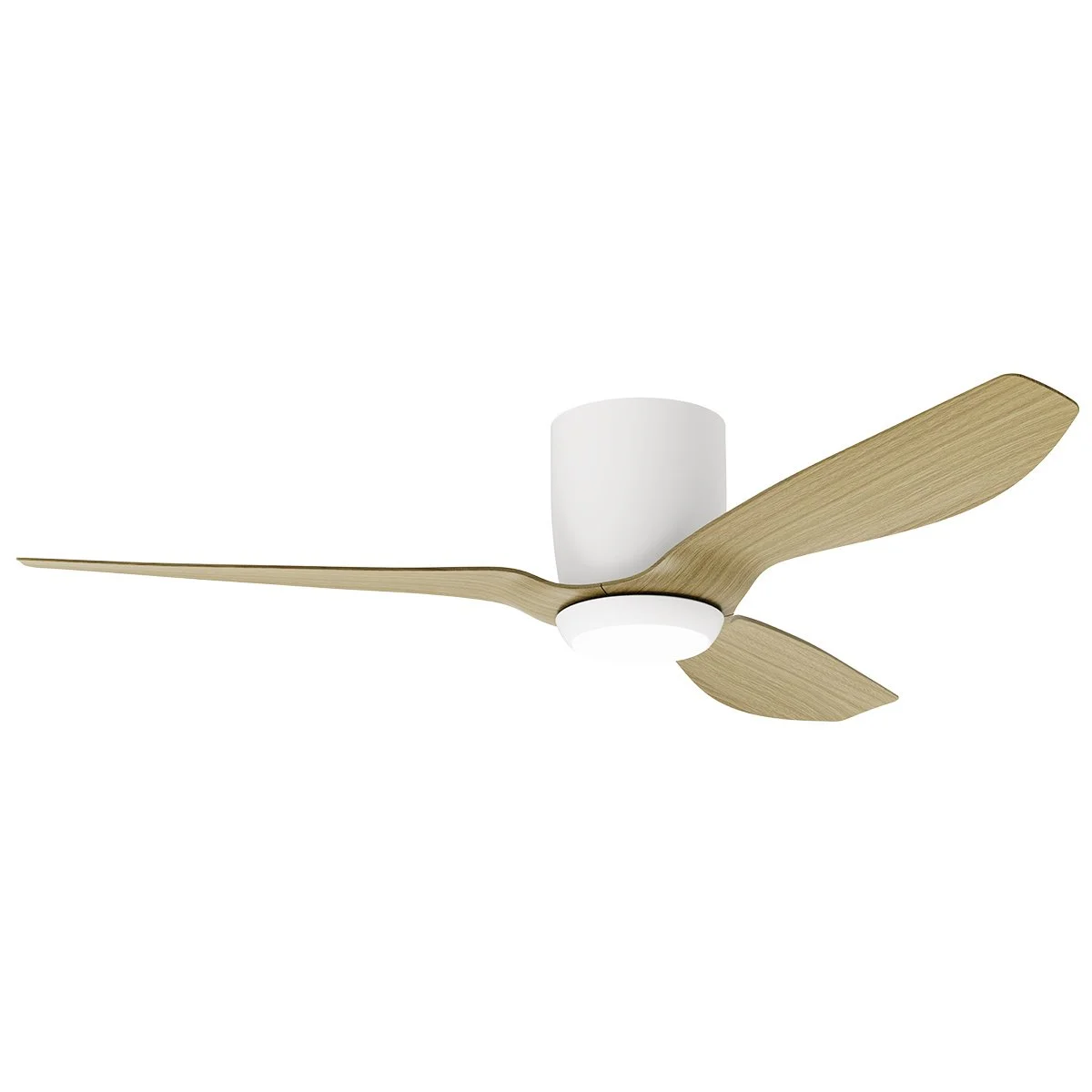
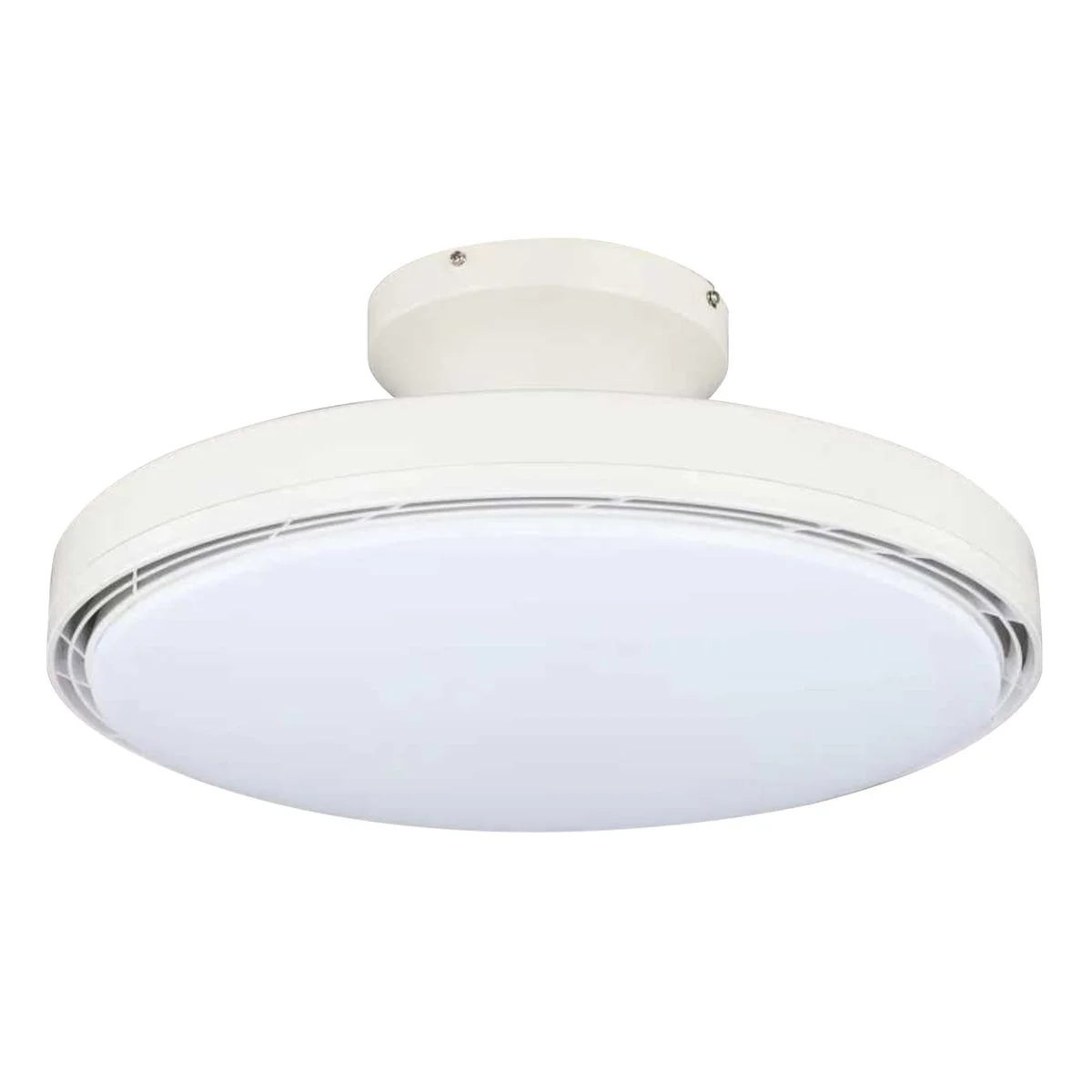
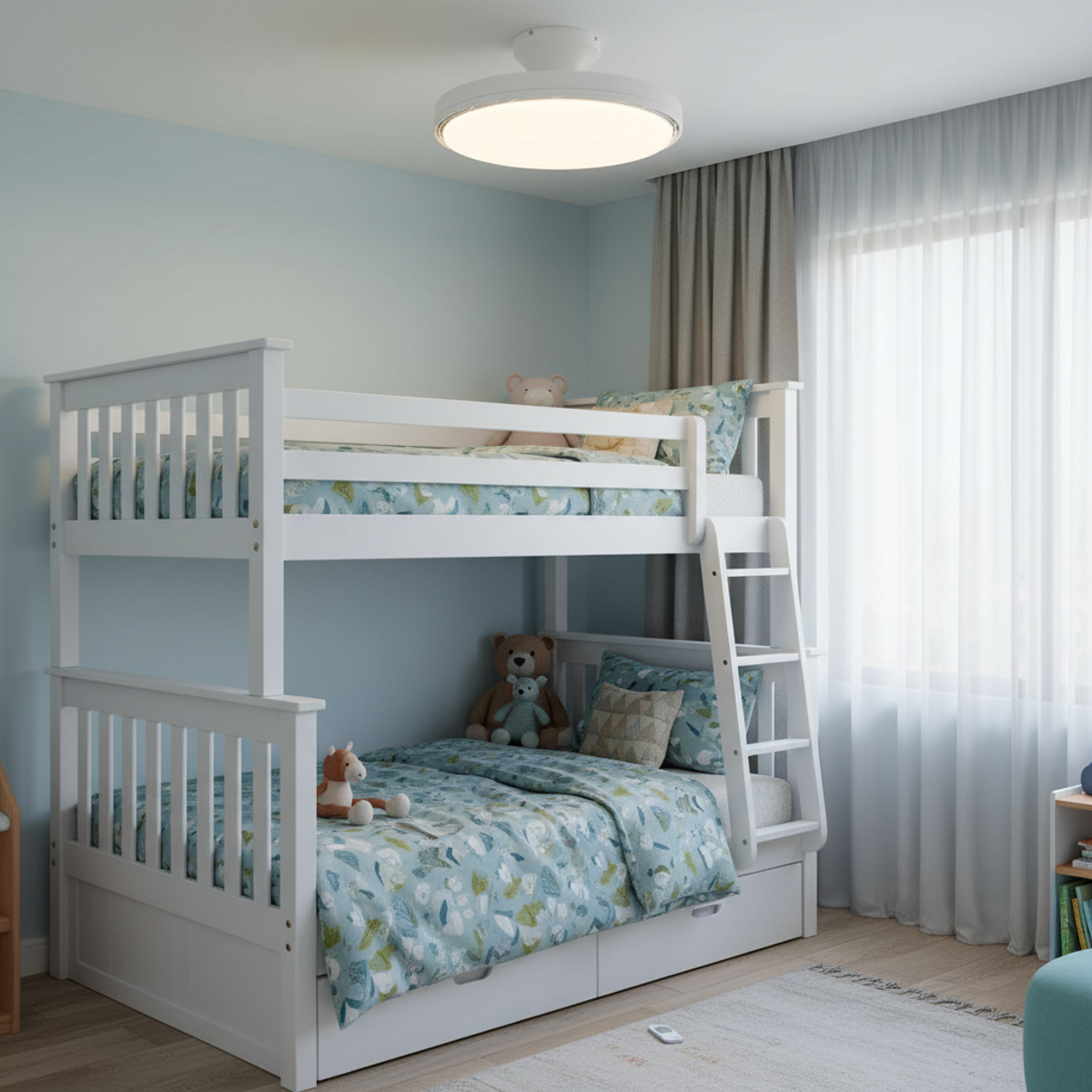
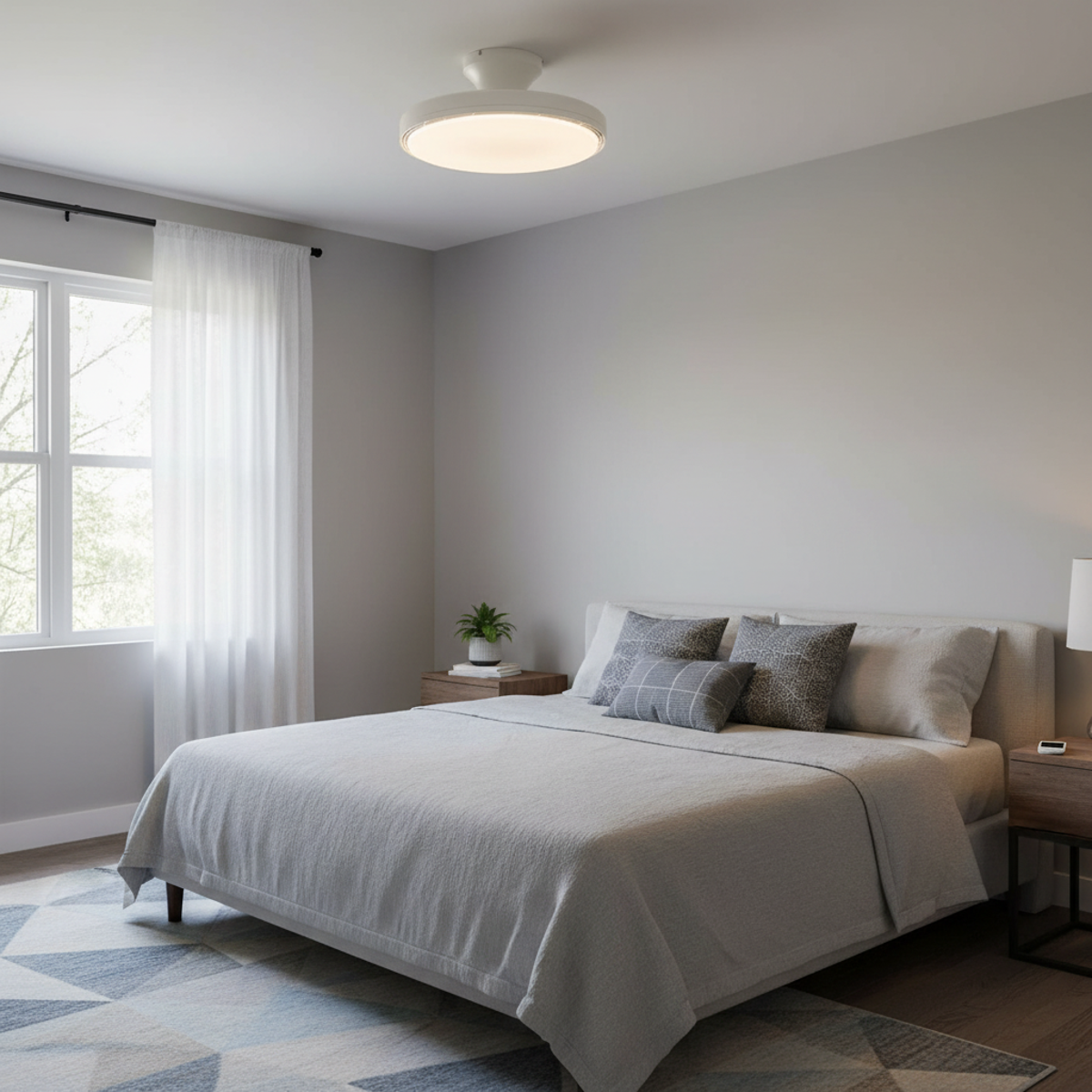
6. Low-Profile (Flush-Mount) Ceiling Fans
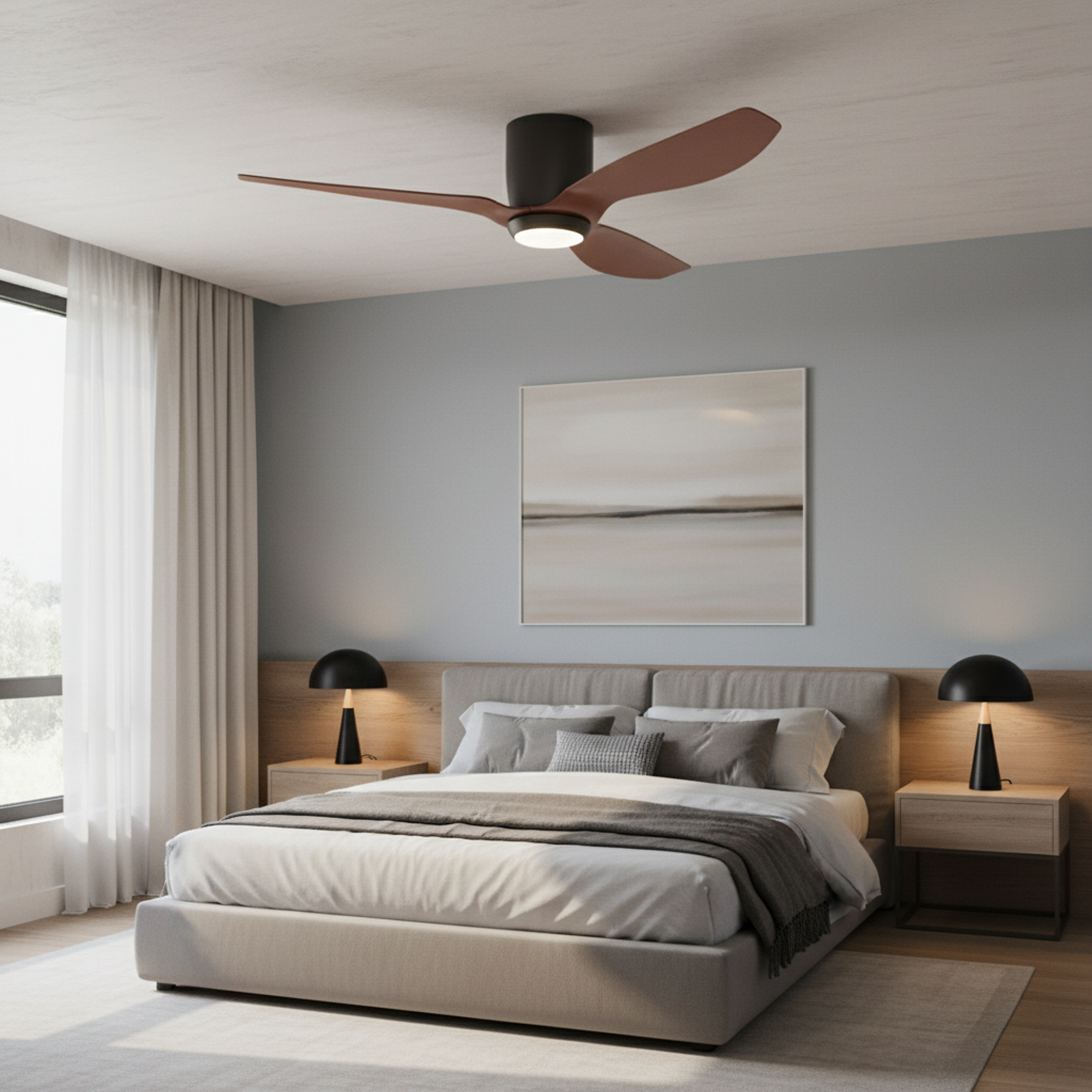
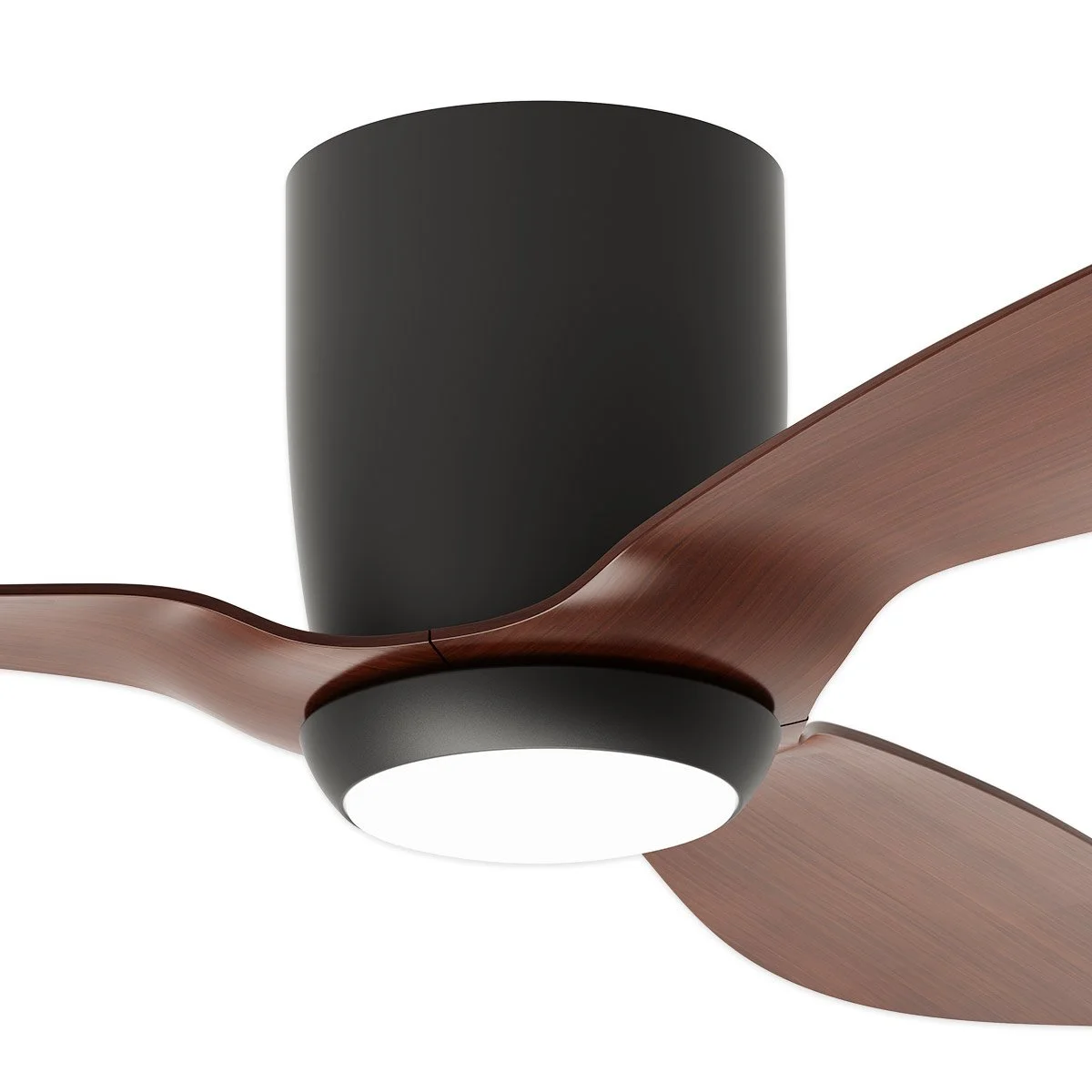
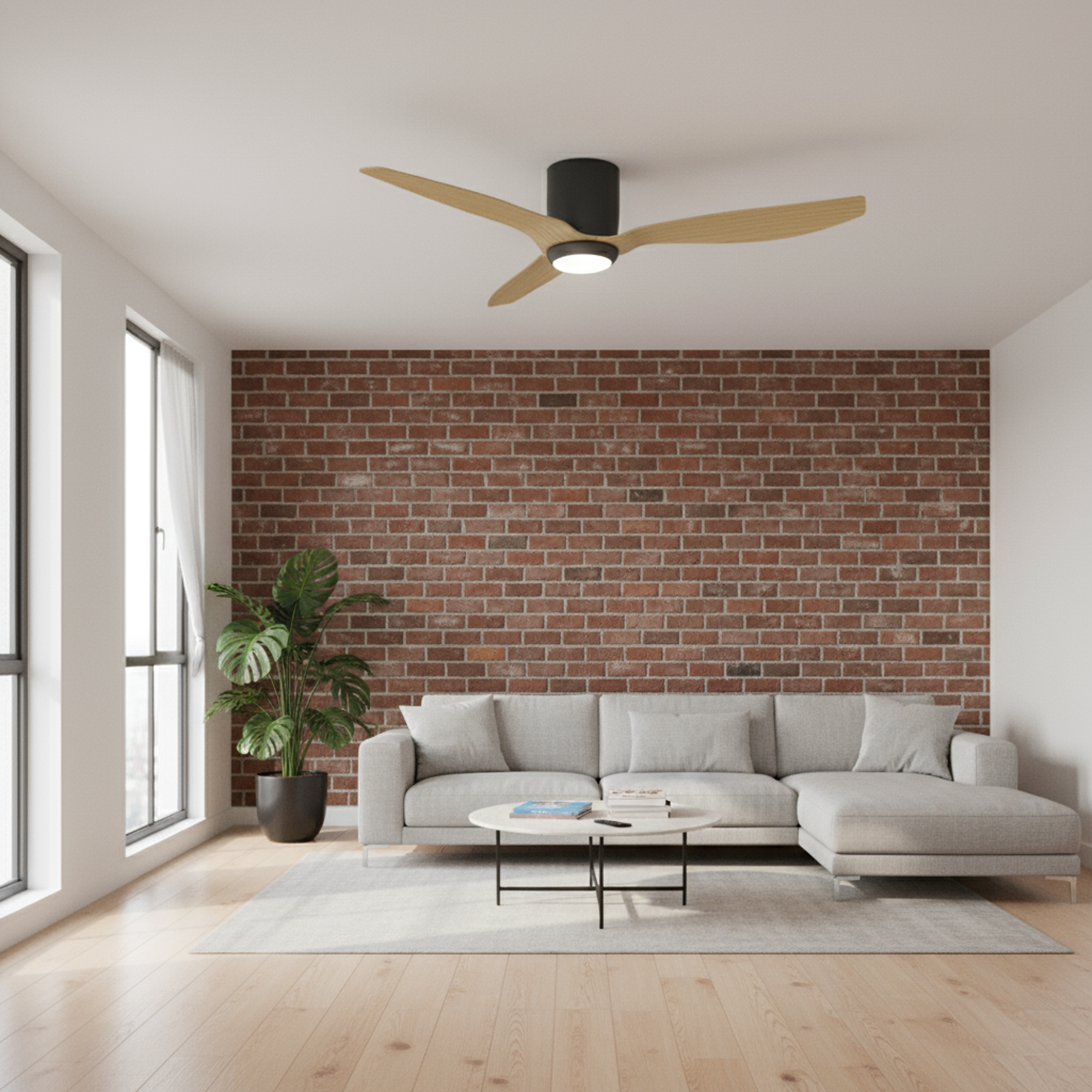
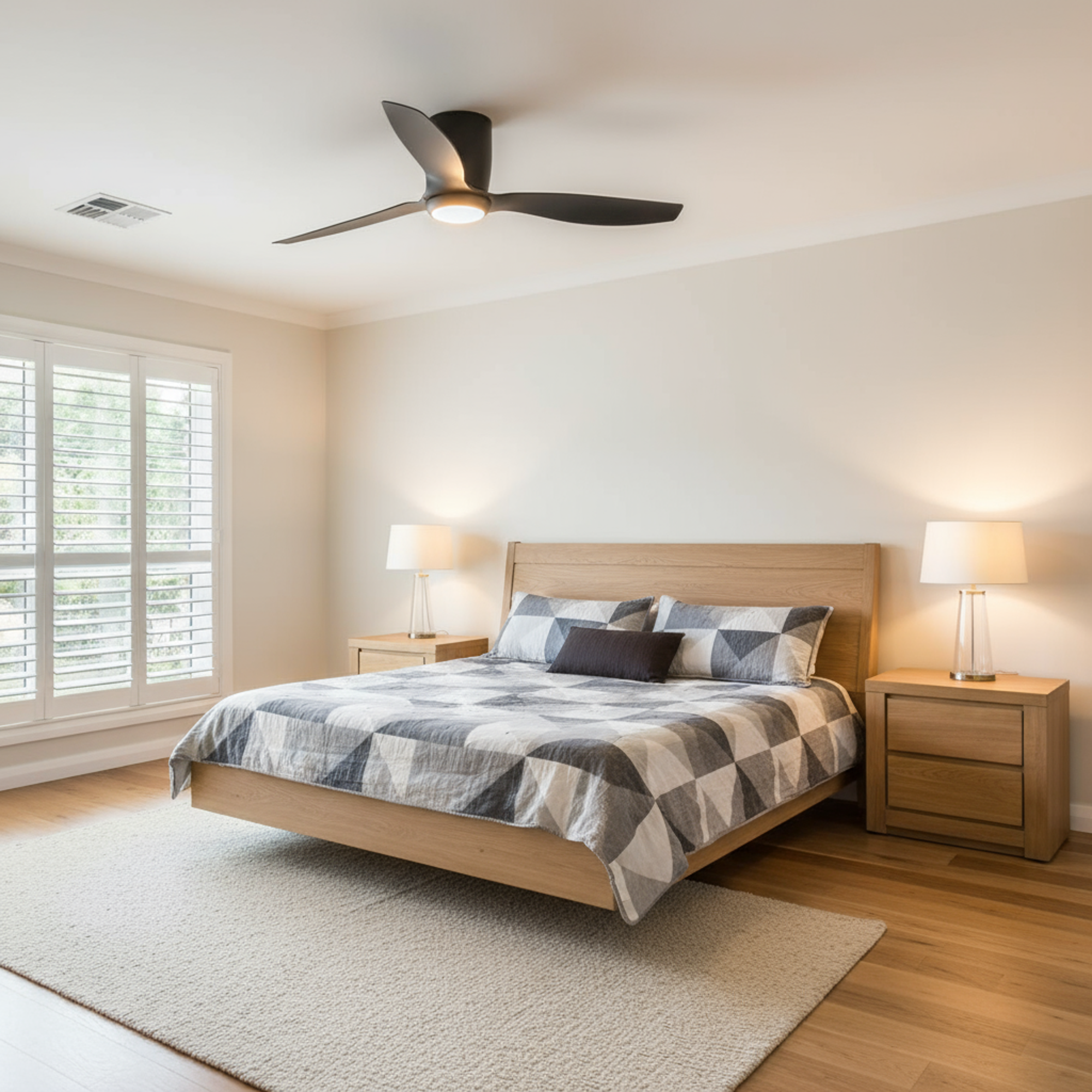
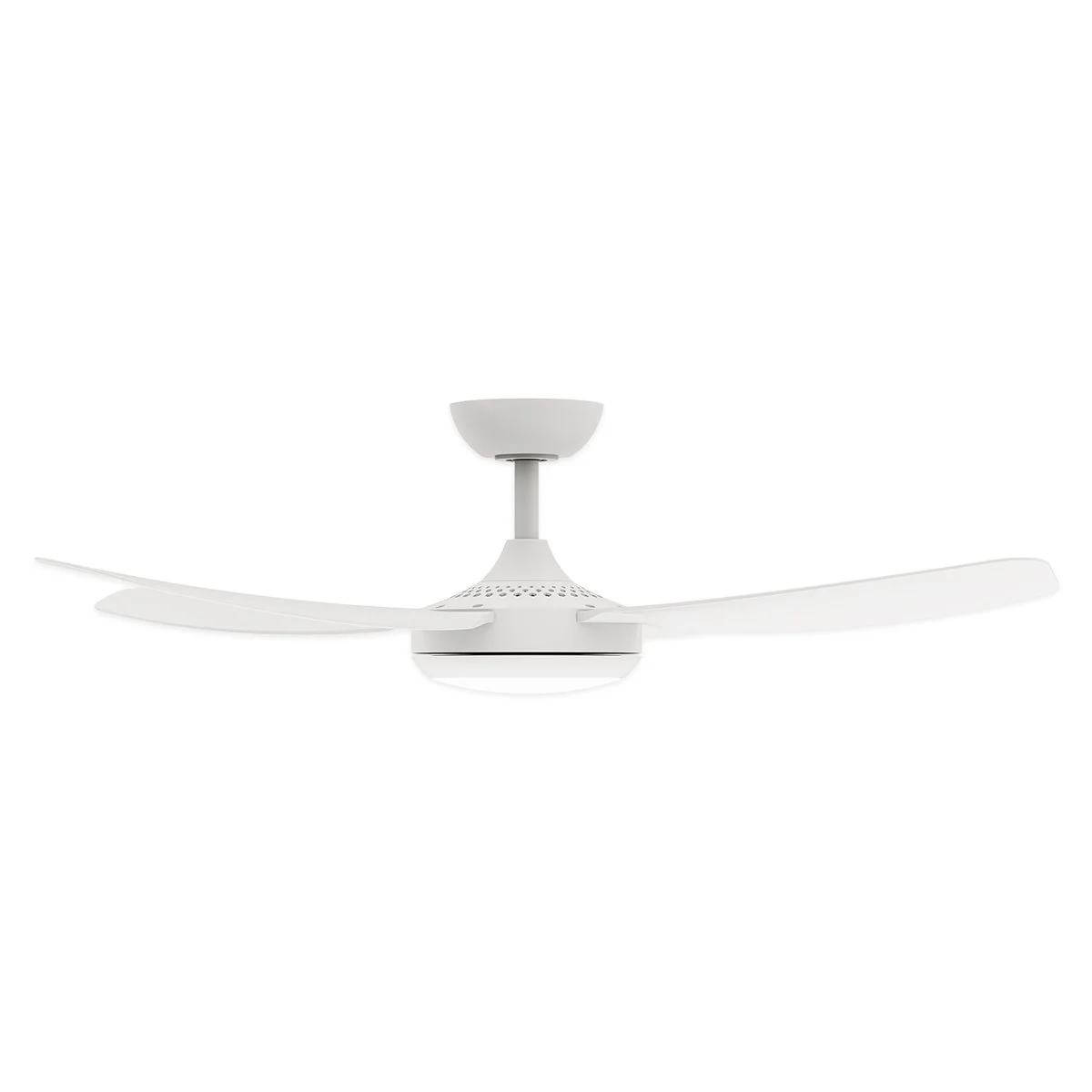
Low-profile ceiling fans, also called hugger fans, are perfect for rooms with ceilings under 2.4 meters.
Sit closer to the ceiling while maintaining efficient airflow
Stylish and versatile, suitable for bedrooms, kitchens, or smaller living spaces
Available in contemporary and traditional designs
7. Smart Ceiling Fans
Smart ceiling fans integrate with Wi-Fi and smart home systems, allowing you to control them via smartphone apps or voice assistants like Amazon Alexa or Google Assistant.
Features:
Adjust fan speed, turn on/off, or schedule operation remotely
Integrate with smart home devices for automated comfort
Some models include sensors that detect room temperature and humidity to optimize airflow
Smart fans are ideal for modern Australian homes where convenience and home automation are priorities.
-
Selecting the right ceiling fan in Australia requires careful consideration of room size, ceiling height, motor type, and design. The best ceiling fans provide efficient airflow, energy savings, and complement your home décor. Here’s what to look for when choosing the perfect fan for your bedrooms, living rooms, or outdoor spaces.
1. Room Size
The size of your room determines the ideal fan blade span:
Small rooms (<7m²): 36–49 inch ceiling fans are perfect for bedrooms or compact living areas.
Medium rooms (7–20m²): 50–52 inch fans provide balanced airflow.
Large rooms (>20m²): 52 inches or more ensures proper circulation in open-plan living spaces.
Choosing the right size helps maximise cooling efficiency and ensures comfort year-round.
2. Ceiling Height
Ceiling height affects fan installation and airflow:
Low ceilings: Flush-mount or hugger ceiling fans maintain safe clearance.
High ceilings: Standard fans with downrods or extension rods optimize air circulation.
Proper installation is particularly important for large DC ceiling fans in open spaces, ensuring both safety and effective airflow.
3. Motor Quality
The motor is the heart of your ceiling fan:
DC motors: Quieter, more energy-efficient, and deliver stronger airflow.
AC motors: Reliable and traditional, often more budget-friendly.
High-quality motors are essential for bedrooms, lounges, and energy-conscious Australian homes.
4. Blade Pitch
Blade pitch—the angle of the fan blades—affects airflow:
Steeper blade angles produce stronger airflow, keeping rooms cooler in Australia’s warm climate.
Optimal pitch ensures the fan circulates air efficiently without using excessive energy.
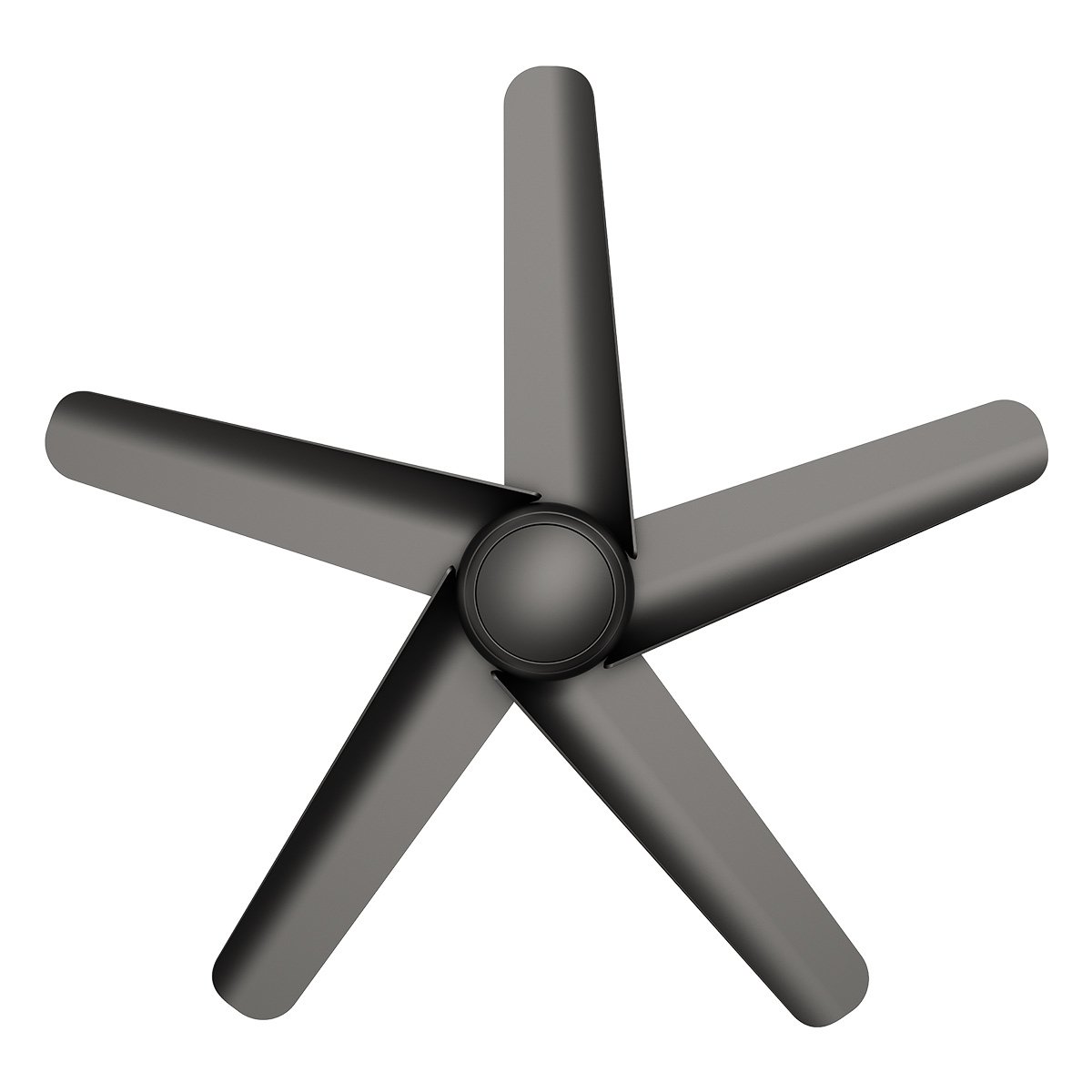
5. Number of Blades
Ceiling fans usually have 3–6 blades:
More blades can enhance aesthetics but don’t necessarily improve airflow.
Many of the best ceiling fans in Australia feature 3–4 blades for maximum efficiency.
6. Blade Material
The material of your fan blades impacts both performance and style:
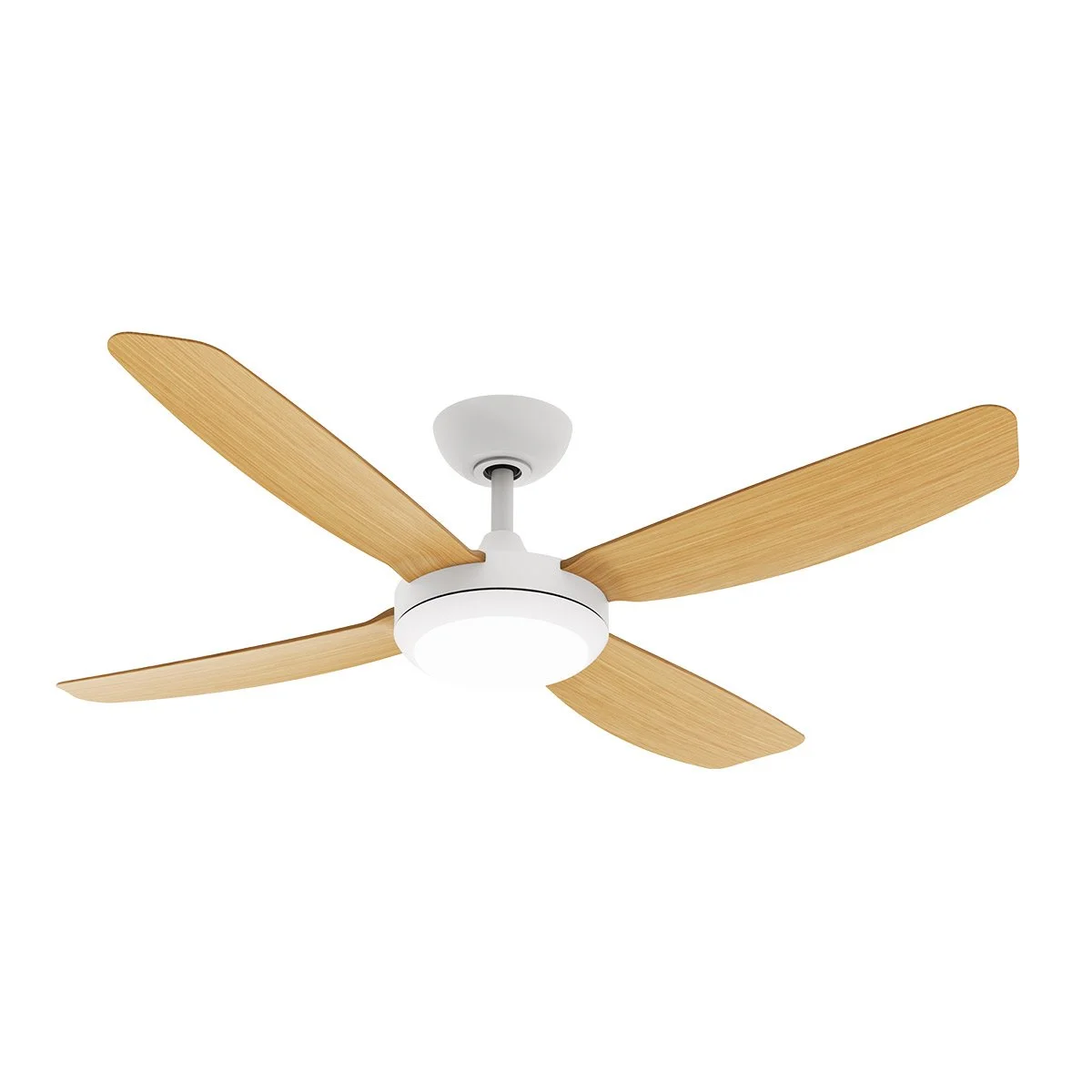
Options include timber, metal, ABS plastic, MDF, and bamboo.
For outdoor or coastal fans, ABS and metal blades are preferred for durability and moisture resistance.
7. IP Rating (Outdoor Fans)
For outdoor or damp locations, check the fan’s IP rating:
Ensures resistance to moisture, humidity, and dust.
Essential for patios, alfresco areas, and coastal climates.
8. Style & Design
From modern minimalist to coastal or industrial, ceiling fans should complement your décor:
Choose a fan that enhances your room’s style.
Designer options provide both functionality and visual appeal.
9. Energy Efficiency
Energy-efficient fans help reduce electricity costs:
Look for fans with high Energy Efficiency Ratings or DC motors.
Particularly important for summer cooling in Australian homes.
10. Noise Level
For bedrooms, nurseries, and studies, opt for quiet ceiling fans:
Smooth, balanced blades and silent DC motors reduce noise.
Ensures uninterrupted sleep and a peaceful environment.
11. Remote Control & Smart Features
Modern ceiling fans often include:
Remote control operation for convenience, especially in high or hard-to-reach areas.
Wi-Fi-enabled smart fans for smartphone or voice control using Amazon Alexa or Google Assistant.
12. Light Kit Compatibility
For rooms needing both lighting and cooling:
Ceiling fans with LED light kits provide energy-efficient illumination.
Creates a clean, integrated look for living spaces, bedrooms, or kitchens.
13. Price & Budget
Ceiling fans range from budget-friendly models to high-end designer fans:
Choose a fan that balances cost, performance, and style.
Consider long-term savings from energy-efficient motors when selecting a fan.
Key Takeaway:
When choosing ceiling fans in Australia, consider room size, ceiling height, motor type, blade design, and additional features like lighting, remote control, or smart functionality. Selecting the right fan ensures year-round comfort, energy savings, and a stylish addition to your home. -
Proper placement is crucial when installing ceiling fans in Australia. Room layout, windows, doors, and primary living areas all affect the fan’s airflow efficiency.
Center of the room: Ideally, install your fan in the room’s center for even air circulation.
Equidistant from walls: If center placement isn’t possible, position the fan evenly between walls.
Above living areas: For large open-plan spaces, placing the fan above seating or dining areas ensures maximum cooling.
Correct installation improves performance, making your ceiling fan ideal for bedrooms, living rooms, and home offices.
-
DC Motor Ceiling Fans
Ultra-quiet operation for bedrooms and study rooms.
Up to 70% more energy-efficient than AC fans, reducing electricity bills.
Responsive remote control with multiple speed settings and reverse function.
Sleek, modern designs thanks to compact, lightweight motors.
AC Motor Ceiling Fans
More budget-friendly, suitable for any home in Australia.
Flexible control options: wall switch, pull cord, or remote.
Still energy-efficient compared to most household appliances.
Tip: If energy efficiency, quiet operation, and modern design matter most, choose a DC fan. If budget is the priority, AC ceiling fans remain a reliable option.
-
A low-profile ceiling fan (hugger or flush-mount fan) sits closer to the ceiling, ideal for rooms with low ceilings. These fans reduce the gap between blades and ceiling, meeting Australian building regulations for floor clearance.
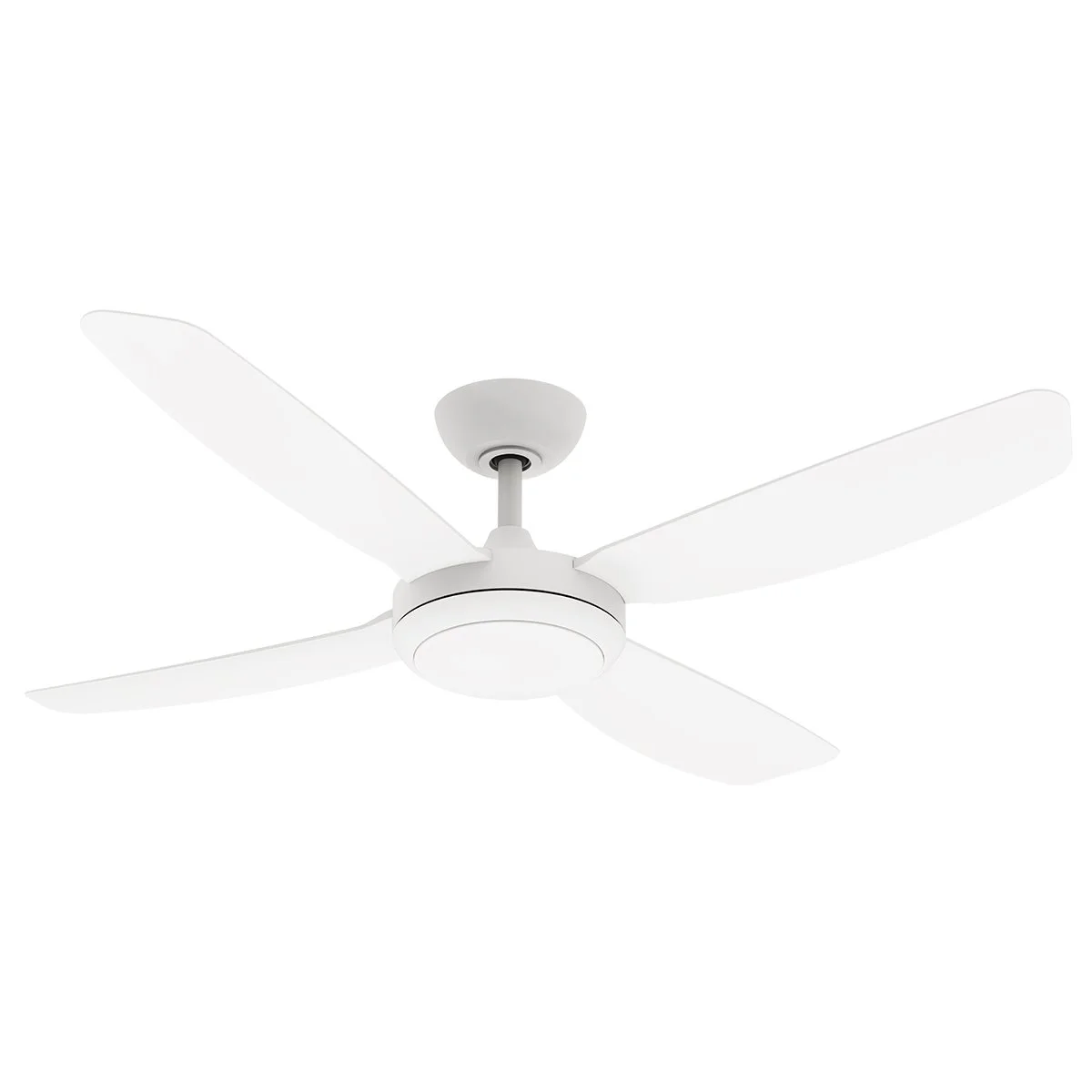
Standard ceiling fans need more vertical space, making them suitable for high-ceiling rooms.
Low-profile fans are perfect for bedrooms, kitchens, and small living areas where space is limited.
Choosing the right fan ensures efficient airflow and safe installation throughout your home.
-
High ceilings (2.4 meters and above) require careful planning for optimal fan performance:
2.4m ceiling: Low-profile or standard fan without a downrod works well.
2.7m ceiling: Standard fan without extension rod is usually sufficient.
3m+ ceiling: Use a standard fan with a cut-to-size extension rod.
Extension rods help position ceiling fans for high ceilings at the perfect height, maximizing air circulation while meeting safety standards in Australia.
-
For the best ceiling fan performance in Australian homes:
Maintain a minimum of 2.1 meters from the floor to the fan blades.
Leave at least 300mm clearance from the ceiling.
Adjust fan height to balance year-round comfort:
Lower blade height: Optimal for summer cooling.
Higher blade height: Better for winter air circulation.
-
Dust buildup can reduce efficiency and air quality. Here’s how to clean ceiling fans Australia efficiently:
Pillow Method
Lay down a drop cloth and position a step stool.
Slide a pillowcase over each blade, trapping dust as you go.
Wipe the motor housing with a microfiber cloth.
Shake out or wash the pillowcase.
Duster Method
Protect floors with a sheet or tarp.
Use an extendable microfiber duster, or a ceiling fan-specific duster, for both sides of each blade.
Dust the motor housing and light fixtures carefully.
Regular cleaning ensures efficient airflow, quieter operation, and healthier indoor air.